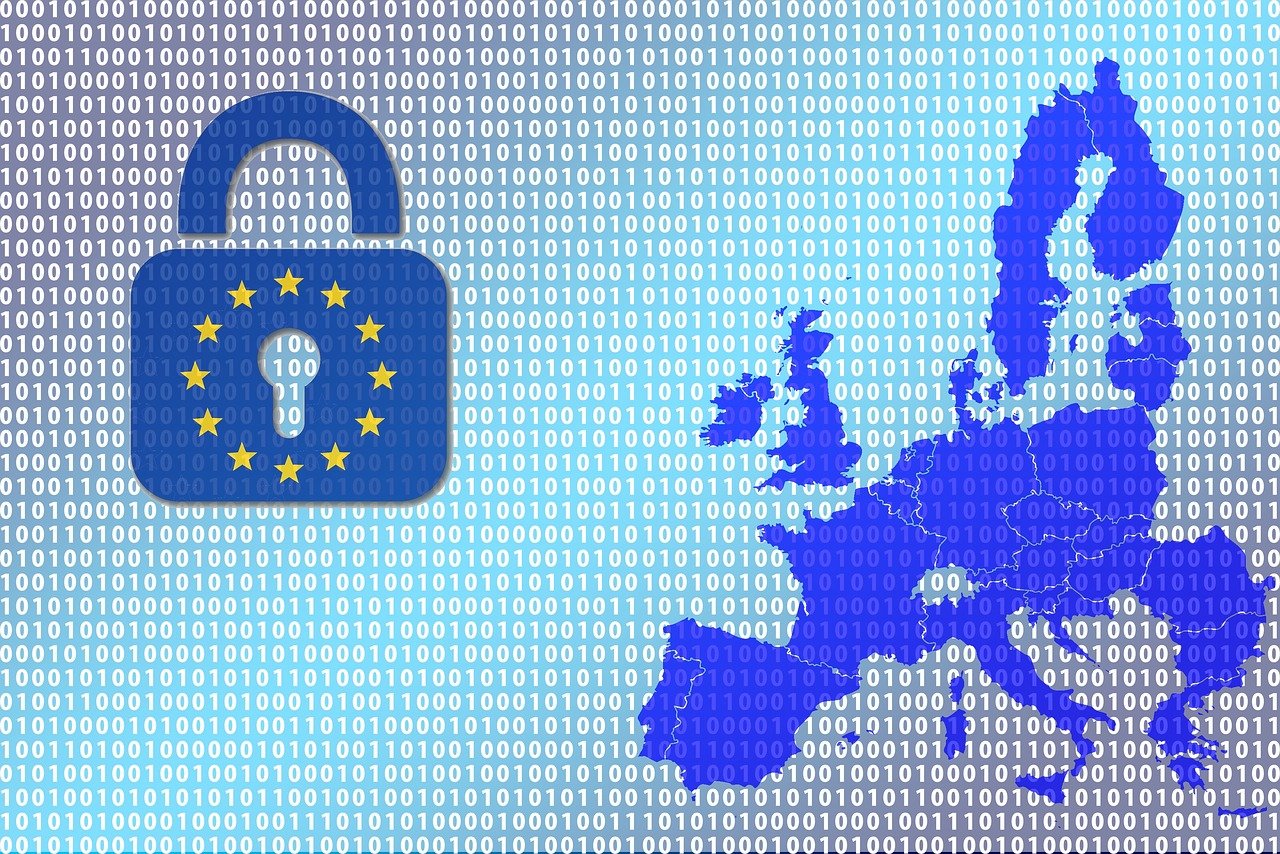

Data Privacy Considerations in Digital Payment Regulations
In recent years, digital payments have transformed the financial landscape, offering unparalleled convenience and speed. However, this transformation brings critical data privacy concerns that regulators must address. With numerous transactions occurring every second, personal information is frequently exchanged between parties. Effective regulation of digital currencies must consider both consumer protection and facilitating innovation. Moreover, compliance with existing data protection laws, such as the General Data Protection Regulation (GDPR), is essential. These laws ensure that consumers have control over their personal data, including how it is collected, stored, and processed. Hence, creating regulations can involve substantial complexity. The integration of privacy requirements into digital payment frameworks should aim to prevent unauthorized data access, leaks, and breaches. Additionally, there is a concern over the usage of biometric data, which is increasingly popular in payment systems. Thankfully, technology offers encryption techniques that can safeguard consumer data. Implementing anonymization and pseudonymization methods can also significantly enhance privacy and security. Regulators should ensure a balance between enabling technological advances and protecting the rights of consumers. Consequently, stakeholder engagement and transparency will be vital during regulation development.
Data privacy is an essential aspect of regulatory frameworks for digital currencies. As digital wallets and online platforms evolve, they collect vast amounts of user data. Consequently, regulatory bodies are tasked with developing comprehensive privacy policies that protect consumers while allowing businesses to innovate. It is imperative that these regulations specify how data should be stored, processed, and shared among partners and third parties. Moreover, guidelines should include provisions regarding information security measures to prevent data breaches that can jeopardize sensitive customer information. Regular audits and assessments can help to uphold these standards. Another significant challenge involves cross-border transactions, where regulations can vary significantly between jurisdictions. Harmonizing data privacy standards across countries is crucial for creating a seamless digital payment experience and ensuring global interoperability. Privacy-by-design should be a fundamental principle embedded at every stage of developing digital payment systems. By considering privacy implications from the onset of the design process, businesses can build trust with consumers. Ultimately, collaboration between financial institutions, regulators, and technology providers will foster a secure and dependable digital currency ecosystem, prioritizing data privacy without stifling growth.
Consumer Trust and Data Privacy
Consumer trust is paramount in the digital payment arena, highlighting the importance of robust data privacy regulations. Customers expect that the platforms they engage with will adequately protect their data from unauthorized access and exploitation. Ensuring that users feel secure when making digital transactions involves transparent handling of personal information. Regulators must enforce accountability measures, such as penalties for data breaches or failures to comply with privacy regulations. Businesses must prioritize consumer education, ensuring that users understand their rights regarding privacy and the measures taken by companies to protect their data. Additionally, companies should implement comprehensive privacy policies, guiding users on how their information is utilized. Encouraging user feedback regarding privacy practices can also enable organizations to identify areas for improvement. Building a culture of privacy helps to foster long-term relationships between businesses and consumers, which can lead to increased loyalty. Furthermore, as digital currencies gain popularity, it will become even more essential for businesses to demonstrate compliance with data protection laws. By committing to uphold user privacy, companies can differentiate themselves in a competitive market and build enduring trust.
As digital currencies evolve, the regulatory landscape surrounding data privacy continues to adapt. In particular, the rise of cryptocurrencies has sparked debates over their inherent anonymity features versus the need for regulatory oversight. Some individuals may exploit this anonymity to engage in illicit activities, prompting concerns over money laundering and fraud. Consequently, regulators must devise strategies to balance consumer protection with essential oversight. Introducing measures to trace transactions while safeguarding user privacy could serve as a possible solution. The use of transparent ledgers may increase accountability without compromising users’ rights. Moreover, industries must explore how smart contracts can integrate privacy-preserving technologies, allowing autonomy in personal data management. In this regard, innovative solutions such as decentralized identities can empower individuals and facilitate self-sovereign identity management. This emerging technology has the potential to transform how users interact with payment platforms by emphasizing privacy while enhancing security. However, continuous dialogue among stakeholders—including regulators, technology companies, and users—is vital to crafting effective regulations. By working collaboratively, the digital payment industry can navigate the complexities of data privacy while providing a secure environment for users.
The Role of Technology in Enhancing Privacy
Technological advancements play a crucial role in enhancing data privacy within digital payments. Utilizing encryption methods, businesses can protect sensitive information during transactions, ensuring that data remains confidential. Moreover, emerging technologies, such as artificial intelligence and machine learning, offer new possibilities for improving data security. By analyzing transaction patterns, these technologies can pinpoint anomalies, potentially indicating fraudulent activities. Implementing advanced access controls can further mitigate risks by ensuring that only authorized personnel can access sensitive data. Additionally, using blockchain technology could create a more transparent and secure environment for handling transactions, as it allows for thorough auditing and tracking of data throughout the payment processes. Furthermore, businesses must invest in regular training for employees to maintain a strong understanding of privacy protocols and data handling best practices. Contemporary threats demand that organizations remain vigilant and adaptable in their approach to data privacy. Businesses can empower customers through user-friendly privacy tools, enabling them to manage their preferences easily. Encouraging a proactive stance towards privacy through technology can thus lead to stronger user protection and greater confidence in digital payment systems.
The implementation of effective regulatory frameworks for digital payments necessitates collaboration across various sectors. Financial institutions, technology providers, and governmental bodies should create a comprehensive approach to addressing data privacy concerns. Furthermore, establishing industry best practices will enable organizations to align their privacy strategies with regulatory expectations. Continuous education and training programs can promote awareness of emerging risks and promote compliance among stakeholders. Engaging with consumers via consultation processes will also prove invaluable in understanding public concerns and preferences regarding privacy. Establishing feedback loops can help foster a culture of continuous improvement in data handling practices. Joint initiatives, such as sandbox environments, can provide companies and regulators with a space to collaborate on innovative privacy solutions. In addition, the development of cross-industry standards will ensure that privacy remains a priority, regardless of the platform being used for transactions. Regulators should advocate for the adoption of technical standards that promote user privacy while maintaining compliance with existing laws. By involving all relevant parties and addressing the intricacies of data privacy, a balanced regulatory approach can help ensure that digital payments operate within a secure landscape.
The Future of Digital Payment Regulations
As digital payments continue to permeate everyday transactions, anticipating trends in data privacy regulations is vital. Future regulations will likely focus on enhancing consumer rights regarding data access and consent. The push for more stringent guidelines for companies to obtain explicit consent from users before collecting information will gain momentum. Privacy regulations may also evolve to include enhanced protection for specific groups, such as minors or marginalized communities, ensuring equitable access to digital payment systems. Furthermore, the implementation of global frameworks is increasingly relevant, as digital payment providers operate across international borders. Greater harmonization of regulations can facilitate interoperability and bolster consumer confidence. Accordingly, advancements in decentralized technologies could inform future regulations by offering new paradigms for data protection. Additionally, public engagement and awareness campaigns will be significant in driving compliance and fostering trust. Consumer opinions will shape the evolving landscape of regulations. Ultimately, a collaborative approach involving technologists, regulators, and consumers will ensure that future digital payment regulations adequately address data privacy concerns while promoting innovation. The complexities surrounding these issues can only be resolved through cooperative engagement and thoughtful foresight.
By exploring various aspects of digital payment regulations, the importance of data privacy comes to the forefront. In a digital economy, the sanctity of personal information must remain paramount. Regulatory bodies must not only implement laws but also ensure effective enforcement of these measures. Stakeholders need to be aware of their responsibilities surrounding data management and privacy compliance. As consumers demand more control over their personal information, businesses must invest in technology and resources to meet these demands. Engaging in ongoing dialogue among stakeholders, consumers, and regulators will help to enhance understanding and create more effective solutions. Public discussions surrounding new regulations can yield valuable insights into consumer concerns and preferences. Regulatory frameworks must remain adaptable and relevant in the face of rapid technological changes shaping the digital payment landscape. Ultimately, a commitment to transparency and accountability will build trust within the ecosystem, ensuring a secure and accessible environment for all participants. Embracing an inclusive approach to regulatory development will create lasting structures that promote growth while prioritizing data privacy. The future of digital payments depends on successfully integrating privacy considerations, demonstrating that responsibility can coexist with innovation.