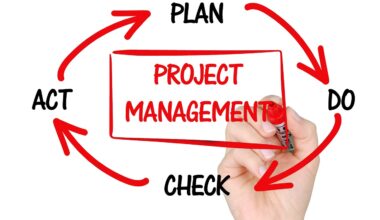

Creating a Culture of Continuous Feedback
Continuous feedback is essential for fostering a culture of performance management within organizations. It encourages an atmosphere where employees feel supported and valued. When performance reviews occur frequently, staff members receive real-time input on their contributions and opportunities for improvement. The shift from annual reviews to more frequent check-ins ensures that performance issues are addressed promptly. A regular feedback cycle can enhance employee engagement which leads to greater retention and satisfaction. Research shows that 60% of employees prefer real-time feedback, which can guide their development effectively. By adopting a continuous feedback model, organizations can foster transparency and create trust between managers and team members. This openness promotes innovation as employees feel safe to share their ideas. Additionally, continuous feedback with clear expectations aligns employee goals with organizational objectives. This alignment enhances the understanding of how individual efforts contribute to overall success, which is pivotal in performance management. Moreover, it also helps in identifying skill gaps and training needs quickly, allowing for tailored development plans that bolster personal and professional growth. Organizations must actively cultivate this feedback culture to drive success and achieve long-term goals.
Effective performance reviews require establishing a clear framework to ensure that all team members understand their objectives and desired outcomes. This framework serves as a roadmap for employees, guiding them through their responsibilities while providing a clear understanding of what is expected. When managers communicate these expectations openly, employees gain clarity, which can eliminate confusion and enhance focus. A strong performance review structure also involves regularly assessing progress against both individual and team goals. Utilizing tools like performance management software can simplify these processes, allowing for easier tracking and documentation of achievements. Regular discussions about performance can initiate vital conversations surrounding career aspirations and development opportunities as well. Stakeholders can identify skills that are essential for the workforce’s future needs, ensuring that employees are equipped for challenges ahead. Consequently, when organizations provide constructive feedback within this structured framework, they can enable employees to thrive while addressing any areas requiring improvement proactively. A focus on continuous improvement in this regard ensures longevity and adaptability in a rapidly changing business environment, positioning the organization as a leader in employee engagement and satisfaction.
Balancing Feedback and Recognition
In the pursuit of continuous feedback, it is crucial to strike a balance between constructive criticism and recognition. Acknowledging achievements fosters motivation and reinforces desirable behaviors among employees. Positive reinforcement creates an environment where employees feel appreciated for their contributions, which is vital for maintaining morale. Recognizing accomplishments should be an integral part of performance management systems, as it promotes retention and reduces turnover rates. Employees who feel valued are statistically more likely to remain with a company long-term, making retention a priority for human resource departments. Furthermore, blending positive feedback with areas for improvement helps employees better understand their strengths while developing weaknesses over time. Performance reviews should incorporate praises interspersed within reviews to cultivate a well-rounded perspective. This balanced approach leads to more productive conversations during performance reviews, allowing for a culture that thrives on mutual respect and understanding. Additionally, creating opportunities for peer recognition can enrich the feedback loop, as colleagues often understand each other’s roles better than supervisors. Both recognition and constructive feedback are integral to empowering employees for ongoing development and improvement.
Integrating technology into the performance review process amplifies the benefits of continuous feedback. Today’s workplace heavily relies on technology, which can facilitate communication, collaboration, and performance tracking. Companies investing in performance management software can democratize the feedback process, ensuring that all employees have equal access to valuable insights. These platforms typically offer features that enable real-time feedback, goal setting, and performance assessments documented in one space. Furthermore, utilizing data analytics allows managers to benchmark performance against key performance indicators (KPIs), offering a clear view of individual contributions relative to the overall organizational goals. Technology also fosters accountability, as employees can regularly receive feedback and track their progress transparently. This accessibility helps create a performance-oriented culture where achievements are celebrated and growth opportunities are recognized consistently. Moreover, technology in performance management reduces administrative overhead, allowing managers to dedicate more time to meaningful interactions with their teams. As digitally empowered workplaces continue to evolve, organizations leveraging technology in performance reviews will likely maintain a competitive advantage, maximizing individual potential and overall operational efficiency.
Training Managers for Effective Feedback
Training managers adequately in the art of delivering feedback is fundamental to a successful performance review process. Managers must be equipped with the skills necessary to engage in constructive conversations that benefit both employees and the organization. Professional development programs focusing on communication skills, emotional intelligence, and conflict resolution can profoundly impact how feedback is delivered. Training should address the importance of active listening when providing feedback, as this demonstrates respect and fosters open dialogues. Additionally, employing tools like role-playing exercises can enable managers to practice providing feedback in a safe environment. These techniques equip them with the confidence to tackle potentially uncomfortable conversations around performance. Ensuring managers are trained to recognize individual differences in feedback preferences further personalizes the feedback experience. Encouraging managers to seek peer feedback on their performance as leaders fosters a culture of learning and growth, creating a holistic environment where everyone, including management, is pushed towards better outcomes. Ultimately, focused training strategies cultivate an atmosphere of accountability, ensuring that performance management processes yield positive results for both employees and organizations alike.
Employee involvement in the performance management process enhances the effectiveness of continuous feedback mechanisms. Encouraging employees to engage in self-assessments fosters reflection on their own achievements and areas for improvement. This engagement can be integrated into the performance review process by allowing employees to set their own goals and objectives based on their career aspirations. When individuals play an active role in their development, they are more likely to take ownership of their growth journey as well. Additionally, incorporating 360-degree feedback enables employees to receive diverse perspectives on their performance from various sources within the organization. This comprehensive feedback loop can help highlight blind spots that may not be evident through traditional top-down evaluations alone. Moreover, involving employees in regular feedback chats can enable their voices to be heard, creating a culture of inclusivity and collaboration. Not only does this promote better communication, but it also drives engagement as employees feel they are valued contributors to the overall performance management journey. Ultimately, fostering a partnership in performance management cultivates accountability and shared responsibility for growth and improvement.
Evaluating the Impact of Performance Reviews
Regularly evaluating the impact of performance reviews is crucial to ensure their continued effectiveness. Organizations should gather data and feedback from employees regarding their experiences throughout the performance review process. Surveys and follow-up interviews can unveil insights into the effectiveness of performance discussions, illustrating areas that may require improvement or reinforcement. Additionally, analyzing trends within performance outcomes can help track whether continuous feedback initiatives yield positive changes in productivity, engagement, and retention. Organizations can make data-driven adjustments to enhance their performance management systems, aligning them with evolving business goals. Furthermore, benchmarking against other companies within the industry can provide valuable insights into best practices and common challenges. These evaluations allow organizations to refine their performance review processes continually, creating a system that supports ongoing development and is responsive to employee needs. Periodic assessments foster adaptability in performance management strategies, ensuring that they remain relevant and beneficial to the workforce. Ultimately, this commitment to evaluation and continuous improvement reinforces an organization’s dedication to developing its employees and enhancing overall performance.
Creating a culture of continuous feedback requires commitment from every level of the organization. Leaders must model feedback behaviors at the top, demonstrating their importance to overall performance management. By prioritizing consistent, constructive conversations about performance, management sets the standard for how feedback is perceived across the organization. Open lines of communication between all employees promote a culture where feedback is normalized and sought after over time. Organizations need to emphasize that feedback should not be viewed as punitive but rather as an opportunity for growth and development. This philosophy transforms the perception surrounding performance reviews, making them more focused on positive advancement rather than criticism. When employees see that their contributions are valued and changes are implemented based on feedback received, morale and engagement rise. Leadership’s recognition of continuous feedback aligns with long-term objectives, driving performance in the appropriate direction. Consequently, organizations that successfully integrate continuous feedback into their performance management strategies can enhance productivity, foster innovation, and maintain a competitive edge within their operational environments. Overall, this culture empowers employees, leading to sustained improvement, achievement, and organizational success.