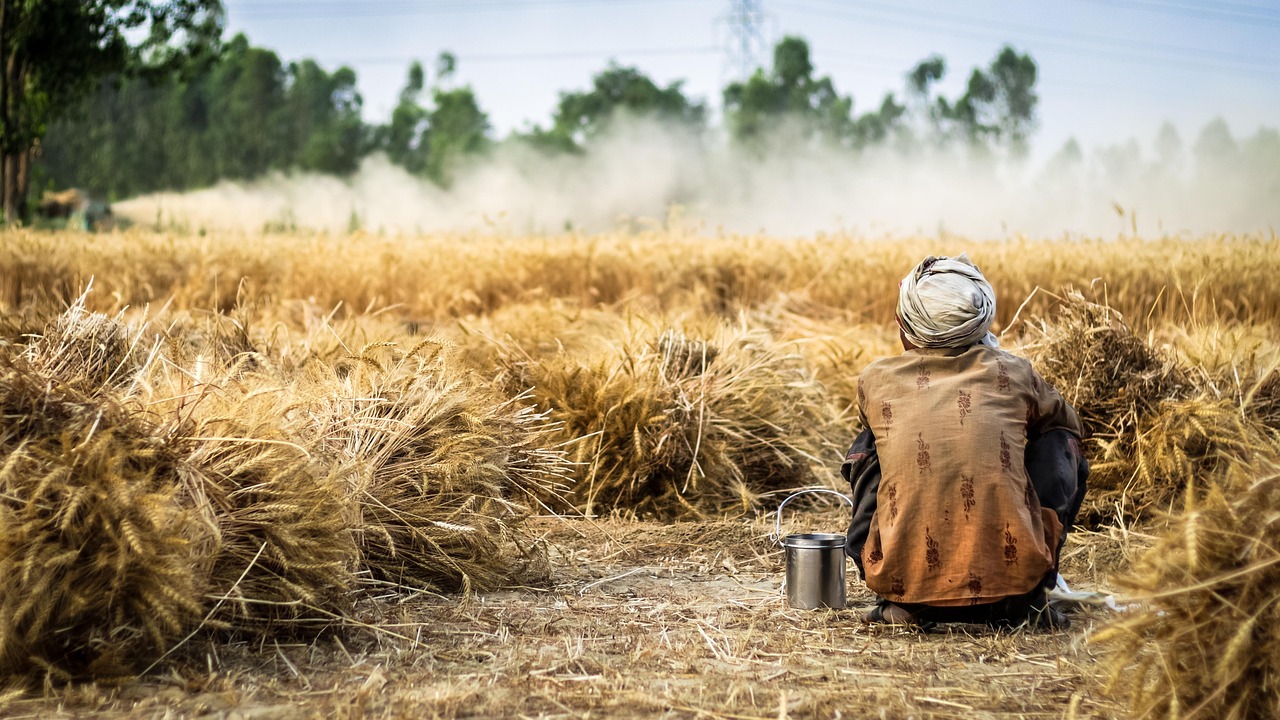

Impact of Crop Insurance on Farm Investment Decisions
In recent years, the significance of crop insurance has become increasingly recognized within the agricultural community. This specialized form of insurance ensures farmers are protected against losses due to unexpected events, such as natural disasters, pests, or market fluctuations. When farmers know that a safety net exists, they may become more willing to invest in their operations. Crop insurance mitigates some of the financial risks linked with crop production, thus offering a layer of financial stability. As a consequence, growers may choose to invest in improved technology, better seeds, or more efficient equipment. This investment directly results in enhanced productivity and output. Furthermore, the presence of crop insurance can influence lenders and financial institutions to provide loans. Having insurance serves as a risk management tool, making lenders more comfortable in financing agricultural ventures. Therefore, crop insurance ultimately plays a pivotal role in the decision-making process for farmers. It influences both their willingness to invest and their ability to secure necessary funding for operations. This dynamic leads to a more resilient agricultural sector, which is vital for food security and rural economies.
Understanding Crop Insurance Types
Understanding the different types of crop insurance available is essential for farmers aiming to maximize their benefits. Primarily, two main categories exist: Actual Production History (APH) and Revenue Protection (RP). APH insurance covers yield losses based on individual farm production history, ensuring that farmers receive compensation for lower yields. On the other hand, RP insurance protects against both yield loss and price fluctuations, ensuring farmers are safeguarded against reduced revenue. By choosing the appropriate insurance type, farmers can strategically manage risk while planning their investments. Beyond standard insurance, some policies can specifically accommodate unique farming practices or emerging crop varieties. For example, specialized insurance products cater to organic crops or innovative sustainable farming methods. Another crucial consideration is the insurance premium cost, which can influence available funds for other investments. Insurance subsidies may assist in covering these costs; farmers should investigate available government programs. Accessing reliable information regarding these policies can affect investment decisions. Thoroughly understanding these aspects enables farmers to make informed choices, aligning their risk tolerance with their farming goals and financial health while enhancing productivity and profitability.
Crop insurance not only protects against financial losses, but it also supports better environmental practices. Farmers who have insurance may feel more secure in making sustainable choices, since they are less worried about immediate losses. For example, implementing eco-friendly pest control methods or crop rotation practices may take time before yielding financial benefits. With crop insurance, farmers are more likely to adopt these strategies that benefit both their land and long-term profitability. Additionally, crop insurance fosters innovation. When farmers are assured that their investments are safeguarded, they may experiment with new techniques or technologies. This experimentation can lead to increased efficiency and reduced input costs. Consequently, the agricultural sector can experience significant advancements stemming from this willingness to innovate. Moreover, the broader impact of crop insurance extends to rural communities. By stabilizing farm incomes, crop insurance can support local economies, enhancing demand for goods and services. A thriving agricultural sector can maintain jobs in rural areas, benefiting entire communities. As stability increases, so does confidence in making investments in local infrastructure or businesses, creating a cycle of growth that supports the agricultural ecosystem and enhances regional development.
Challenges in Accessing Crop Insurance
Despite the evident advantages, challenges remain in accessing and utilizing crop insurance effectively. One significant barrier can be the complexity of insurance products. Farmers may struggle to comprehend various terms and conditions, making it difficult to determine the most suitable coverage for their specific needs. This complexity often leads to underinsurance, where farmers may not receive adequate coverage in times of crisis. Additionally, the costs associated with premiums can deter some farmers from participating in these insurance plans. Accessibility can also pose issues, particularly for small or minority farmers who might not have the same resources as larger agricultural enterprises. These disparities create inequalities in the agricultural sector, preventing some farmers from reaping the full benefits of crop insurance. Furthermore, natural calamities can create increasing pressure on the insurance industry, causing delays in claims processing. Consequently, farmers might experience cash flow issues, which can impact their investment plans. To address these challenges, targeted educational programs and resources should be developed. Simplifying insurance processes, along with increased outreach, can empower farmers to make informed decisions and enhance their investment strategies effectively.
In addition to insurance complexity, regional disparities in crop insurance availability can significantly affect farm investment decisions. Diverse agricultural landscapes and climatic conditions require tailored insurance approaches. Some regions may have limited program offerings or inadequate support systems, undermining the effectiveness of crop insurance in those areas. Furthermore, if crops that are predominant in certain regions are not adequately covered, farmers may perceive insurance as unbeneficial. Community awareness about available insurance options varies, impacting farmers’ decisions to participate. Efforts must be made to enhance outreach services, ensuring that essential information reaches all farming communities. This outreach can also help facilitate partnerships among farmers, local governments, and insurance providers. Encouraging collaboration can lead to more effective solutions tailored to unique agricultural needs, generating a stronger foundation for informed investment decisions. Educational workshops can illustrate the benefits of crop insurance, showcasing real-life success stories that resonate with potential participants. These initiatives can empower farmers to take action and embrace crop insurance as an integral part of their investment strategy, thereby strengthening the resilience of the agricultural sector as a whole. Efforts to promote equal access can ultimately lead to a more equitable agribusiness landscape.
The Future of Crop Insurance and Farming
Looking ahead, the future of crop insurance will likely evolve as agriculture adapts to new challenges posed by climate change and emerging technologies. Increased incidences of extreme weather patterns necessitate enhanced risk management strategies. Crop insurance must respond by offering more adaptable and comprehensive policies to meet these changing demands. Innovations such as precision farming and data analytics are enabling farmers to monitor crop health more effectively. Integrating these technologies into crop insurance can provide real-time assessments of risk, thereby enhancing the protection available to farmers. Furthermore, climate-oriented insurance products could be developed to account for the increasing unpredictability surrounding harvest seasons. Such tailored products would need to analyze local climate trends to provide adequate coverage. Additionally, as consumers become more aware of food production practices, transparency in farming is vital. Crop insurance can play a role in this transparency by incentivizing sustainable farming practices. Insurance programs could reward farmers who adopt environmentally friendly practices, thus promoting sustainability. Overall, the future landscape holds significant promise, as the agricultural sector leverages crop insurance to enhance stability and innovation in farming practices across various regions.
Crop insurance also influences broader farm management strategies, reshaping how agricultural producers approach growth. By integrating crop insurance into their overall financial planning, farmers can balance short-term risks with long-term goals. This integration fosters a culture of proactive risk management, essential in today’s dynamic agricultural world. Additionally, as more farmers recognize the advantages of crop insurance, participation rates are expected to increase, leading to a more robust pool of resources within the insurance sector. This growth can reduce premium costs and make crop insurance more accessible for all. As farmers gather experience in using insurance to stabilize their business, they may also develop new risk management practices that complement insurance coverage. Networking among farmers can facilitate knowledge-sharing regarding best practices, enhancing the overall efficacy of crop insurance. Encouraging collaboration among farmers, insurers, and agricultural service providers can result in innovative financial solutions tailored to agricultural challenges. Ultimately, elevating the conversation around crop insurance as a vital tool can foster a supportive environment for investments. As awareness and confidence grow, so does the potential for a flourishing agricultural economy characterized by resilience and sustainable practices.
Conclusion: The Importance of Crop Insurance
In conclusion, the impact of crop insurance on farm investment decisions cannot be overstated. It serves as a critical financial safety net that helps farmers manage risk while pursuing growth and innovation. By financially protecting farmers from unforeseen events, crop insurance empowers them to invest in better practices and technologies that enhance productivity. Additionally, it encourages sustainability and good management practices that are vital for the future of agriculture. Despite the challenges present in accessing crop insurance, ongoing education and outreach efforts are essential to ensure that all farmers can utilize these resources effectively. The evolving nature of farming necessitates adaptable insurance solutions that meet current and future demands. Engaging with farmers about their unique needs and promoting tailored solutions can further enhance the viability of crop insurance. As the agricultural landscape continues to evolve, so will the significance of crop insurance in supporting resilient farming operations. Ultimately, a robust crop insurance framework fosters agricultural sustainability, empowering farmers to make informed decisions for future investments, thus cultivating a more resilient agricultural ecosystem that ensures food security for all.