
The Importance of Discipline in Day Trading
Day trading represents a dynamic approach to investing that requires not only keen market insight but also a solid adherence to disciplined practices. Successful traders understand the importance of maintaining a systematic trading strategy. Without discipline, it’s easy to make impulsive decisions that can lead to significant losses. Establishing a clear plan, including entry and exit points, is paramount. Traders often utilize trading journals to track their strategies and results. This practice provides insight and clarity into what works and what doesn’t in their approach. Furthermore, emotional control plays a crucial role. Many traders experience fear or greed during trading hours, which can cloud judgment. Discipline helps to minimize emotional reactions, leading to more rational and strategic decision-making. A disciplined trader follows their predetermined plan even in the face of market volatility. Focusing on long-term success rather than immediate gains cultivates a more sustainable trading environment. Additionally, constantly reviewing and refining trading plans in light of market changes demonstrates the importance of adaptability within a disciplined framework. This balance of discipline and flexibility is essential for thriving in day trading.
Building a disciplined trading routine is another key aspect of successful day trading. Traders should aim to create structured schedules that delineate specific times for trading, research, and analysis. Allocating dedicated periods for trading can foster focus and reduce distractions. Moreover, setting achievable goals and expectations for each trading session is vital. Day traders who maintain realistic objectives are less likely to engage in reckless trading behavior. Consistent routine also reinforces the habit of adhering to trading plans, ultimately leading to improvements in decision-making. Education further enhances this discipline. Engaging in ongoing learning about market trends, strategies, and tools can equip traders with necessary techniques. Continuous education forms a solid foundation for making informed decisions based on the latest data. Various resources such as books, online courses, and webinars provide valuable insights. Additionally, traders can benefit from networking with other traders to share experiences and strategies. This collaboration fosters a communal environment that nurtures accountability and knowledge sharing. By combining disciplined routines with ongoing education, a trader can cultivate a more effective and resilient trading mindset.
Psychological Strategies for Discipline
Psychological strategies are vital for maintaining discipline during trading sessions. Traders often face stressful situations that can lead to poor choices and deviations from their plans. Practicing mindfulness techniques can assist in managing stress and maintaining focus. Simple meditation exercises allow traders to center their thoughts and enhance their capacity to react calmly under pressure. In addition, visualization practices can support discipline. Traders may benefit from envisioning successful trades and the emotions associated with those successful outcomes. This mental exercise reinforces positive behavior and motivations. Implementing strong risk management strategies is crucial as well. Setting stop-loss orders limits potential losses and encourages traders to stick with their strategy. Furthermore, understanding one’s own risk tolerance is essential. Recognizing personal limits can prevent overexposure and emotional trading. Keeping emotions in check during periods of volatility requires significant self-discipline. Daily affirmation practices can be beneficial, helping traders remind themselves of their trading goals and reinforcing their commitment to maintaining discipline in their approach.
Another significant way to enhance discipline in day trading is through accountability mechanisms. Having a trading buddy or mentor can establish a support system that encourages adherence to personal trading plans. This dynamic fosters transparency and accountability as traders share wins and losses within their community. Peer feedback and support can motivate individuals to avoid impulsive decisions and adhere closely to their strategies. Additionally, participating in trading forums or communities can provide valuable insights and encouragement. Such participation can help traders maintain a disciplined outlook and stay updated with market sentiments. Additionally, regularly reviewing trading performance offers opportunities to reflect on past trades. This review process highlights discipline over the long term and identifies areas for improvement. Traders can analyze patterns in their successes and failures, allowing them to refine strategies. By developing accountability measures and engaging with peer networks, traders can deepen their commitment to disciplined practices in pursuit of long-term trading goals that go beyond mere short-term gains.
The Role of Technology in Discipline
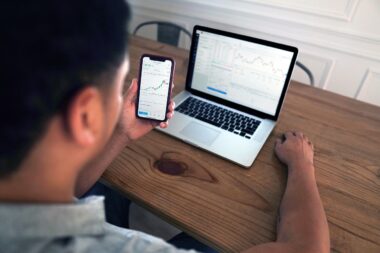
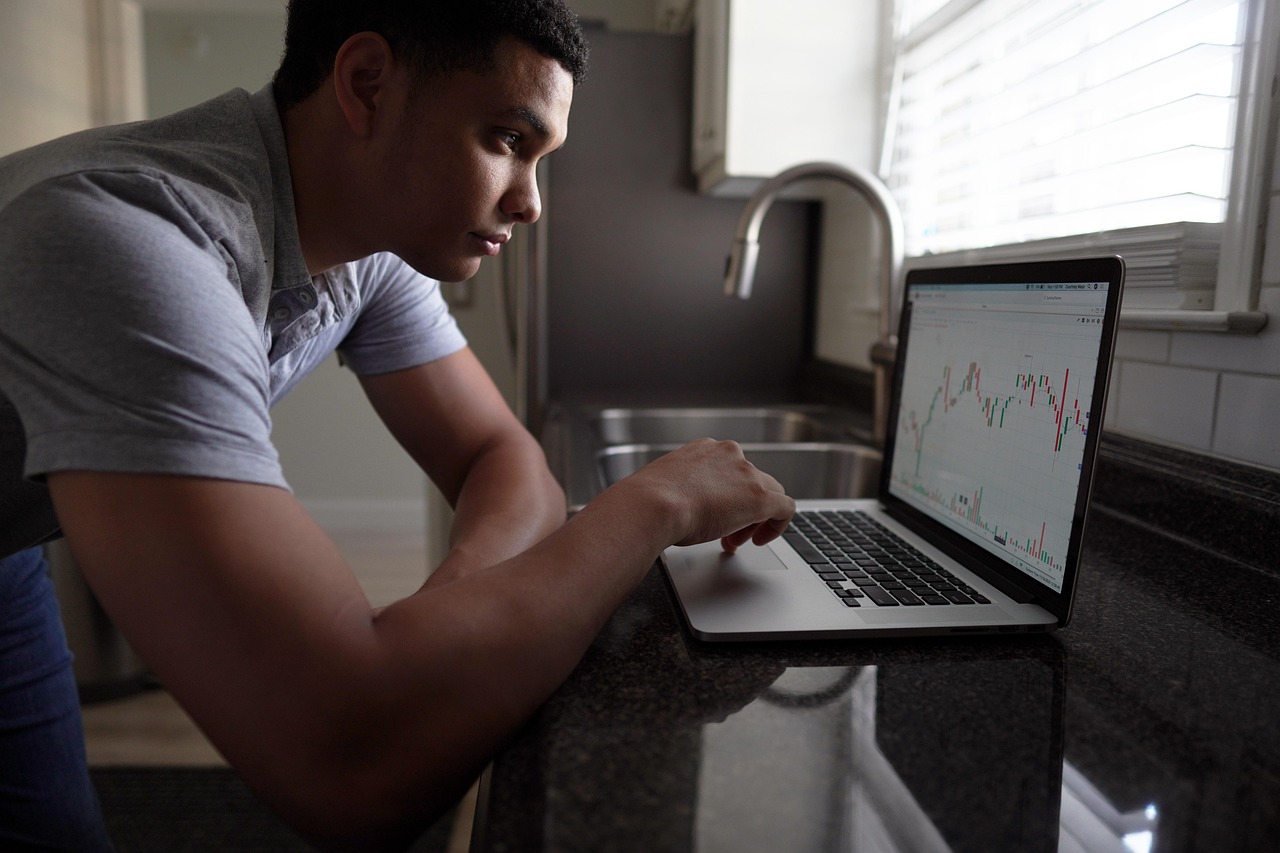
Modern traders have access to a plethora of technological tools that facilitate discipline in day trading. Trading platforms equipped with advanced analytics offer interactive charting and data analysis features. These functionalities empower traders to make informed decisions based on real-time data. Moreover, automated trading systems allow traders to execute strategies without emotional interference. By setting defined parameters, such systems ensure that trades occur based on established criteria rather than impulsive reactions. Furthermore, alerts and notifications help traders stay informed of market movements, reinforcing adherence to their strategies. Additionally, trading software often includes backtesting features that enable traders to assess the effectiveness of strategies before implementation. This analytical power cultivates a sense of confidence and discipline as traders enter the market with validated approaches. Furthermore, continuous monitoring through mobile apps allows for the management of trades on-the-go, ensuring that traders remain focused on their plans. The integration of technology into one’s trading routine can fundamentally enhance both efficiency and discipline within a fast-paced trading environment.
Moreover, performance analytics tools play a crucial role in fostering discipline among day traders. By offering insights into trading behavior, these tools enable traders to analyze their actions and identify patterns. This evaluation process leads to greater awareness of strengths and weaknesses in trading strategies. Additionally, engaging with these analytics aids in setting realistic benchmarks for improvement. By tracking performance over time, traders are positioned to adjust their strategies accordingly. This data-driven approach to analysis further emphasizes the importance of discipline in sticking to the original trading plans. Moreover, traders can leverage social trading platforms that allow them to observe the strategies employed by top-performing peers. By studying successful traders, individuals can cultivate their disciplined approaches to make more informed decisions. Ultimately, these tools create an ecosystem conducive to disciplined day trading, allowing traders to remain engaged without succumbing to impulsive behaviors. In the fast-paced world of day trading, technology offers a pathway to improved discipline, turning the pursuit of financial goals into a structured and actionable plan.
Conclusion: Cultivating Enduring Discipline
Ultimately, the cultivation of discipline in day trading is a continuous journey requiring dedication and resilience. Traders must recognize that discipline isn’t solely about rules; it’s also about developing a mindset geared toward long-term success. Establishing and maintaining disciplined trading practices can help mitigate emotional decision-making. Over time, traders can shape their behaviors into habitual practices, reinforcing stability and confidence in their trading outcomes. Alongside practices such as goal setting, routine establishment, and psychological strategies, the integration of technology further strengthens this commitment. Engaging in communities and networks fosters supportive atmospheres that encourage discipline and ongoing learning. As traders reflect on their performance and adjust their methods, they embark on the journey of refining strategies that ultimately align with their personal trading philosophies. The financial markets reward disciplined traders who make well-informed decisions dependent on systematic approaches. As individuals cultivate their disciplines and invest in their education, they lay a solid foundation for enduring success in the complex world of day trading.
In summary, discipline is not just a buzzword in day trading; it is the cornerstone of successful trading strategies. Without a strong foundation of discipline, traders risk significant losses and emotional turmoil. Developing a disciplined mindset through consistent practice can lead to improved decision-making and favorable outcomes. This journey emphasizes the importance of commitment and accountability and enables individuals to navigate the fast-paced world of trading effectively. By understanding the multifaceted aspects of discipline, traders can cultivate lasting habits that drive them toward their financial goals in day trading.