
Comparing Traditional vs Online Banking: Pros and Cons
Traditional banking and online banking each present unique advantages and disadvantages. Traditional banks offer convenience through physical branches where customers can receive in-person support, access teller services, and conduct transactions directly. This face-to-face interaction is essential for those who prefer human contact during financial discussions. However, customers are often confined to limited hours for banking operations, causing potential inconvenience. Transaction processing times may also be slower due to the nature of branch operations. On the other hand, online banking provides flexibility, allowing account holders to manage their finances anywhere and anytime through digital platforms. Users can check balances, transfer funds, and pay bills with ease. The lack of physical branches may deter some, while others appreciate the simplicity and efficiency online banking offers. In terms of costs, traditional banks may have higher fees and minimum balance requirements compared to online alternatives, which often have little to no fees. However, security remains a concern for those wary of online fraud. Ultimately, each option caters to different customer preferences and needs within the spectrum of banking.
Benefits of Traditional Banking
One significant benefit of traditional banking is the personal touch that comes from in-person interactions. Customers can meet with bank representatives to discuss complex financial matters and get tailored advice on loans or mortgages. The chance to build a trusting relationship can significantly enhance customer service, making banking less daunting for individuals with limited financial knowledge. Additionally, traditional banks tend to provide immediate access to cash through ATMs and teller services, offering a sense of security in times of need. The familiarity with local branches may also foster a stronger community connection, as people often recognize bank employees and other customers. Furthermore, traditional banks frequently offer financial literacy programs, providing essential knowledge to keep customers informed about personal finance management. However, the main drawbacks include limited operational hours and geographic constraints. Customers may need to plan visits during working hours, which might not suit everyone’s schedule, possibly causing frustration. In contrast, some may find that transaction processing times are generally slower across traditional banking platforms. Each consumer needs to weigh these pros and cons when considering their financial habits.
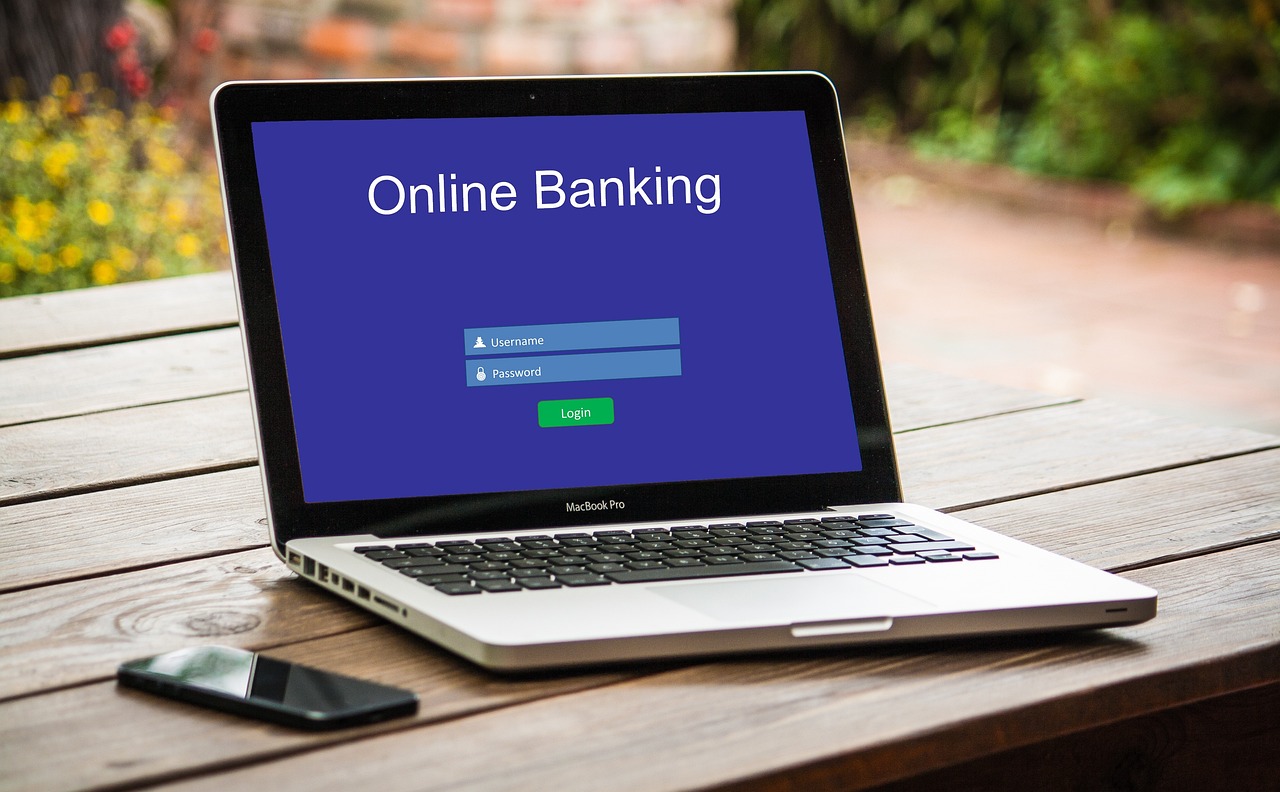
Online banking has quickly gained popularity due to its unmatched convenience and accessibility. With just a few clicks, users can access their accounts, transfer funds, and pay bills from virtually anywhere with an internet connection. This ease of use appeals to tech-savvy individuals and busy professionals who need swift banking solutions. Many online banks also offer 24/7 customer support through chatbots or phone services, allowing users to resolve issues whenever necessary. Moreover, online banking often comes with lower fees, which can save customers significant amounts over time. The absence of physical branches means fewer overhead expenses for these banks, allowing them to pass savings on to their customers in the form of higher interest rates on savings accounts and lower loan rates. Enhanced technological features, such as budgeting tools and transaction alerts, further contribute to a user-friendly experience. Security also advances with biometric verification and two-factor authentication, providing reassurance to online users. Despite these benefits, online banking can pose potential risks related to cybercrime, which is why customers must remain vigilant and practice good online security habits.
Security Concerns in Banking
When considering the security of traditional versus online banking, different challenges arise. Traditional banks typically face risks related to physical security at branch locations. This includes considerations for preventing theft and ensuring safe cash handling. On the other hand, online banking is susceptible to cyber threats such as phishing attacks, where customers might provide personal information unknowingly. Internet-based banking must utilize advanced encryption and security protocols to protect client data and transaction information. The customer is also responsible for maintaining personal security measures, including strong passwords and secure WIFI use. While traditional banking can rely on established methods for security, online banking constantly evolves to counter new threats in the digital space. This necessitates that banks train staff and update systems regularly. Using two-factor authentication has become a standard industry practice for online banks to add an extra layer of security for account holders. Customers should assess the security measures provided by their chosen banking method to better understand their risk exposure. Overall, both traditional and online banking carry specific security challenges that require diligent management by both banks and customers.
Adaptability in financial services is essential as customer needs are continuously evolving. Traditional banks have begun to introduce online banking capabilities to keep pace with technological advancements. Many are developing user-friendly apps that offer essential features while maintaining the in-branch services that some consumers still desire. This hybrid model appeals to both demographics, capitalizing on the best aspects of both banking types. Additionally, technological innovations such as contactless payments and mobile wallets are becoming the norm in banking. Even traditional banks recognize the growing trend and must adapt to retain and attract customers. Conversely, online banks may struggle to gain the trust of older generations, who may have reservations about virtual services. These institutions could enhance their appeal by fostering strong customer support and educational initiatives that build confidence in their offerings. Providing demos or in-person consultations can aid in bridging the gap between traditional expectations and modern conveniences. Ultimately, adaptability is crucial as banks strive to meet customer demands in a rapidly changing financial landscape. Understanding what clients want allows banks to structure their services accordingly, regardless of the medium.
Future of Banking
The future of banking is increasingly leaning towards digital solutions, fundamentally reshaping the industry. The rise of fintech startups has introduced innovative services that challenge traditional banks by offering better rates, efficient applications, and faster processing times. As digital adoption accelerates, established banks are also investing heavily in technology to enhance their service offerings, ensuring they remain competitive. Features like robo-advisors and automated personal finance management tools are becoming commonplace, powering clients’ financial decision-making and planning. Blockchain technology and cryptocurrencies are also making waves in the financial sphere, predicting even more transformations. Furthermore, the burgeoning demand for neobanks—fully digital banks without physical branches—highlights an essential shift in consumer preferences. These banks cater primarily to millennials and Gen Z, who prioritize convenience and technology over traditional banking practices. By removing barriers and offering simplified services, neobanks are reshaping expectations around financial institutions. As this evolution unfolds, understanding customer behavior will be paramount for banks aiming to thrive. Established institutions must be ready to adapt by focusing on enhancing customer relations and integrating cutting-edge technology sustainably.
In conclusion, the choice between traditional and online banking largely depends on personal preferences and value systems. Traditional banks excel in providing personalized service and community connection, while online banking excels in convenience and reduced fees. Consumers must weigh their options and consider which benefits align best with their lifestyle and financial management style. Factors such as age, tech-savvy nature, and travel frequency can heavily influence decision-making. While some may appreciate having easy access to bank branches and personalized guidance, others may prefer the luxury of banking from the comfort of their home. Additionally, security considerations should play a critical role in this decision, prompting customers to evaluate how each type manages risk. Regardless, it is vital to stay informed about emerging trends and developments in banking as technology progresses. The increasing adaptability of both traditional and online banking provides various options for today’s consumers, clarifying that the banking landscape is ever-changing. As the future unfolds, maintaining awareness remains paramount, allowing customers to navigate their financial journeys effectively.