
Technical Analysis Basics for Stock Traders
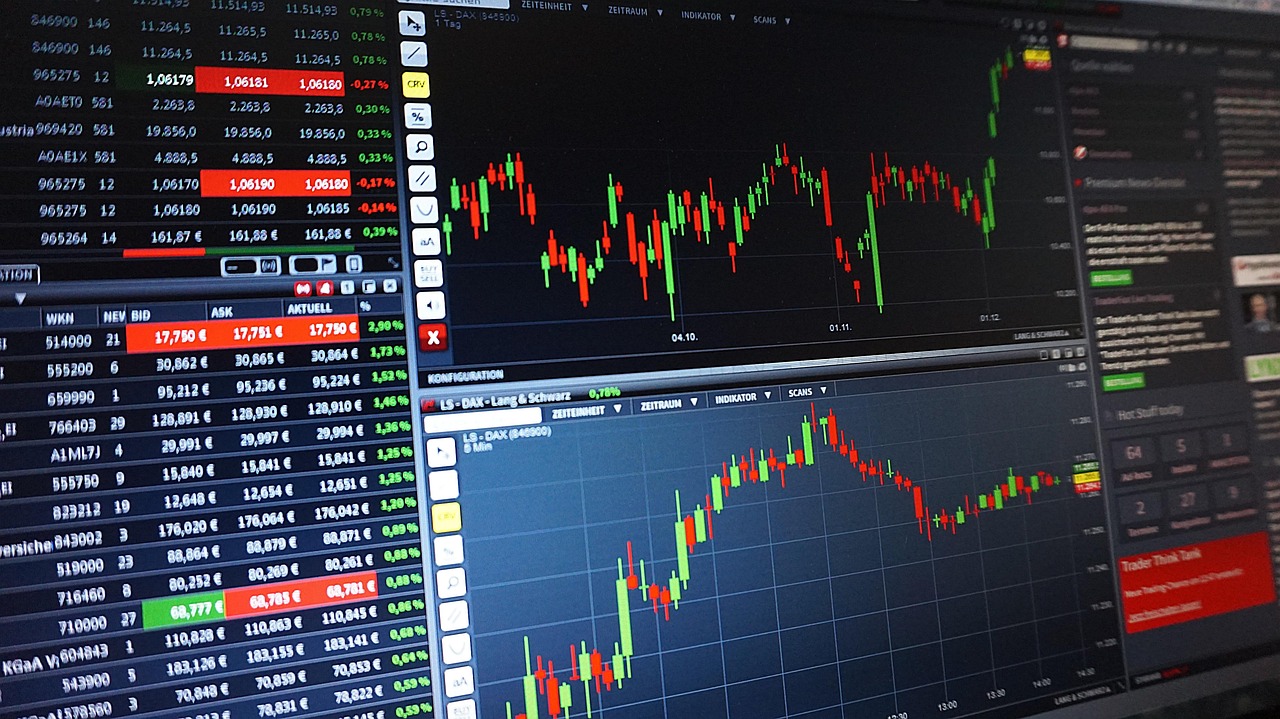
Understanding technical analysis is crucial for stock traders who seek to predict future price movements based on historical price patterns. Technical analysis employs various tools and methods to interpret stock price data and identify trends. A primary objective is to help traders make informed decisions on buying and selling stocks. Essential components of technical analysis include price charts, trading volume, and moving averages, which provide deep insights into market behavior. Traders use tools such as trend lines and support/resistance levels to visualize potential price movements and recognize breakout opportunities. Furthermore, indicators such as Relative Strength Index (RSI) and Moving Average Convergence Divergence (MACD) offer additional data points for traders, enhancing their overall market outlook. Success in the stock market often hinges on the ability to read and interpret these indicators proficiently. Being knowledgeable about technical signals can significantly impact trading performance, allowing for strategic entry and exit points. By embracing technical analysis, traders can navigate the complexities of the stock market with greater confidence. It enables stock traders to strategically position themselves in the dynamic financial landscape, ultimately aiming for higher returns.
Key Concepts of Technical Analysis
To delve deeper into technical analysis, it is essential to understand some core concepts that underpin this approach. Price charts are the foundation of technical analysis, displaying historical price movements over time. Using different chart types, such as line, bar, and candlestick charts, traders can glean valuable insights into past price action. Each chart type offers unique perspectives on market sentiment and price volatility, which are fundamental for making informed trading decisions. Additionally, trend analysis plays a vital role in technical analysis. Identifying whether a stock is in an uptrend, downtrend, or sideways trend helps traders position themselves effectively. Support and resistance levels are also critical; these are price points where stocks tend to reverse direction. Understanding these levels can enable traders to make educated guesses about price levels likely to hold or break. Furthermore, volume analysis complements price analysis, as it validates price movements and signals potential reversals or continuations. Combining these essential concepts can equip stock traders with a comprehensive toolkit for navigating the often turbulent waters of the stock market.
Incorporating various technical indicators is another vital aspect of technical analysis for stock traders. These indicators are mathematical calculations based on price, volume, or open interest. Popular indicators like Moving Averages, Bollinger Bands, and RSI help traders identify potential trends, reversals, and volatility. Moving Averages smooth out price data to identify the direction of the trend more easily. Bollinger Bands consist of a middle line and two outer bands that indicate market volatility and overbought or oversold conditions. Besides these, other indicators like Fibonacci Retracement levels offer insights into possible future price retracements. Furthermore, chart patterns, such as head and shoulders, flags, and triangles, are invaluable in predicting future price movements. Recognizing these patterns can provide traders with signals for potential trades, enabling them to act strategically. Although no indicator is foolproof, combining multiple indicators and chart patterns can provide a more accurate market outlook. By mastering these tools, stock traders can enhance their ability to make educated trading decisions, thus increasing the likelihood of successful trades in their financial journey.
The Importance of Risk Management
Effective risk management is a critical component of successful trading in the stock market. All traders face risks, and understanding how to manage these risks can differentiate successful traders from those who struggle. One of the best practices is to define risk-reward ratios before entering any trade; this establishes clear expectations for possible profits compared to potential losses. Setting stop-loss orders is another crucial strategy, allowing traders to limit losses on positions that move unfavorably. Additionally, diversifying one’s portfolio across various sectors and assets can help spread risk. It reduces the potential impact of losses from a single investment on the overall portfolio. Furthermore, maintaining a disciplined approach to trading can enhance risk management. Traders must resist the temptation to deviate from their trading plans based on emotions or market noise. Finally, continual education on risk management techniques will empower traders to adapt their strategies effectively in changing market conditions. Emphasizing the importance of risk management in their trading approach ensures that stock traders can navigate the market while preserving their capital.
Trading psychology is often overlooked, yet it plays an instrumental role in achieving success in the stock market. It focuses on understanding the emotional and cognitive factors that affect trading decisions. Psychological traits such as fear, greed, and overconfidence can lead traders to make impulsive decisions that may not align with their technical analysis. Cultivating a disciplined mindset is essential, as successful trading requires emotional resilience, especially during periods of volatility. Additionally, maintaining a trading journal can be beneficial; documenting trades, thoughts, and emotions allows traders to reflect on their decisions and improve their strategies over time. Learning to manage one’s emotions while trading can significantly enhance performance and decision-making. Moreover, developing a well-defined trading plan helps traders adhere to predetermined strategies, reducing the influence of emotions. Understanding the psychological aspects of trading empowers stock traders to approach the market with a more balanced mindset, ultimately leading to better outcomes and consistent performance. By recognizing the importance of trading psychology, traders can enhance their overall trading experiences, leading to long-term success.
Adapting to Market Changes
The stock market is constantly evolving, and successful traders must be adaptable to changes in market conditions. Economic indicators, company earnings reports, geopolitical events, and global economic conditions can all have significant effects on stock prices. A trader’s ability to adjust their technical analysis strategies according to these factors often determines their level of success. Staying informed about market news and trends helps traders identify potential opportunities and mitigate risks effectively. Utilizing technical analysis alongside fundamental analysis provides a holistic view of stocks and the stock market. While technical analysis focuses on past price action, fundamental analysis examines a company’s financial health, including earnings, revenue, and overall market position. Integrating both approaches allows traders to make well-rounded decisions. Additionally, leveraging technology by utilizing trading platforms and software can enhance a trader’s capacity to analyze data and execute trades swiftly. Automation tools can also help eliminate human errors and streamline the trading process. Embracing change and utilizing various tools will strengthen traders’ chances of navigating an unpredictable market landscape successfully.
Lastly, continuous learning and improvement are paramount for traders aiming for success in the stock market. The world of finance is ever-changing; thus, traders must dedicate themselves to education and skill enhancement consistently. Various resources, such as books, courses, webinars, and networking with experienced traders, offer opportunities to expand knowledge on technical analysis and stock trading strategies. Analyzing past trades, whether successful or not, can provide valuable lessons, helping traders refine their strategies over time. Additionally, participating in trading communities can foster shared knowledge and insights, enhancing personal growth and market understanding. The commitment to lifelong learning enables traders to stay abreast of new market trends and emerging technologies that can impact trading performance. Moreover, setting attainable short-term and long-term goals can motivate traders to remain focused and committed to their development. Cultivating a mindset geared towards growth and adaptability is essential, as it empowers traders to tackle challenges with confidence. By embracing a lifelong learning philosophy, stock traders can continually improve their skills and ultimately achieve greater success in their trading endeavors.