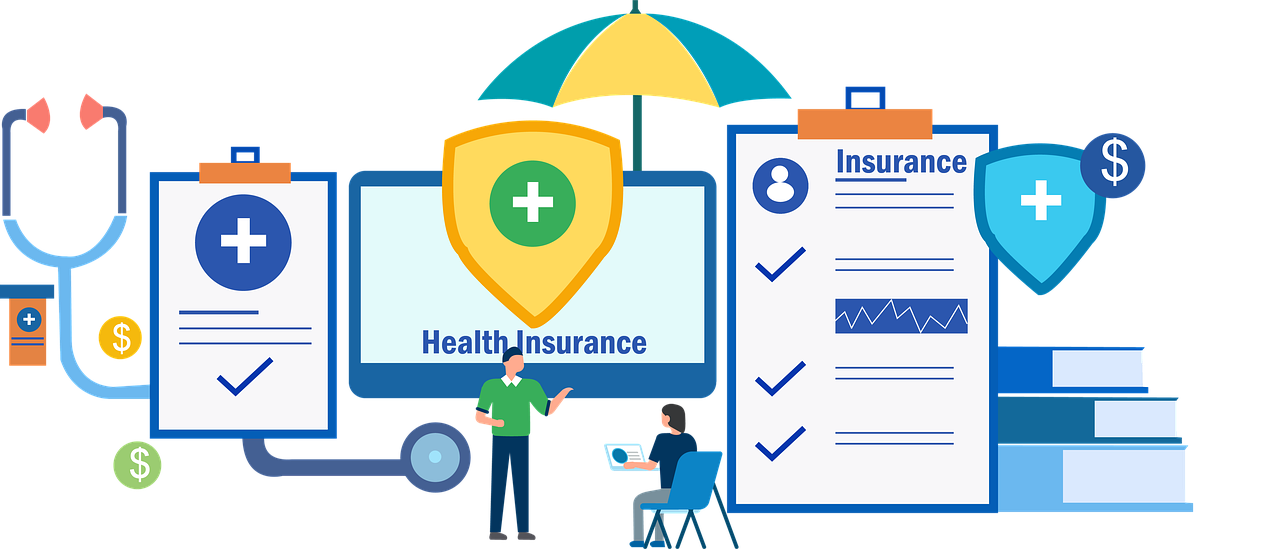

How Digital Platforms are Enhancing Customer Experience in Insurance
The insurance industry is experiencing significant transformations due to the adoption of digital platforms. Customers today expect seamless, efficient services that cater to their needs in real time. Digital platforms facilitate instant access to information, making it easier for customers to find policies that suit them without waiting for hours. Furthermore, online tools and mobile applications help customers manage their policies more efficiently. With chatbots and customer support available 24/7, issue resolution is faster, which greatly enhances overall satisfaction and retention. Insurers can leverage data analytics, ensuring they understand and anticipate customer needs effectively. Through tailored products, businesses can provide personalized solutions, fostering trust and loyalty. A wide range of services, from claim submissions to policy renewals, is now possible digitally, leading to better resource management and reduced operational costs. Adoption of digital platforms ultimately leads insurers to build more engaging relationships with customers. As the insurance landscape evolves, understanding these trends is crucial for stakeholders aiming to remain competitive in a rapidly changing market, leading to innovative methodologies and strategic initiatives.
Advancements in technology have significantly influenced how customers interact with insurance providers. With the advent of mobile apps and online portals, policy management is now at the fingertips of clients. This level of accessibility not only enhances convenience but also empowers clients to take charge of their insurance experience. Customers can easily review coverage options, receive instant quotes, and make informed decisions based on real-time data. Moreover, personalized communication such as targeted emails or tailored notifications helps maintain engagement and improves customer retention. The implementation of omnichannel communication strategies amplifies this effect, allowing clients to switch seamlessly between platforms while retaining access to their insurance details. Importantly, digital platforms also support educational initiatives. For instance, insurers can provide resources and information that educate customers about their coverage and potential risks, promoting informed decision-making. This transparency builds trust, which is vital for long-term relationships. Ultimately, technology in the insurance sector not only streamlines processes but transforms how businesses and customers interact, paving the way for a more dynamic and responsive market environment.
Data-Driven Insights in Insurance
Another critical enhancement in customer experience in insurance comes from data analytics. Insurers can leverage vast amounts of customer data to deliver insights that enable better decision-making by both clients and companies. Understanding customer behavior allows insurers to adapt products, pricing, and services to meet the unique needs of their clients. Predictive analytics, for instance, helps in identifying trends and risks, ensuring that customers receive coverage when it matters most. Furthermore, utilizing machine learning algorithms enables personalized recommendations tailored to individual customer preferences and profiles. Enhanced underwriting processes lead to more accurate risk assessments, benefitting both the insurer and the customer. In addition, continuous learning mechanisms ensure that products evolve alongside market demands, offering updated solutions that reflect changing lifestyles. The combination of data insights with user-friendly platforms creates a cycle of improvement, fostering innovation in product development. More intelligent customer interactions significantly enhance satisfaction and loyalty, helping insurers build lasting relationships with their clients. As such, data-driven strategies remain a cornerstone of enhancing customer experiences across the insurance sector.
Insurers are increasingly recognizing the importance of user-friendly interfaces and simplified processes in enhancing customer experience. Navigating complex insurance policies can be overwhelming, which is why intuitive design becomes a priority for digital platforms. By employing user-centered design principles, insurers can create platforms that guide customers through every stage of the process. Simplified language, clear visuals, and step-by-step instructions minimize confusion, making it easier for customers to understand their options. Additionally, integrating features like online chat support enhances the customer experience by providing immediate assistance when needed. Surveys and feedback mechanisms allow insurers to gain valuable insights directly from customers, guiding future improvements. Continuous testing and iteration of these platforms ensure they remain accessible and efficient. Furthermore, creating a cohesive digital ecosystem that connects various platforms, such as social media and email marketing, allows insurers to maintain consistent communication. These elements together foster a streamlined experience, reducing friction and increasing the likelihood of return customers. As customer expectations evolve, prioritizing usability in digital platforms will be key to retaining competitive advantage within the insurance industry.
Challenges in Digital Adoption
Despite the benefits of digital transformation, some challenges remain in fully adopting these platforms within the insurance sector. Legacy systems often hinder modernizing efforts, making it difficult for insurers to integrate new technologies. Additionally, employee resistance to change can pose significant obstacles, as many staff members may prefer traditional methods. Continuous training and upskilling programs become essential to ensure smooth transitions into digital environments. Cybersecurity concerns also present challenges, as insurers must protect sensitive customer data while maintaining user-friendly experiences. A breach can severely damage an insurer’s reputation, resulting in lost trust and customers. To address these issues, providers must adopt a comprehensive risk management strategy that focuses on security while enhancing customer experience. Striking a balance between innovative technology and robust security measures requires careful planning and collaboration across all departments within the organization. As companies navigate these challenges, they can leverage partnerships with tech firms to facilitate a smoother integration process. Ultimately, overcoming barriers will maximize the potential of digital platforms in delivering exceptional customer experiences.
Regulatory compliance also plays a crucial role in the adaptation of digital platforms in the insurance market. Insurers must navigate a complex landscape of regulations designed to protect consumer rights and maintain an ethical marketplace. Achieving compliance while innovating can create a hurdle, as insurers must ensure their digital operations respect the relevant laws and guidelines. Collaborating with legal experts and technology providers helps to seamlessly align new platforms with existing regulations. Transparent practices and active communication with customers regarding data use build trust, signaling to clients that their interests are maintained. Automated compliance monitoring tools can provide significant assistance in tracking adherence to policies and regulations, allowing insurers to focus on enhancing user experience. Furthermore, engaging in industry discussions and sharing best practices can lead to consistent improvements across the sector. As digital transformation progresses, insurers willing to adapt to and engage with regulatory standards will likely enjoy a stronger market position. This proactive approach leads not only to compliant practices but also to an enhanced customer experience.
Future Trends in Digital Insurance
Looking ahead, the insurance industry is poised for further transformation driven by digital platforms. Emerging technologies, including artificial intelligence and blockchain, have the potential to revolutionize how insurance products are created and delivered. Fundamental to these changes is increased automation, which can enhance efficiencies in operational processes. AI can streamline claims processing through efficient data analysis and customer verification, significantly reducing the time taken to settle claims. Furthermore, blockchain promises improved transparency, keeping all transactions secure and immutable, fostering trust among clients. These advancements will likely encourage greater consumer engagement as clients become more informed about complex products. As a result, insurers can expect evolving customer expectations demanding more transparency and innovative solutions. Digital platforms will increasingly incorporate additional features, such as virtual consultations and personalized insurance plans. Anticipating these trends requires insurers to remain agile and open to adopting new technologies. In conclusion, digital platforms are redefining the landscape of customer experience in insurance, driving improvements and new opportunities for both customers and providers throughout this evolution.
This digital evolution is also leading to a growing emphasis on sustainability within the insurance sector. As environmental concerns permeate various industries, the expectation for insurers to address these issues is heightened. Digital platforms can support sustainability by enabling insurers to develop green insurance products that encourage eco-friendly practices among policyholders. For instance, incentivizing clients through discounts for choosing environmentally safe car models can contribute to broader environmental goals. Additionally, digital tools can facilitate remote consultations, reducing the need for travel and minimizing carbon footprints. As more consumers prioritize sustainability in their purchasing decisions, insurance firms must adapt to reflect these values. Integrating sustainability into business models requires innovative strategies that merge technology with eco-friendly practices. Partnering with organizations dedicated to promoting sustainable initiatives can amplify these efforts, ensuring insurers contribute positively to societal well-being. By showcasing their commitment to the environment through their digital platforms, insurers can improve brand reputation while attracting conscientious clients. In summary, as customer expectations evolve alongside concerns for the environment, embracing sustainability stands as a central element of the future of customer experience in the insurance industry.