
Project Scheduling Software and Its Influence on Project Deadlines
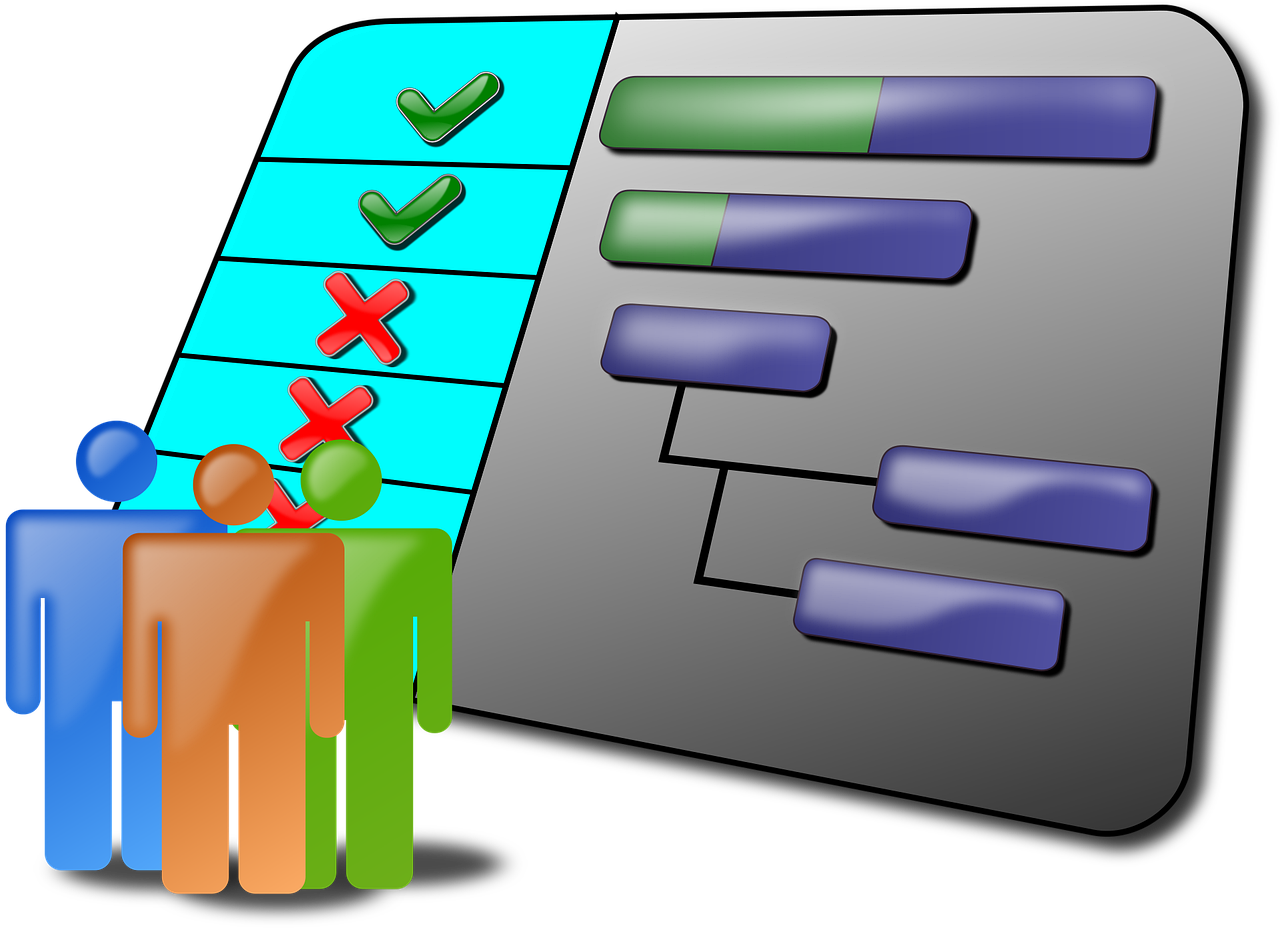
Project scheduling software is essential for modern project management. It simplifies the planning and execution of tasks, allowing teams to meet deadlines efficiently. These tools assist in visualizing project timelines and deliverables. By offering a structured approach, they minimize confusion and enhance communication among team members. Additionally, such software integrates features like Gantt charts, which are visual representations of the project schedule. This assists project managers in identifying critical paths and potential delays. Furthermore, many project scheduling tools allow for real-time updates, which means team members can see changes as they happen. This reliability is crucial in dynamic work environments. By utilizing these platforms, teams can allocate resources effectively and prioritize tasks based on urgency and impact. The result is a smoother workflow and enhanced productivity. Consequently, deadlines are more likely to be met, fostering higher client satisfaction. Ultimately, project scheduling software transforms how teams manage their workload and meet project goals, making it a vital asset in today’s fast-paced business climate. Investing in the right software can be a game-changer for project success.
The benefits of project scheduling software extend beyond mere organization. Enhanced transparency is one advantage that allows everyone involved to view the project’s timeline and responsibilities. This fosters accountability among team members, as each person understands their role and the deadlines attached. Moreover, this software can help in risk management by immediately highlighting potential delays in the schedule. Using functions such as task dependencies, project managers can foresee how one delay might impact overall project timelines. Additionally, reporting features allow for regular status updates and the assessment of overall project health. Teams can make data-driven decisions to allocate resources more effectively and expedite processes. By analyzing past project performance through reporting tools, organizations can refine their practices for future projects. Adapting to emerging challenges becomes easier as teams learn from analytics and adjust plans accordingly. Various options for scheduling software cater to different project sizes and industries; choosing the correct tool is essential. Some tools are designed specifically for agile methodologies, while others cater to traditional waterfall approaches. Understanding individual project needs will ensure the right fit, further enhancing project deadline management.
The Role of Automation in Project Scheduling
Automation plays a critical role in optimizing project scheduling software. Many tools now feature automated functions that significantly reduce manual entry and the associated errors. This automation helps ensure that all tasks, timelines, and resources are aligned, minimizing the likelihood of oversights that could lead to missed deadlines. For instance, software that automatically sends reminders about impending tasks generates accountability while keeping everyone aligned with timelines. Moreover, automated reporting allows project managers to receive updates without having to sift through data, saving valuable time. By streamlining various processes, teams can focus on essential tasks rather than administrative burdens. Additionally, automation in scheduling software can involve integrating calendars, which leads to more efficient planning for meetings and team engagements. The ability to sync these calendars minimizes scheduling conflicts, ensuring that team members remain productive. As a result, team collaboration improves, with more people engaging on pertinent tasks in a timely manner. The efficiency of project delivery increases markedly due to these automation features. Therefore, organizations looking to enhance their project management practices should consider adopting scheduling software laden with automation capabilities.
However, the integration of project scheduling software does present challenges that teams must navigate. One notable challenge is the initial learning curve associated with new technology. Teams may need training to become proficient in navigating complex features effectively. Without adequate training, the benefits of using such software may not be realized. Additionally, organizations must ensure that the selected tool aligns with their workflow and project management style. Incompatibility with existing processes can lead to frustration and disengagement. Moreover, the cost of implementing scheduling software can be another hurdle. Budget considerations may limit options, especially for smaller businesses. Despite the cost, investing in robust scheduling software can yield long-term benefits, such as improved efficiency and on-time delivery of projects. Therefore, it is crucial for organizations to conduct thorough research before investing in scheduling tools. Alternatives might be available that suit budget constraints while meeting desired capabilities. By carefully weighing these factors, companies can overcome initial barriers to implementing project scheduling software effectively.
Impact on Team Collaboration
Effective project scheduling software enhances team collaboration significantly. When team members have access to a unified project timeline, they’re more likely to communicate and share insights that can contribute to project success. Tools that allow for real-time updates regarding task statuses help keep everyone informed at all times. This aspect of collaboration minimizes the risk of miscommunication, as everyone is aligned on priorities and deadlines. Moreover, the ability to assign responsibilities clearly and set deadlines reduces ambiguity among team members. Collaboration fosters a sense of ownership, which improves accountability and overall engagement. Additionally, project scheduling software often includes features that facilitate discussions, such as commenting on tasks and attaching documents. This centralization of communication eliminates the need for numerous email threads. Furthermore, notifications ensure that team members are alerted to updates, enhancing responsiveness. Enhanced collaboration leads to a collective approach to overcoming challenges and pushing projects forth. When teams work closely in this manner, they can innovate and adapt strategies on the fly. As a result, project delivery times improve significantly, proving that collaborative tools are invaluable for project management success.
In conclusion, the relationship between project scheduling software and achieving deadlines is clear. The efficiency gained through these tools can directly influence project outcomes. As outlined, features such as task management, automated updates, and enhanced team collaboration are essential for meeting deadlines. Professional teams that leverage these technologies can streamline their workflows, anticipate challenges, and allocate resources effectively. Even with potential challenges like learning curves and costs, the rewards generally outweigh the drawbacks. Additionally, as technology evolves, these tools are likely to become even more intuitive and beneficial. Therefore, businesses should not hesitate to adopt project scheduling software, as it promises greater efficiency and meeting deadlines. The competitive landscape today requires that teams remain agile and informed, utilizing the most effective tools available. By harnessing the power of project scheduling software, organizations are not only improving their internal processes but enhancing client satisfaction as well. It leads to stronger reputations and increased future project opportunities. Project management stands to gain immeasurably from these essential tools, positioning businesses for long-term success and innovative practices.
Ultimately, understanding the impact of scheduling software on project deadlines arms organizations with the tools needed for robust project management. In an ever-changing business environment, teams must be prepared for uncertainties. As organizations face complexities in project execution, the choice of scheduling software becomes pivotal. Given the wealth of options available, selecting a solution created to address specific project needs ensures optimal performance. Evaluating software on criteria such as usability, feature set, and adaptability will lay the groundwork for an informed decision. Teams should also explore user experiences and testimonials to gauge satisfaction levels. Observing how well a specific tool has suited different business sizes can aid in making the best choice. Additionally, organizations might consider trial periods to assess functionalities firsthand. Such experiences are invaluable in confirming whether the tool meets expectations. By embracing the potential of project scheduling software, businesses not only streamline processes but enhance overall outcomes. Thus, recognizing its importance in successfully navigating project deadlines is essential for project managers. Taking calculated steps in selecting suitable tools ensures efficient project delivery and greater success across all future endeavors.