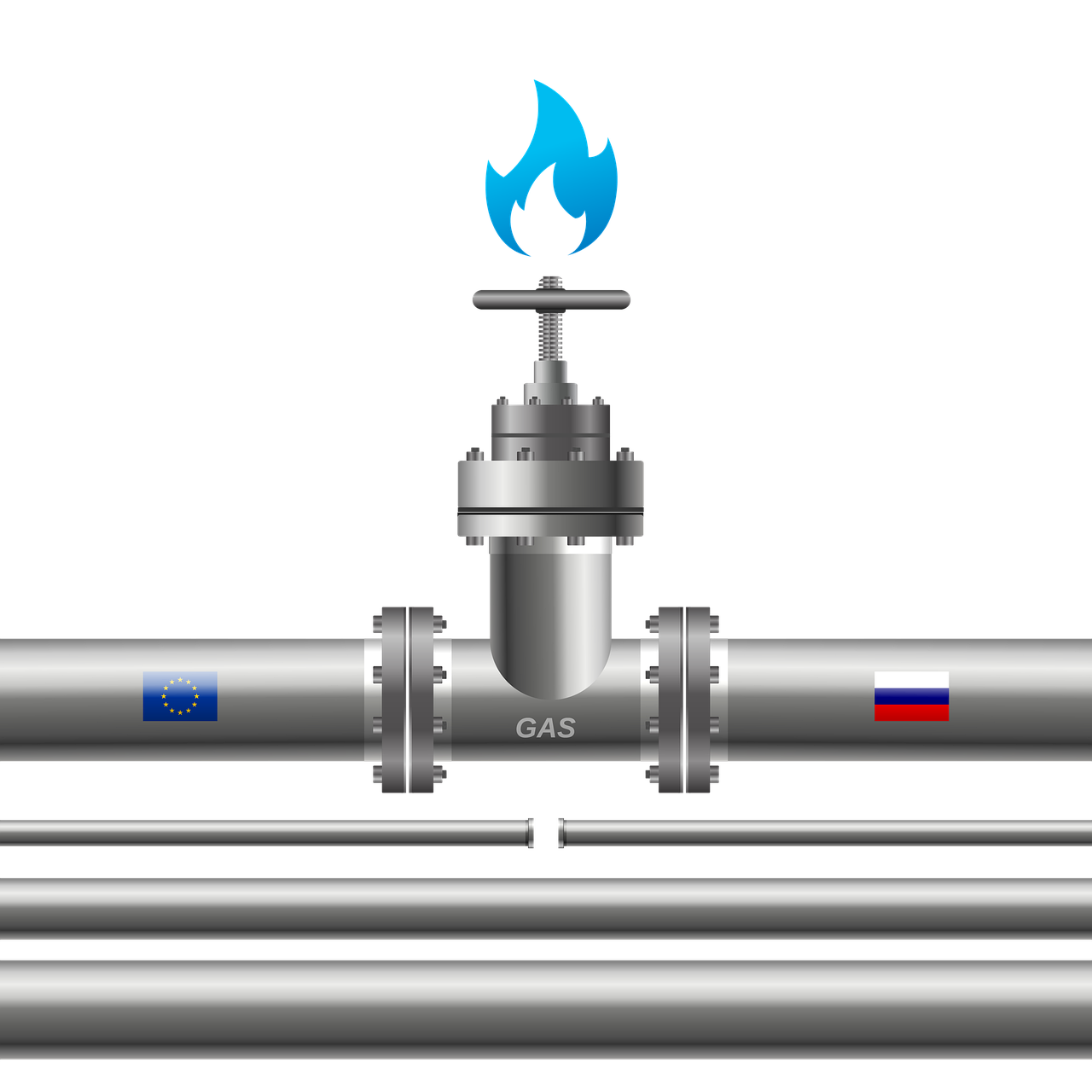

Sanctions Screening: A Critical Component of AML Compliance
Sanctions screening plays a vital role in Anti-Money Laundering (AML) compliance in financial institutions. It involves checking transactions and customers against government-issued sanctions lists. These lists help identify and prevent dealings with individuals or entities involved in illegal activities, such as terrorism or drug trafficking. Financial companies must have robust systems in place to conduct these screenings regularly to mitigate risk. Every failure to comply with these regulations can lead to severe penalties, reputational damage, and loss of customer trust. Therefore, it is essential to understand how sanctions screening works within the broader AML framework. Not only does this practice protect the financial institution’s integrity, but it is also a legal obligation. Many regulatory bodies enforce strict compliance measures which dictate how financial entities should operate. Subsequently, companies must ensure they are up to date with the latest sanctions lists. Furthermore, training personnel to navigate these processes effectively plays an equally important role in maintaining compliance and mitigating potential risks. A systematic approach is essential to manage this effectively. Overall, sanctions screening true is an indispensable element of effective AML compliance.
The sanctions list these financial institutions screen against is updated frequently, and therefore, continuous monitoring is critical. Institutions must utilize automated tools to facilitate this process efficiently. These tools help reduce manual labor and errors, which can occur during screenings. Many regulators encourage using advanced technology such as machine learning for better accuracy and efficiency in sanctions screening. Implementing automated procedures not only streamlines operations but also allows for real-time compliance checks. Institutions can seamlessly adapt to regulatory changes without significant disruptions. Additionally, institutions should involve legal teams to ensure that all sanctions lists comply with applicable laws and regulations. This helps in structural analysis and the identification of compliant frameworks while navigating complex international laws. Risk assessment methodologies should be part of the overall strategy as they help identify areas vulnerable to sanctions violations. Institutions also need training programs that encompass policy updates, enabling employees to stay informed. The focus should shift from merely checking a list to understanding the underlying risks. This proactive stance lays the groundwork for a compliance culture that enhances organizational resilience against financial crimes.
The Importance of Real-Time Monitoring
Real-time monitoring is crucial for effective sanctions screening in financial services. It allows institutions to make instantaneous decisions regarding transactions that could potentially involve sanctioned parties. This operational agility is essential in today’s fast-paced banking environment, where delays can lead to missed fraud detection and consequential financial losses. Automated systems specifically designed for real-time monitoring play a significant role. They enable banks and financial entities to scan transactions and customer information immediately upon occurrence. Further, these systems can flag suspicious activities for further review, which significantly enhances the overall due diligence process. Achieving compliance isn’t merely about screening; it requires an integrated approach incorporating compliance training, risk assessment, and ongoing enhancements of technology used for monitoring. Transparency within the screening processes fosters trust with stakeholders while ensuring compliance with regulations. This improves the institution’s reputation and builds client confidence. In light of increasing regulatory fines and public scrutiny, staying ahead through effective control mechanisms in sanctions screening is imperative. Institutions can safeguard their assets while avoiding negligence charges by investing in exemplary monitoring capabilities. Continuous improvement creates a more resilient financial system that can combat money laundering effectively.
Understanding the regulatory landscape is paramount for financial institutions involved in sanctions screening processes. Various regulatory agencies enforce a multitude of requirements that banks must follow. Comprehending these regulations ensures a better-structured compliance framework. Agencies like FinCEN in the United States, the Office of Foreign Assets Control (OFAC), and the European Union impose strict rules that demand constant vigilance. Failing to adhere to these guidelines can lead to severe penalties, including fines and restrictions on conducting business. Managers should constantly assess regulatory updates to ensure their compliance policies adapt accordingly. Regular consultation with legal advisors who are well-versed in financial regulations can provide insights into best practices. Additionally, financial institutions may opt for third-party consultants specializing in sanctions screening and compliance programs. This external perspective can help identify gaps while enhancing existing procedures. Education and training programs tailored to meet regulatory expectations can foster an environment of accountability. Workers should understand their roles in maintaining compliance and recognize the consequences of ineffective measures. Adaptation to evolving regulations ensures that institutions not only meet requirements but also contribute towards a more stable financial ecosystem.
Integrating Technology in Sanctions Screening
Integration of technology has significantly transformed the sanctions screening landscape. The adoption of artificial intelligence and machine learning algorithms enhances the accuracy and speed of these processes. Financial institutions can now utilize advanced systems that analyze customer data and transaction patterns, identifying red flags automatically. Moreover, these technologies reduce human errors that can lead to false positives or negatives. The effectiveness of these tools lies in their capability to learn from historical data, allowing for improved risk assessment over time. Institutions can also leverage big data analytics to enhance their surveillance capabilities, making it easier to sift through large volumes of information efficiently. Implementing such technology improves compliance while also reducing operational costs associated with manual checks. Furthermore, real-time alerts from these systems empower institutions to act swiftly and make informed decisions. Continuous assessments and evaluations of the technology used ensure that financial entities remain ahead of compliance challenges. Regulation changes necessitate adaptability; hence, institutions must ensure that technology evolves in tandem with regulatory environments and threats. Investing in technology not only serves compliance but also strengthens an institution’s reputation and capacity to manage risk effectively.
One of the essential components of effective sanctions screening programs is the training of personnel. Employees must be equipped with the necessary skills and knowledge to navigate complex compliance issues efficiently. Training programs should instill a strong understanding of relevant sanctions regulations and the appropriate use of technology for screening purposes. Regular workshops can help ensure that all personnel are up to date with the latest developments and technologies. Interactive sessions that incorporate case studies promote a more comprehensive understanding of risks and compliance measures. These programs should also place emphasis on the importance of documenting decisions during screenings, ensuring consistency, and proving due diligence. Furthermore, staff must be aware of the implications of failing to adhere to compliance protocols, both from a legal perspective and their positions within the organization. Regular feedback and assessment of training programs can help identify strengths and weaknesses, allowing for continuous improvement. This dedication to employee education fosters a culture of compliance that permeates the entire organization. A well-informed workforce helps combat money laundering effectively and contributes positively to the overall reputation and integrity of the institution.
Future Challenges in Sanctions Screening
As the landscape of financial crimes continues to evolve, future challenges in sanctions screening will also emerge. Financial institutions must remain vigilant in adapting their compliance strategies to tackle new methods employed by criminals. The increased use of digital currencies and blockchain technology presents a unique challenge for sanctions screening. Identifying the beneficiaries and sources of funds in these transactions can be complicated, necessitating enhanced monitoring and analytical tools. Additionally, the continuous development of international regulations complicates the compliance landscape. Each jurisdiction may implement distinct requirements that may not necessarily align with others. As a result, organizations must manage compliance across multiple regulatory frameworks simultaneously. The growing trend of globalization adds layers of complexity to the monitoring process, as institutions now deal with multinational transactions. Consequently, keeping abreast of all applicable regulations is imperative. Another challenge lies in data privacy laws that may inhibit the flow of information necessary for effective screening. The interplay between data protection and regulatory requirements necessitates a careful approach. Investing in technologies such as artificial intelligence can provide robust solutions to these impending challenges while ensuring a proper balance is maintained.
To sum up, sanctions screening remains a critical component of overall AML compliance for financial institutions. The challenges presented by evolving criminal tactics and regulatory environments require institutions to adopt proactive strategies. These include the integration of technology, investment in employee training, and systematizing real-time monitoring. The financial sector must recognize that staying compliant is a continuous process that demands unwavering diligence. Institutions need to adapt to changes while maintaining a culture of compliance that prioritizes integrity and ethical practices. A tailored approach that incorporates all necessary elements, from risk assessment to employee involvement, forms the foundation for an effective sanctions screening program. Furthermore, collaboration with regulatory bodies enhances transparency and accountability, fostering a consistent approach to compliance. By prioritizing these areas, financial firms can mitigate risks associated with financial crime effectively. The implications of non-compliance can be detrimental not only to the institution but also to the broader financial system. As regulations evolve, institutions that take a forward-thinking approach will likely emerge stronger and more resilient. In conclusion, sanctions screening is not just a regulatory requirement; it is a fundamental part of safeguarding the integrity of financial systems.