
Securing Mobile Trading Applications for Financial Markets
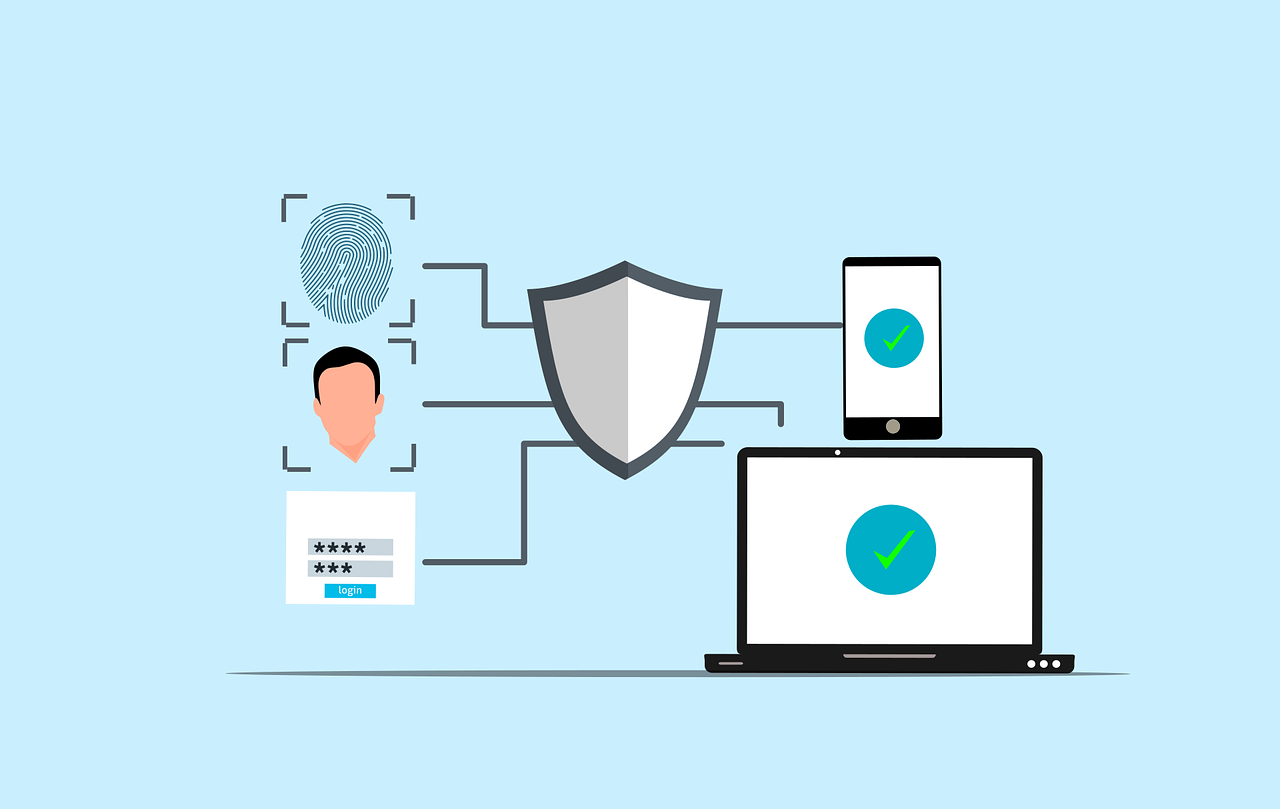
In the modern financial landscape, secure trading systems are paramount. With the explosive growth in mobile trading applications, there are heightened concerns about security threats. Financial professionals and investors rely on these platforms for real-time trading, which necessitates robust security measures. This demand entails the development of secure protocols and technology to protect sensitive data from breaches. Mobile applications often face unique challenges due to their reliance on internet connectivity and the variability of user security practices. For example, public Wi-Fi networks pose significant risks as hackers can easily intercept data. To mitigate such threats, it is imperative that organizations implement end-to-end encryption, ensuring that data transfers between the user and the platform are secure. Furthermore, the use of multi-factor authentication helps to prevent unauthorized access. Regular audits and vulnerability assessments should also play a vital role in identifying areas of weakness within mobile trading applications. By fostering a culture of security awareness and compliance among mobile traders, firms can significantly reduce the risk of data breaches and engender trust among users.
Security is crucial for maintaining user trust and engagement. As competitors in the financial markets increase, offering secure mobile trading solutions can set a firm apart. Utilizing advanced encryption technologies such as Advanced Encryption Standard (AES) ensures sensitive data remains unreadable to anyone except the intended recipient. Moreover, implementing biometric features such as fingerprint or facial recognition enhances transaction security. These technologies lessen the likelihood of identity theft, as only verified users can authorize actions on their accounts. Additionally, firms should routinely assess their software and hardware for any vulnerabilities, which would allow quick responses to discovered risks. Training staff about the latest cybersecurity trends helps maintain awareness and equip them with the tools necessary to identify potential threats. Financial institutions also need to comply with regulatory requirements, such as PCI DSS (Payment Card Industry Data Security Standard), to avoid fines and repercussions. Overall, a comprehensive approach that includes continuous education, strong technological foundations, and regular assessments is vital for the safe operation of mobile trading applications within the financial sector. This approach ultimately leads to enhanced user satisfaction, trust, and loyalty.
The role of emerging technologies cannot be understated when discussing secure mobile trading applications. Technologies such as artificial intelligence (AI) and machine learning (ML) are becoming integral during the security process. They help create predictive models to identify anomalous behaviors that could indicate fraud. For example, an unusual trading pattern from a specific user can trigger alerts for further investigation. This proactive approach allows for early detection of possible threats before any harm is done. AI-driven security features can efficiently analyze vast data volumes to recognize patterns and adapt security protocols accordingly. Moreover, integrating blockchain technology can enhance security due to its decentralized nature, making it more challenging for unauthorized parties to tamper with data. Smart contracts on blockchains can facilitate secure transactions, ensuring that all parties fulfill their obligations before a trade is executed. Collaboration with fintech innovators can result in more resilient mobile trading platforms. These technologies combined make it increasingly difficult for cybercriminals to exploit weaknesses in trading applications, ensuring the integrity and security of financial markets while enriching user experiences.
Regulatory Framework and Compliance
In financial markets, adherence to regulations is crucial for secure mobile trading applications. Regulatory bodies, such as the SEC (Securities and Exchange Commission) in the United States, set strict guidelines for how financial data should be handled. Compliance with these rules not only protects consumers but also mitigates risks associated with non-compliance. Financial institutions must stay updated on evolving regulations to adapt their practices accordingly. Implementing robust security measures and maintaining transparent operations goes a long way in fulfilling these requirements. Regular compliance audits can help identify potential issues before they turn into legal dilemmas. Organizations can foster a proactive compliance culture by training their staff about relevant legislations and best practices. This commitment extends not only to technical processes but also to ethical trading practices. Partnering with compliance experts provides additional insights into successfully navigating the legal landscape. Financial institutions that prioritize compliance in their mobile trading applications will foster consumer confidence, ensuring long-term success. By building these relationships, organizations can strategize on both security and meeting evolving regulatory demands, thereby fortifying their operations in dynamic financial environments.
One of the most effective methods to enhance security in mobile trading applications involves implementing strong user training programs. Many security breaches stem from human error, making user awareness and education paramount. Users must understand the risks associated with using mobile applications, including phishing attacks and how to recognize suspicious activities. Great training programs involve practical scenarios that help users internalize best practices for secure trading. Basic steps, such as regularly updating passwords and not sharing account information, should be emphasized. Additionally, informing users about the importance of keeping their mobile devices secure through anti-virus software can prevent malicious software from corrupting the application. Encouraging users to report any unusual activities independently can create a proactive environment where users feel in control of their financial data. Moreover, by fostering a sense of community through discussions and forums, traders can share their experiences and tips for ensuring mobile trading safety. This initiative will not only boost user security but also encourage collaboration among traders. Ultimately, a well-informed user base is the first line of defense against potential breaches.
The benefits of investing in secure mobile trading applications extend beyond immediate risk reduction. A secure platform enhances customer loyalty and retention, resulting in increased profitability. Users tend to appreciate platforms that prioritize their security, leading to positive word-of-mouth referrals. In today’s competitive financial markets, providing a safe trading experience can be a significant differentiator. Furthermore, strong security measures often lead to fewer interruptions in trading, resulting in higher user satisfaction. This level of reliability is critical in maintaining an edge over competitors. Additionally, secured applications tend to attract institutional investors, as they require stringent security to commit their assets. On the flip side, firms ignoring security risks may experience operational downtimes, compliance penalties, and reputational damage that ultimately affect their bottom line. Investing in security technologies and training can lead to significant long-term benefits, contributing to overall business growth. Ultimately, focusing on security becomes integral not just for compliance but as part of a broader corporate strategy. Financial institutions must take charge of their security to ensure their trading platforms meet both current and future demands.
Future Trends in Mobile Trading Security
The future of mobile trading security indicates an evolving landscape that requires continuous adaptation. As technology advances, hackers also employ sophisticated techniques to exploit vulnerabilities. Innovations such as quantum cryptography are emerging as potential game-changers in creating secure communication channels, providing a fantastic barrier against cyber threats. Additionally, the concept of zero-trust architecture gains traction, suggesting that no user, whether internal or external, should be trusted by default without stringent verification. This architecture allows for granular access controls, reducing the risks of breaching sensitive data. Furthermore, integrating augmented reality (AR) and virtual reality (VR) in trading can enhance user experiences while maintaining security through advanced biometric authentication. Regulatory bodies are also expected to evolve, imposing stricter guidelines to adapt to changing technologies. Collaboration between private and public sectors will be vital to stay ahead of threats. As financial institutions prepare for this landscape, a focus on innovation paired with robust security measures will be essential. The convergence of emerging technologies and compliant practices will ensure mobile trading applications are ready to withstand future challenges.
In conclusion, securing mobile trading applications in financial markets requires a multifaceted approach that encompasses technology, user training, and compliance. With the rapid evolution of threats, financial organizations must proactively invest in robust security solutions. Employing advanced technologies such as AI and blockchain, durable encryption standards, and regular audits fosters a culture of security within the organization. User awareness programs play a vital role in mitigating human errors that can lead to data breaches. By ensuring adherence to regulatory compliance, firms can protect themselves against legal repercussions while enhancing their credibility. The investment in secure mobile trading can’t merely be seen as a cost, but rather an essential element that drives user trust and satisfaction. As the market continues to change, leveraging future technologies will be critical in keeping trading applications secure. Organizations that prioritize security contribute to the stability and reliability of financial markets. Therefore, they must commit to developing their security frameworks that address both current and emerging challenges. By being proactive, firms can cultivate an ecosystem where security becomes synonymous with mobile trading, benefiting both users and businesses alike.