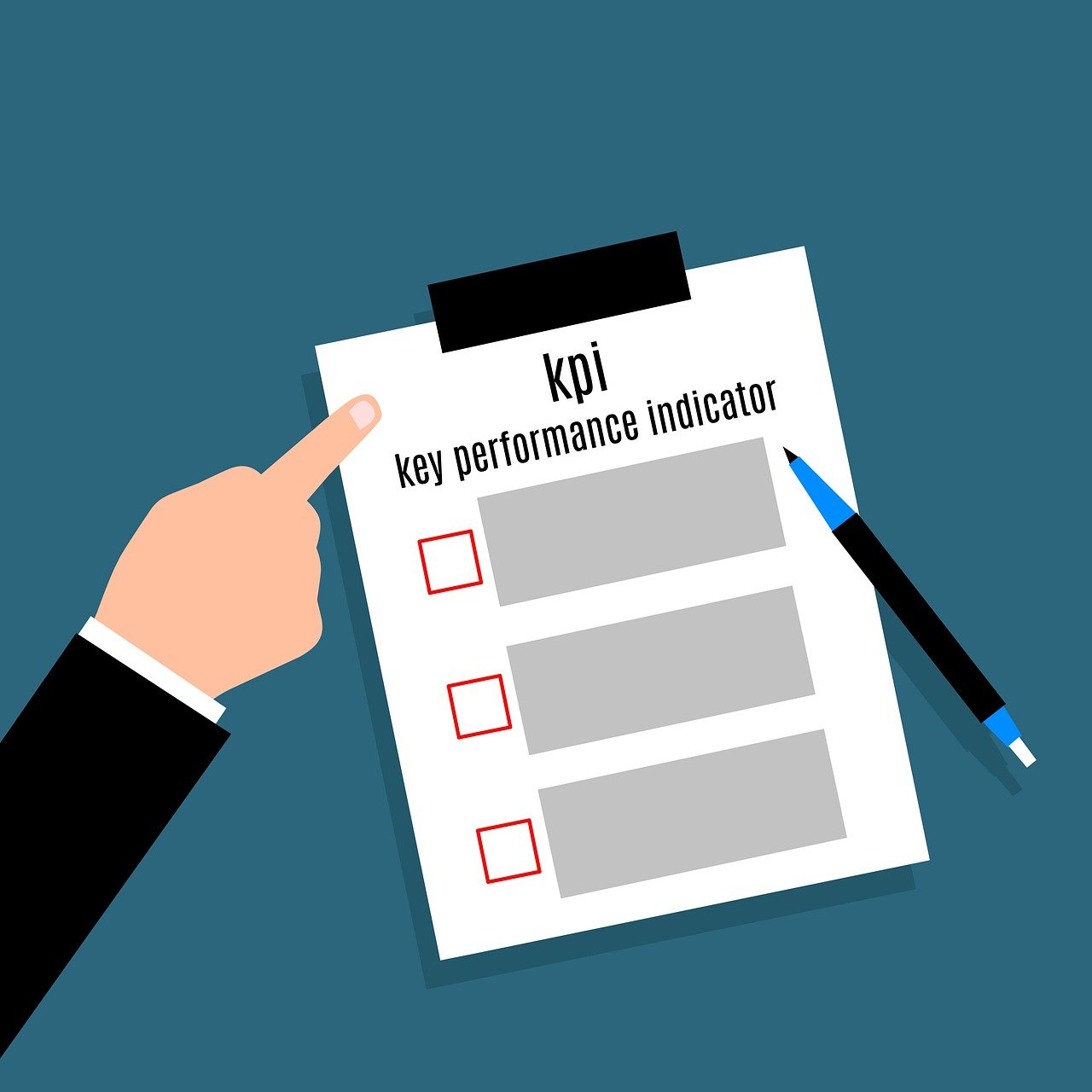

The Fundamentals of Performance Management Process Design
Performance management process design is a critical aspect of organizational success, contributing crucially to output and staff engagement. Key components include goal setting, performance appraisal, feedback mechanisms, and development plans. Organizations that prioritize effective performance management systems foster a culture of continuous improvement. The process begins with clear goal setting, ensuring all employees understand their roles and expected contributions. Set goals should align with the organization’s broader objectives, enhancing motivation and clarity. A well-defined performance appraisal framework is essential, providing structured evaluations of employee performance. Regular appraisals encourage accountability while identifying areas for improvement. Feedback mechanisms play a vital role as well, facilitating two-way communication between management and employees. Constructive feedback supports professional development and aids in achieving performance goals. Moreover, tailored development plans should be integrated. These plans identify training needs, offering employees opportunities for growth and skill enhancement. Effectively designed performance management systems can lead to higher employee satisfaction, reduced turnover, and improved organizational performance overall. With a strategic approach, companies can achieve better alignment of workforce capabilities with their strategic objectives, setting the stage for sustained organizational success.
To implement a successful performance management process, organizations must invest in well-structured training for both managers and employees on the system’s functionalities. Training covers areas such as goal setting, evaluation criteria, and the use of feedback tools. Various frameworks exist that businesses can utilize to implement performance management effectively, including the Balanced Scorecard and Management by Objectives (MBO). These frameworks help organizations align individual performance with strategic goals, tracking performance and pinpointing areas needing improvement. Engaging employees in their performance management can further enhance buy-in and motivation. Employees should feel their feedback is valued and that they play an active role in their development. Utilizing technology is increasingly important in performance management, allowing for easier tracking of goals and offering analytics for more informed decision-making. Tools such as performance management software can automate many aspects of the process, facilitating ongoing performance discussions throughout the year. This can lead to more interactive evaluations, breaking the annual cycle of traditional appraisals. Furthermore, embracing a coaching culture within organizations enhances performance management as leaders become guides to their teams and provide continuous support. The integration of these elements ensures that performance management becomes a cohesive and fluid part of company culture.
Measuring and Evaluating Performance Effectively
Measuring and evaluating employee performance is a crucial part of the performance management process, ensuring that all metrics align with organizational goals. Developing clear performance indicators is essential to track progress effectively. Key Performance Indicators (KPIs) should be established for various roles across the organization, making evaluation objective and measurable. In addition to quantitative metrics, qualitative assessments can offer a well-rounded view of employee contributions. This dual approach encourages fairness and transparency during evaluations. Besides regular performance appraisals, ongoing feedback ensures employees know how they are progressing. Consistent communication helps adjust performance expectations and fosters professional development throughout the year, rather than just during formal reviews. To maintain consistency, organizations should document performance regularly, creating a repository of performance data that can inform future evaluations. This documentation assists in recognizing patterns and trends within employee performance that may need attention. Moreover, organizations should emphasize employee self-assessments, empowering them to reflect on their achievements and areas for improvement. The inclusion of self-evaluations not only enhances engagement but also provides valuable insights into employee perspectives. Utilizing a comprehensive approach to measuring performance ensures alignment with the company’s strategic vision and enhances overall productivity.
The role of leadership in performance management cannot be overstated; thus, cultivating strong leadership capabilities is essential. Managers must be equipped with the skills to effectively lead performance management discussions, ensuring constructive feedback is provided and fostering a sense of responsibility and accountability. Training programs aimed at enhancing leadership communication, conflict resolution, and coaching skills are invaluable. Transparent conversations regarding performance help build trust and rapport with team members. Encouraging leaders to model desired behaviors reinforces the organization’s performance standards. Additionally, recognizing high performers through rewards and incentives can motivate others, creating a culture of excellence. Acknowledging achievements promotes engagement and encourages employees to reach their potential. Furthermore, incorporating diversity, equity, and inclusion into performance management processes is vital. By recognizing diverse perspectives, organizations can cultivate a more inclusive environment that welcomes and supports all employees. This leads to improved creativity and innovation among teams. Creating a culture that embraces diversity will attract and retain talent, contributing to long-term success. Performance management isn’t merely about evaluating output; it reinforces the organizational values that foster employee alignment with broader strategic goals while achieving sustainable results. Thus, an inclusive approach to performance management yields far-reaching benefits.
Technology in Performance Management
With the rapid advancement of technology, organizations are reevaluating how they approach performance management processes. The implementation of performance management software has transformed traditional methodologies, enhancing efficiency and accuracy in assessments. These platforms offer valuable analytics, allowing companies to track performance metrics in real time. Moreover, they facilitate continuous feedback cycles instead of waiting for annual reviews. Integrating technology helps streamline processes, reducing administrative burdens on HR and managers. As organizations increasingly adopt remote work, online performance management platforms ensure consistency across decentralized teams. Utilizing cloud-based systems for performance evaluations allows employees and managers to engage in virtual feedback sessions anytime, anywhere. Additionally, organizations can harness artificial intelligence (AI) to enhance performance management. AI can help analyze data and make predictions about employee performance trends. This capability enables leaders to develop insights that inform decision-making and identify potential areas for intervention. However, organizations must ensure they maintain a human element in the performance management process. Balancing technology with personal interaction is crucial, as this fosters relationships and builds rapport among teams. When combined strategically, technology and personalization create a cohesive performance management system that aligns with modern workforce dynamics.
In order to ensure performance management processes remain relevant and effective, organizations should regularly review and refine their strategies. Staying current with industry trends and best practices can uncover new insights into performance management. Regular assessments of existing systems and methodologies help validate their effectiveness in achieving business objectives. Gathering feedback from employees and managers on their experiences with the performance management process informs necessary adjustments. Organizations can adapt their systems based on this feedback, ensuring they address evolving needs and expectations in the workplace. Benchmarking against industry standards also plays a critical role in enhancing performance management practices. By comparing their performance management processes with industry leaders, organizations can identify strengths and areas for improvement. This practice ensures a competitive edge in attracting top talent and retaining high performers. Establishing clear timelines for performance management reviews encourages a proactive approach. Regularly scheduled evaluations allow for timely adjustments, keeping the process agile and responsive to changing business environments. Continuous learning is integral to performance management, promoting a culture that celebrates growth and adaptability. Organizations that commit to refining their performance management systems ultimately foster higher employee engagement and improved organizational performance.
The Future of Performance Management
The future of performance management is set to be quite dynamic, emphasizing collaboration, ongoing feedback, and adaptability. As workplace environments evolve, more organizations are recognizing the need for performance management systems that integrate seamlessly into daily workflows. The focus is shifting from traditional annual reviews to more frequent and informal check-ins that provide real-time feedback. This change supports agility and promotes a culture of learning among employees. Emphasis on employee well-being and mental health is becoming increasingly critical in performance management. Organizations that prioritize well-being initiatives, such as mental health days or wellness programs, contribute to job satisfaction and productivity. Adopting holistic approaches to performance management can improve the employee experience while enhancing performance outcomes. Incorporating psychological safety into performance management frameworks allows employees to feel safe expressing their thoughts and concerns without fear of repercussions. This environment fosters innovative thinking and encourages open dialogue. Furthermore, organizations can leverage data analytics to anticipate employee needs and personalize development plans. By tailoring performance management strategies to individual strengths and career aspirations, organizations will improve employee engagement. The future is bright for performance management, focusing on continuous improvement and creating inclusive, supportive environments that drive success.
In this context, effective performance management processes will be crucial in driving organizational success. Employers must develop strategies that align employee performance with organizational goals. Continuous employee development should be a priority alongside performance evaluations. Organizations that emphasize employee training and professional growth will earn a reputation as employers of choice. By investing in upskilling and reskilling, teams can adapt to changing market demands while increasing employee retention rates. Building a strong performance culture requires engaging employees at all levels of the organization. Engagement initiatives could include participatory goal-setting meetings, recognition programs, and mentorship opportunities. Consistency in feedback and evaluations fosters trust between management and employees, essential for successful performance management processes. Additionally, leveraging technology in these areas will enhance and streamline efforts, ensuring easier access to vital performance-related data. Embracing flexibility in performance management approaches fosters resilience and allows organizations to pivot quickly in response to change. As the business landscape continues to evolve, performance management will play a critical role in navigating challenges while promoting achievement. By cultivating a culture of agility and proactive adaptation, organizations can maintain a competitive edge while driving high performance among their teams.