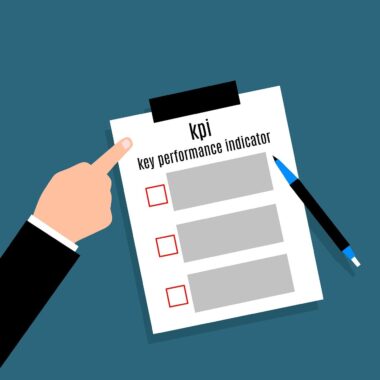

Using Customer Satisfaction Scores as an Organizational Performance Tool
Customer satisfaction scores are essential metrics that organizations rely on to evaluate their performance. These scores provide insights into how well a company meets customer expectations, serving as a reliable indicator of overall service quality. By tracking customer satisfaction, businesses can identify areas for improvement and gauge the effectiveness of their strategies. Regularly assessing these scores is vital for sustainability and ongoing success. Furthermore, customer feedback can highlight trends and preferences that influence product development and marketing approaches. Understanding customer satisfaction helps businesses tailor offerings that resonate with their target audience. High customer satisfaction can lead to increased loyalty, repeat business, and positive referrals. On the other hand, low scores can signal significant problems, necessitating immediate corrective action. Companies that prioritize customer feedback will often outperform competitors, reinforcing the need for satisfaction metrics in holistic performance management frameworks. Moreover, customer satisfaction scores can contribute to benchmarking efforts, allowing organizations to measure their progress against industry standards or best practices. In essence, these scores are not just numbers; they are strategic tools that drive decision-making and foster continuous improvement in organizational performance.
One critical advantage of utilizing customer satisfaction scores is their ability to align business objectives with customer expectations. By analyzing these scores, organizations can clarify their offerings and ensure they resonate with the market. This alignment is essential for achieving customer loyalty, which ultimately enhances revenue streams. Additionally, leveraging customer satisfaction as a performance metric can foster a customer-centric culture within the organization. This approach encourages staff to prioritize service excellence and strive for high-quality interactions. Regularly measuring satisfaction can lead to more motivated employees who recognize the impact of their efforts on customer perceptions. Furthermore, when organizations publicly share satisfaction scores, they build trust and transparency with consumers, enhancing their brand reputation. Effective communication about customer satisfaction results allows stakeholders to understand improvements and failings in a clear context. With the rise of social media, positive ratings can rapidly spread, amplifying their impact on sales and brand awareness. Conversely, negative feedback can harm an organization’s image, reinforcing the importance of proactive customer engagement. By adopting a comprehensive strategy that integrates feedback mechanisms, companies can ensure the continuous relevance of their customer satisfaction scores in shaping performance management goals.
The Role of Surveys in Gathering Customer Satisfaction Data
Surveys are a primary method for collecting customer satisfaction data. They provide structured ways to evaluate the customer experience and offer quantitative insights that organizations can analyze. Various survey types exist, including online surveys, phone interviews, and paper questionnaires, each tailored to meet specific business needs. Response rates can significantly influence result reliability, making it crucial for organizations to adopt best practices in survey design. Clarity and brevity in questions help minimize confusion and maximize participation. Moreover, incorporating open-ended questions allows customers to express more nuanced feedback that may not be captured through standard metrics. Using net promoter scores (NPS) is helpful for measuring customer loyalty and satisfaction with a single question regarding how likely they are to recommend the brand. Additionally, segmenting survey responses based on demographics, purchase history, or engagement levels can enrich the data interpretation. A higher response variety leads to more nuanced insights. Organizations should also consider executing surveys at different touchpoints within the customer journey, ensuring a comprehensive understanding of customer sentiments. Thus, surveys become powerful tools for using customer satisfaction information to improve overall organizational performance.
Furthermore, implementing technology to analyze customer satisfaction scores adds value to the insights gained from surveys. Data analytics tools allow organizations to track trends over time, enabling a dynamic approach to performance management. Automated systems can compile large datasets from multiple sources, leading to more accurate and comprehensive analyses. By collecting real-time feedback, organizations can respond more swiftly to issues, enhancing their agility and overall responsiveness. Many businesses now use sophisticated customer relationship management (CRM) systems that facilitate the gathering and processing of satisfaction data, leading to actionable insights. Real-time dashboards can display current satisfaction trends, assisting managers in making informed decisions. Moreover, organizations can deploy machine learning algorithms to predict future satisfaction based on historical data, driving proactive adjustments to their strategies. Integrating customer satisfaction scores with other performance metrics, such as operational efficiency or employee performance, creates a holistic view of organizational effectiveness. This multidimensional analysis helps leaders recognize which areas need attention. By combining different data points, organizations can create a more strategic roadmap for improvement, effectively enhancing overall performance and customer satisfaction levels.
Strategies to Improve Customer Satisfaction
Improving customer satisfaction involves implementing targeted strategies that resonate with customer needs. First, organizations should prioritize active listening, allowing customers to voice their concerns and suggestions. Regularly engaging with customers through feedback channels ensures that their opinions are valued and considered. Another strategy is investing in employee training to enhance customer service skills. Well-trained employees can effectively address customer inquiries and issues, creating positive interactions that lead to higher satisfaction. Furthermore, organizations can use customer feedback to innovate and refine their offerings. Understanding specific pain points allows businesses to customize products and services, ensuring they meet the evolving needs of consumers. Additionally, transparent communication regarding changes made based on feedback fosters trust and encourages ongoing dialogue. Many businesses find success in implementing loyalty programs that reward repeat customers, thereby increasing satisfaction and retention rates. Organizations should also monitor competitors to identify best practices and innovations in customer service that might enhance their satisfaction strategies. By maintaining an adaptive mindset, companies can continuously improve their offerings and positively influence customer satisfaction scores, ultimately achieving stronger organizational performance.
It’s essential to recognize the interplay between customer satisfaction and overall business performance. High satisfaction scores often correlate with improved profitability, as satisfied customers tend to make repeat purchases and recommend the brand to others. This direct link highlights the importance of prioritizing customer experience within organizational objectives. Furthermore, satisfied customers can act as brand ambassadors, creating organic growth through word-of-mouth marketing. As a result, organizations that invest in customer satisfaction not only enhance their reputation but also increase their market share. On the contrary, neglecting customer satisfaction can lead to increased churn rates, lower sales, and negative brand perception. To maintain a competitive edge, organizations must continually evaluate and adapt their strategies based on customer feedback and satisfaction scores. A proactive approach in addressing customer concerns fosters resilience amidst market changes and rising competition. Additionally, successful brands often share customer satisfaction success stories in their marketing efforts, reinforcing their commitment to excellence. By creating a culture that values customer input and prioritizes satisfaction, organizations can harness these metrics as vital tools for driving growth and consistency in performance management initiatives.
Conclusion: The Future of Customer Satisfaction in Performance Management
In conclusion, customer satisfaction scores are indispensable tools for evaluating organizational performance. As businesses navigate an increasingly competitive landscape, the role of customer satisfaction will continue to evolve. Integrating sophisticated analytics tools and technologies will allow organizations to gain real-time insights, improving their responsiveness to customer needs. Moreover, the rise of social media amplifies the importance of customer feedback and satisfaction scores, as online reviews play a crucial role in consumer decision-making. Organizations must adapt their performance management frameworks to include customer satisfaction data, driving a more holistic understanding of success. By cultivating a customer-centric culture, businesses can leverage satisfaction scores as tools for innovation and growth. Future strategies will undoubtedly involve more personalized customer interactions, utilizing AI and data analytics to offer tailor-made solutions. Ultimately, organizations focusing on building and maintaining high customer satisfaction will attain enduring success and a robust competitive advantage. To stay ahead, businesses should continually assess performance, refine their strategies, and prioritize customer voices in their organizational decision-making. In doing so, customer satisfaction will elevate from a metric to a core aspect of performance management.
In summary, using customer satisfaction scores as a performance management tool is essential for organizations. These scores provide invaluable insights, helping companies align their operations with customer needs. The systematic collection, analysis, and application of satisfaction data can drive significant improvements across all levels of an organization. Through dedicated efforts to enhance customer experiences, companies foster loyalty, drive repeat business, and benefit from positive word-of-mouth referrals. By focusing on customer satisfaction, organizations can enhance their overall performance sustainability, reinforcing the importance of adopting robust performance management practices.