
Understanding Crowdfunding Regulations in North America
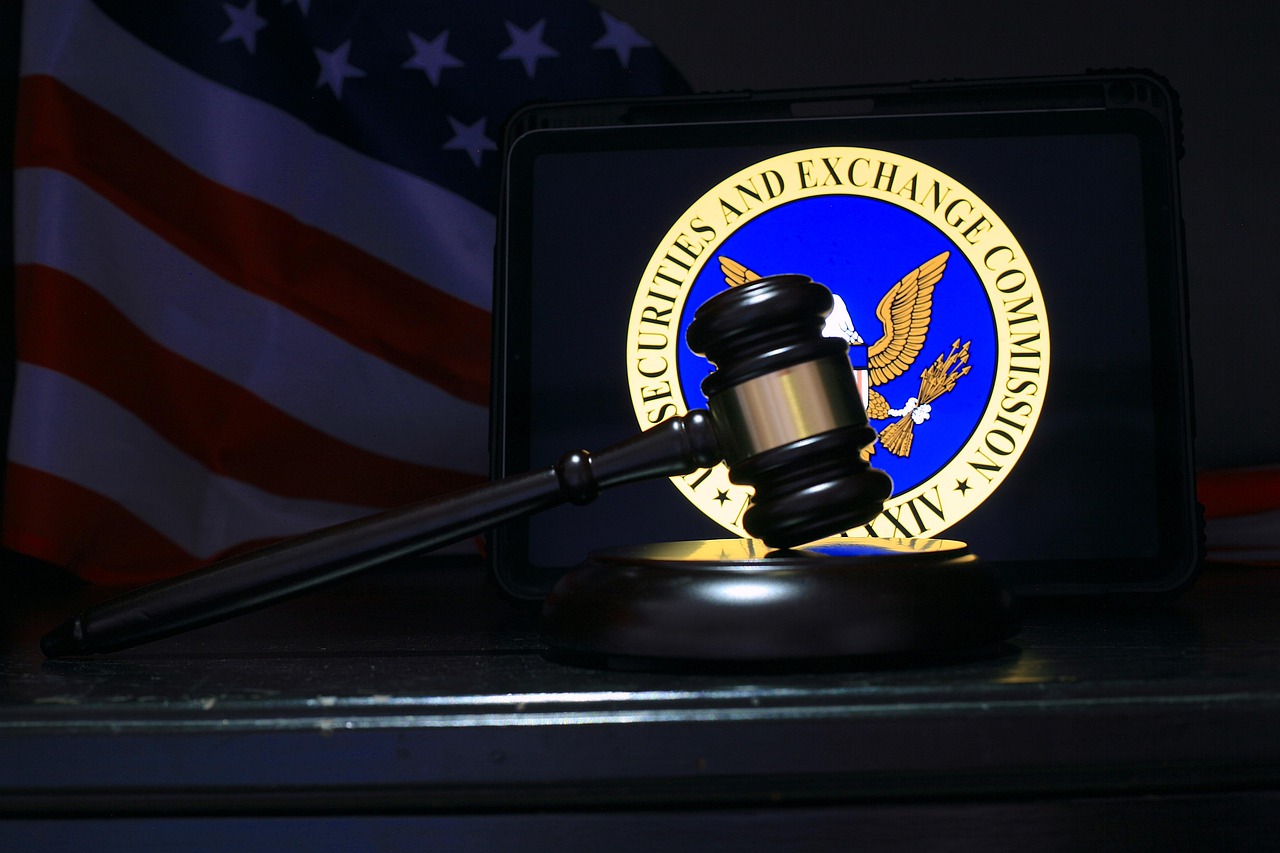
Crowdfunding has gained immense popularity in North America, leading to the establishment of various regulations. In the United States, the Securities and Exchange Commission (SEC) oversees crowdfunding activities, ensuring compliance with laws that protect investors. The Jumpstart Our Business Startups (JOBS) Act, passed in 2012, was a significant step towards regulating crowdfunding platforms. It allowed smaller companies to raise funds from the general public, thus democratizing access to capital. Crowdfunding can be particularly beneficial for entrepreneurs looking to mitigate risks associated with traditional funding routes. Understanding these regulations is vital for both issuers and investors to navigate this complex landscape. Different states may have unique rules that add to the regulatory environment. It’s essential for both platforms and contributors to stay informed about these state-specific regulations. Noncompliance can lead to severe penalties, including fines and restrictions on operating. Furthermore, proper disclosure of information is mandatory to ensure transparency. The evolution of these regulations aims to foster innovation while safeguarding the interests of all parties involved in crowdfunding initiatives. Hence, understanding regulations becomes crucial for successful funding endeavors.
In Canada, crowdfunding regulations are also developing rapidly, influenced by the demands of a growing marketplace. The Canadian Securities Administrators (CSA) have established a harmonized regulatory framework that governs crowdfunding activities across provinces. These regulations allow businesses to raise funds through online platforms while providing protections for investors. One critical aspect of the Canadian framework is the limitation on how much individuals can invest in a crowdfunding campaign, which varies by the income and net worth of the investor. The regulations aim to enhance investor protection while still promoting entrepreneurship, making crowdfunding an attractive option for Canadians. Crowdfunding in Canada must comply with securities laws, and platforms need to be registered to operate legally. The various provinces may implement additional guidelines that platforms should adhere to. Like in the U.S., transparency and disclosure of campaign details are of utmost importance. This additional layer of regulation can help build trust among potential investors. As the market evolves, continual adjustments to regulations are likely to occur, ensuring they remain relevant and effective in protecting both investors and issuers. Knowledge of these regulations is imperative for anyone interested in participating.
The Role of International Regulations
Examining international crowdfunding regulations can provide insights into best practices for North America. Countries such as the UK, Australia, and several European nations have established comprehensive regulatory frameworks that guide crowdfunding operations. These international standards can influence regulatory approaches in North America. For example, the UK has a robust regulatory system governed by the Financial Conduct Authority (FCA) that ensures investor protection while encouraging market growth. The complexity of these international regulations emphasizes the need for North American platforms to learn from their global counterparts. Analyzing how varied jurisdictions manage investor limits, disclosure requirements, and the regulatory role each authority plays can be invaluable. By adopting successful policies from other regions, North America can enhance its own crowdfunding practices. Global insights can lead to more cohesive, robust regulations that encourage investment and empower entrepreneurs. Furthermore, harmonizing international and domestic regulations may facilitate cross-border crowdfunding activities, which are increasingly popular. This connectivity can open new avenues for funding while requiring meticulous attention to compliance with different legal frameworks.
The impact of technological advancements on crowdfunding regulations cannot be overstated. Blockchain technology and cryptocurrencies have begun to play a significant role in crowdfunding initiatives, prompting regulatory bodies to reevaluate existing frameworks. These advancements present both opportunities and challenges for regulators. Innovative funding mechanisms, such as Initial Coin Offerings (ICOs) and Security Token Offerings (STOs), require distinct regulatory responses to safeguard investors while promoting innovation. The SEC and other regulatory authorities are in the process of developing guidelines to address these emerging technologies. Platforms wishing to integrate blockchain technology must ensure they comply with current regulations while adapting to new legal requirements. This evolving landscape requires participants to stay abreast of technological trends as they relate to regulations. Understanding how technological innovation fits into existing legal frameworks is essential, as it can dramatically alter the crowdfunding landscape. Moreover, investor education is critical to help individuals navigate these complex offerings safely. Thus, a multifaceted approach to regulation, informed by both innovation and investor protection, will be imperative for sustainable growth in crowdfunding.
Challenges in Compliance
Compliance with crowdfunding regulations can pose significant challenges for entrepreneurs and platforms alike. Many startups may lack the resources or expertise to navigate the intricate legal landscape established by various state and federal laws. Legal fees and compliance costs can discourage innovative projects from seeking crowdfunding as their primary funding source. Furthermore, the constantly evolving nature of regulations can lead to ambiguity and confusion for new entrants into the market. Many entrepreneurs might simply be unaware of their obligations under the law, leading to potential noncompliance. To mitigate these challenges, startups often seek legal advice or partner with experienced crowdfunding platforms that are well-versed in regulatory expectations. Educational resources that simplify the regulatory process for stakeholders are also crucial in promoting compliance. Moreover, regulatory agencies can benefit from implementing transparent communication strategies, enabling easier access to vital information. By addressing these compliance challenges, the crowdfunding ecosystem can flourish, thereby supporting entrepreneurs effectively while maintaining necessary investor protections. Striking this balance will be essential for the sustainable growth of crowdfunding across North America.
The future of crowdfunding regulations in North America appears promising, yet it’s intertwined with ongoing legislative developments. As the crowdfunding industry continues to mature, the focus will increasingly shift toward establishing regulatory frameworks that adapt to changing trends. Policymakers understand that fostering innovation while safeguarding investors is crucial for industry growth. There is a growing consensus around the necessity for more clarity in regulations, especially concerning technological advancements such as blockchain and cryptocurrencies. Nevertheless, aligning regulations with the rapidly evolving market landscape poses significant challenges. Continuous dialogue among regulators, industry leaders, and stakeholders will be essential in creating a supportive environment for crowdfunding to thrive. The role of educational initiatives cannot be overlooked, as they can elevate the understanding of crowdfunding regulations among all participants. As regulatory strategies evolve, they will need to incorporate insights from successful international models, adapting them to fit the North American context. The next few years will likely see further updates and changes in regulations. The ultimate goal will be to build a balanced regulatory approach that promotes economic activity through crowdfunding while protecting the interests of investors and innovators.
Conclusion
Understanding crowdfunding regulations in North America is essential for businesses and investors aiming to engage in this evolving fundraising mechanism. Navigating the complex regulatory environment requires awareness of federal and state laws, as well as an understanding of how these may change in the future. Compliance is not just about adhering to rules; it’s about fostering trust and transparency among all parties in crowdfunding initiatives. Entrepreneurs must remain informed about their obligations, while platforms should support them by providing guidance and resources geared towards compliance. Educating investors about their rights and potential risks is equally vital. A well-regulated crowdfunding ecosystem can encourage more individuals to invest in innovative startups, thus driving economic growth. As the landscape continues evolving, collaboration between regulators and industry participants will be critical in ensuring sustainable growth in crowdfunding. Thus, all stakeholders must commit to understanding the regulatory framework to successfully harness the potential of crowdfunding, making informed decisions that align with current and future regulations. Ultimately, this knowledge will empower both investors and startups to navigate the crowdfunding landscape effectively.
In summary, the crowdfunding regulatory landscape in North America reflects its growing importance and influence in the broader financial ecosystem. As regulations continue to evolve, entrepreneurs and investors must stay educated and informed about the legalities of crowdfunding. This vigilance ensures that they can take advantage of opportunities while maintaining compliance and protecting their interests. The collaborative effort between regulatory bodies, platforms, and users will shape the future of crowdfunding. Facilitating innovation through thoughtful regulations can lead to a more vibrant and sustainable crowdfunding ecosystem. In conclusion, understanding and navigating these regulations are necessary steps toward realizing the full potential of crowdfunding for all participants.