
Best Practices for Creating Strong Passwords in Online Banking
When it comes to securing your online banking, establishing a robust password is fundamental. A strong password acts as the first line of defense against unauthorized access. Choosing a simple word or name is insufficient. Instead, aim for a password that includes a mix of uppercase letters, lowercase letters, numbers, and special characters. Length is equally important; consider a password that is at least twelve characters long. To remember complex passwords, think of using phrases or sentences that are easy for you to recall but difficult for others to guess. Avoid using easily obtainable personal information such as your name, birthday, or common words. Additionally, implementing two-factor authentication can significantly enhance your security measures. Two-factor authentication requires not just a password but an additional form of identification, adding another layer of defense. Consider using a reputable password manager to store and generate passwords for you. These tools can help create random, strong passwords and manage them securely. In doing so, you can reduce the chances of a data breach and safeguard your financial information.
Remember to change your passwords regularly to maintain security. Even a strong password can become compromised over time. Set reminders to update your passwords at least every six months. When changing your passwords, it is advisable to avoid reusing old ones, as this can make accessing your accounts easier for cybercriminals. Make it a habit to review your security settings for all your online banking services periodically. Many banks offer alerts for suspicious activities. Take advantage of these features to protect your assets. Additionally, you might consider using security questions that are hard to guess. Often, users select answers that are easily found online, like their mother’s maiden name. Choose questions that don’t pertain to personal information available on social media. Furthermore, ensure that your banking application is up-to-date to take advantage of the latest security enhancements. Developers frequently release updates to patch vulnerabilities. Keeping both your mobile device and the banking app updated mitigates the risk of cyber threats. Staying proactive ensures your online banking remains secure from various digital threats.
The Importance of Unique Passwords
Every online account should have a unique password. This makes it significantly more challenging for an attacker to gain access to multiple accounts if one password is compromised. Using the same password across different sites can be incredibly risky. If a hacker acquires that password, they can potentially access all your accounts, including your banking information. To address this issue, employing a password manager becomes crucial. A password manager can create unique, complex passwords for each site, ensuring high security without the need for memorization. This might seem cumbersome, but it greatly reduces the risk of password recycling. Additionally, remember that password creation is not a one-time process; consistent reevaluation is necessary. Regularly audit your passwords for strength and uniqueness. Use tools available online that measure password strength and provide assessments. Investigate whether your emails have been involved in known data breaches using websites like “Have I Been Pwned?”. Being proactive allows you to take immediate action if necessary. Establishing unique and strong passwords for key accounts can protect your financial wellbeing and personal information.
Employing multifactor authentication (MFA) is essential in today’s digital ecosystem. In multifactor authentication, two or more independent credentials are used to verify your identity. This strengthens the overall security of your bank account when paired with a strong password. Your bank may offer various forms of MFA: mobile apps, text messages, or email verifications are common methods for this purpose. Choose the method that you find most convenient, but ensure it adds an extra layer of protection to your login. Ensuring that you are the only person accessing your account makes it harder for fraudsters to gain access. Stay aware of phishing attempts designed to trick you into giving away your credentials. Always double-check URLs before entering any sensitive information, especially on banking websites. Be wary of unsolicited emails or texts asking for your personal data. By exercising caution and being vigilant, you can further enhance your online security. Create a habit of inspecting the website’s security certificate as well before logging in. Knowing what an official banking site looks like can safeguard you against many scams.
Final Thoughts on Password Security
Password security should never be underestimated when it comes to online banking. With the rise of cyber threats, adopting best practices is crucial. Strong passwords combined with unique identifiers can significantly lower the chances of unauthorized access to your accounts. Always remember that the power lies in your hands. Use the knowledge available to create resilient passwords and secure your financial data. Education about online security practices serves as an additional backbone alongside technological solutions. Stay updated on trends in cybercrime to remain one step ahead of potential threats. Sharing experiences and knowledge with others about password safety can foster a more secure online community. Explore and implement various security techniques and tools available on the market. Invest in education, whether through course materials or workshops that focus on cybersecurity. Encourage proper password practices within your family to extend safety beyond just your accounts. Raising awareness will contribute to collective security, thereby minimizing vulnerabilities. Maintaining diligence in password security and online banking should be an ongoing effort.
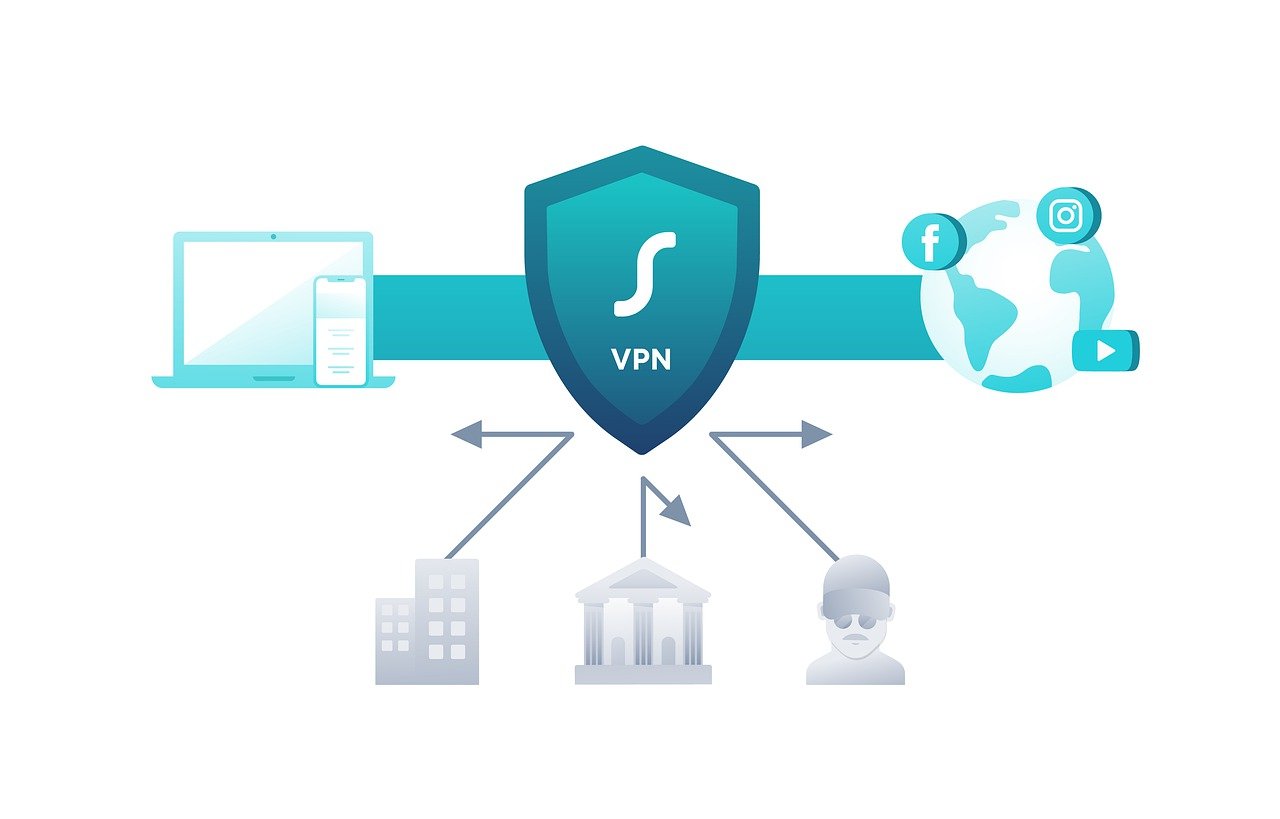
Lastly, always maintain an emergency plan in case your banking information gets compromised. Know the steps to follow, such as how to lock your accounts and notify your bank promptly. Understand the importance of monitoring your financial statements regularly to catch discrepancies early on. Using alerts provided by your financial institutions can serve as an additional safeguard. These alerts notify you of any unusual activities that may arise. They act as a quick response mechanism that can limit your losses. Always use a secure internet connection while accessing your online banking account as well. Avoid public Wi-Fi networks for such transactions, as they are usually less secure and can expose you to potential threats. Use a virtual private network (VPN) if necessary for secure browsing. Finally, continually assess your overall online security posture to ensure it aligns with current best practices. Keeping your digital information secure should evolve with the current technological landscape. By diligently working towards achieving high standards of password security, you can enjoy peace of mind.
The digital world is rapidly evolving, and so are the threats that come with it. The banking sector continues to adapt its security protocols to meet these challenges head on. Staying updated with new security features offered by banks, like biometric verification, can enhance your security level. Similar to how passwords must evolve, so must your strategies to stay safe. The practice of creating strong online banking passwords is just the tip of the iceberg. A comprehensive approach that incorporates various security measures will go much further. The importance of resilience—both in password creation and maintaining security—cannot be overstated. Engage frequently in discussions about online security, whether with colleagues or in community forums, to learn and share new insights. By taking these steps, you’ll not only protect your own assets but also contribute to a better secured online banking environment for everyone. Ultimately, making password security a priority ensures that your financial data remains out of reach from hackers and safe for personal use.
Utilizing these password security practices will greatly reduce your exposure to potential threats, particularly with online banking activities. Identity theft can occur if basic security measures are not upheld. When in doubt, refer back to these essential guidelines as a roadmap for your password security efforts. By taking action today, you will build a secure fortress around your online banking accounts. Trust in the power of strong, unique passwords, combined with multi-factor authentication, to guard your financial well-being. Understanding what constitutes a secure password will empower you. Engaging in continual education about new practices will also contribute to better security habits. Remember, the more informed you are, the more capable you are of protecting your data. Your comfort and peace of mind depend on proactive measures taken today. Never underestimate the importance of security resources available online. Whether it’s articles, tutorials, or videos, educating yourself is indispensable. Practicing these habits consistently will create a safer online banking experience.