
Hedging Against Inflation with Commodities
As inflation affects purchasing power and financial stability, many investors seek ways to protect their assets. Commodities trading offers an effective strategy for hedging against inflation. The approach involves investing in physical goods such as metals, energy, and agricultural products, which tend to increase in value during inflationary periods. These assets do not rely solely on monetary policies or economic cycles, making them a unique hedge. Investors can diversify portfolios by including commodities, which often exhibit low correlations with traditional assets like stocks and bonds. This diversification helps in reducing overall investment risks. Commodities can be acquired through several methods, including direct purchases, futures contracts, or commodity-focused exchange-traded funds (ETFs). Futures contracts allow purchasers to lock in prices for commodities today with delivery at a future date. This practice can provide significant benefits in volatile markets. Additionally, active management, inventory control, and thorough research help traders maximize their returns. As inflationary pressures mount, understanding how to effectively integrate commodities into an investment strategy is crucial for achieving financial stability. Keeping abreast of market trends enables informed decisions concerning timing and selection of commodities for your portfolio.
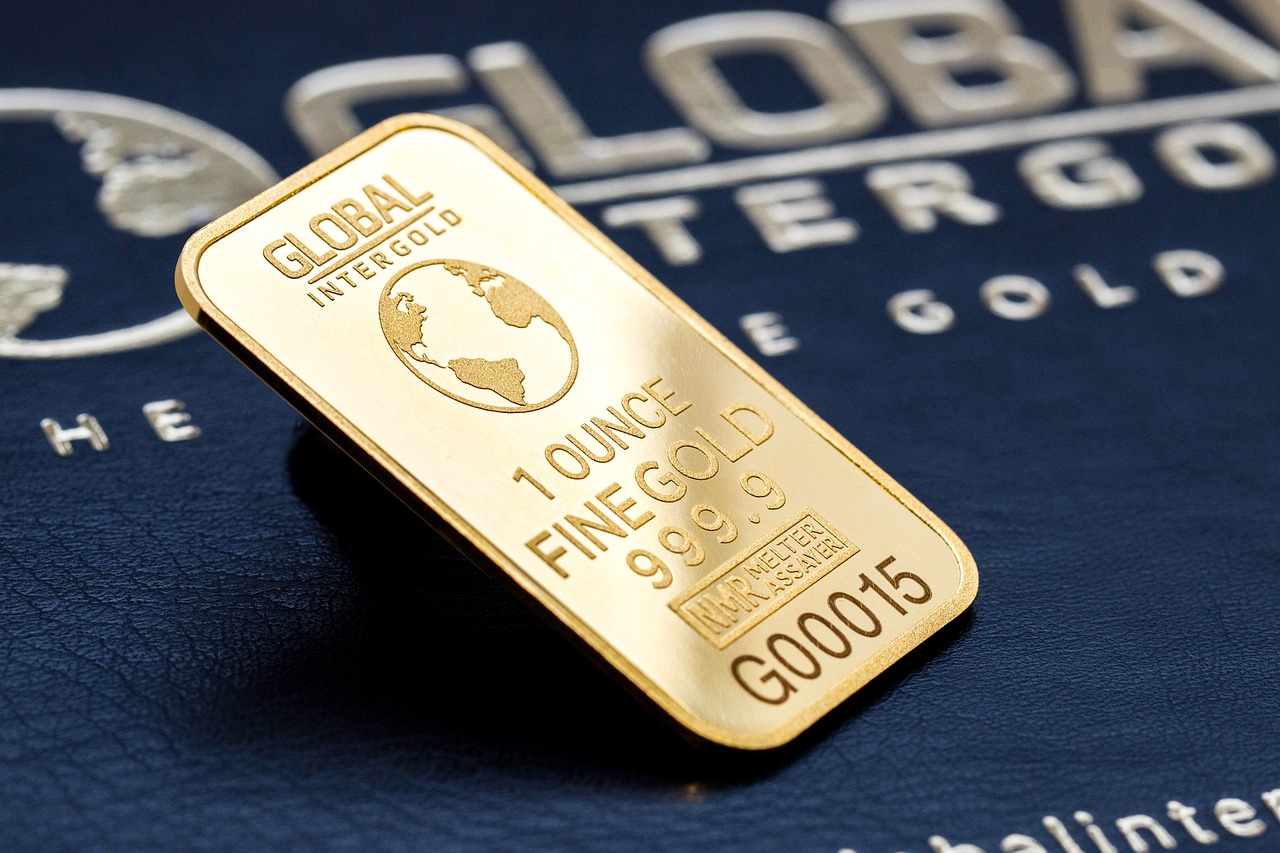
The first step in hedging with commodities involves selecting the right type of assets. Precious metals like gold and silver are traditional hedges against inflation, serving as safe-haven assets for investors. Gold, specifically, has been viewed as a reliable currency and store of value for centuries. During periods of economic uncertainty, gold prices typically rise as demand increases. On the other hand, energy commodities like oil and natural gas can also serve as valuable hedges. Their prices often correlate with rising inflation as global demand escalates. Agricultural commodities like wheat, corn, and soybeans have other dynamics, often tied to supply chain issues and climate factors. Understanding these fundamental drivers can help traders maximize returns while managing inflation risks. Moreover, it’s crucial to be aware of geopolitical factors influencing commodity prices. For instance, conflicts in oil-rich regions or droughts affecting agricultural output can cause price fluctuations. Investors should conduct thorough research to stay informed about industry trends. Utilizing tools like technical analysis and leveraging news resources can provide insights into potential price movements, ensuring that traders are equipped to make informed decisions when participating in the commodities market.
Strategies for Commodity Investment
With multiple ways to invest in commodities, employing a structured approach is essential. One popular method is through ETFs that offer exposure to a diversified basket of commodities. These funds track the price of specific commodities or commodity indices, thereby allowing investors to gain access without dealing directly with physical assets. Another approach includes investing in mutual funds specializing in commodities or futures contracts. These vehicles can provide additional expertise and management to navigate the complexities of the commodities market. Moreover, participating in futures trading is another effective way to hedge against inflation. Futures contracts facilitate the purchase and sale of commodities at predetermined prices. However, investors should be aware of the risks, as leverage can lead to significant losses. It’s critical to have a robust risk management strategy to protect investments. Techniques such as setting stop-loss orders can minimize risks when market movements are unpredictable. Furthermore, diversifying across multiple commodity sectors can significantly reduce risks related to price volatility. This strategy involves spreading investments across precious metals, energy, and agricultural commodities, ensuring that potential downturns in one sector do not adversely impact the entire portfolio.
In addition to strategic investment options, understanding the impact of economic indicators on commodity prices is vital. For instance, rising production costs, changes in consumer demand, and geopolitical tensions can significantly influence prices. Analyzing reports such as the Consumer Price Index (CPI) helps investors anticipate inflation trends. As inflation rises, investment in commodities becomes increasingly attractive, particularly in an uncertain economic environment. Moreover, tracking global supply chain issues is essential when investing in agricultural commodities. Weather conditions, trade policies, and transportation logistics can considerably affect supply levels. For example, a drought may lead to higher prices for agricultural products due to reduced harvests. Similarly, fluctuations in oil prices can impact transportation costs across various industries. Monitoring these variables helps investors make more informed decisions about positioning their portfolios. Additionally, staying updated with financial news and market analysis can provide insight into shifts and market sentiment. Knowledge of the broader economic landscape can assist traders in time-sensitive decision-making processes. This strategic awareness is a crucial factor in succeeding as a commodities trader, especially in inflationary environments.
Risks Involved in Commodities Trading
While commodities offer potential benefits, they come with inherent risks that traders must navigate. Price volatility is one of the primary risks associated with commodities trading. Factors such as weather patterns, geopolitical developments, and changes in global demand can lead to fluctuating prices. This unpredictability can create challenges for investors looking to capitalize on market movements. Additionally, trading costs can impact overall profitability. The expenses incurred from transaction fees, management fees, and storage costs for physical commodities can add up, eating into potential returns. Investors should conduct a thorough cost analysis before diving into commodity trading. Furthermore, leveraging futures contracts magnifies both potential gains and losses. Therefore, effective risk management practices become paramount. Traders should consider establishing a stop-loss order, which automatically sells a position when it reaches a certain loss threshold. This approach can mitigate substantial losses during times of high volatility. Additionally, being aware of market timing and sentiment can further guide trading decisions for investors. In light of market uncertainties, securing a well-planned risk management strategy allows investors to adopt a more resilient approach to commodities trading.
Another essential aspect of commodities trading is the significance of market research. Keeping a vigilant eye on financial news, economic reports, and industry developments gives traders a competitive advantage. By staying ahead of market sentiment, investors can make timely and informed choices regarding commodity investments. For instance, monitoring the U.S. Federal Reserve’s policies can offer insights into future inflation expectations. Changes in interest rates may significantly affect commodities, as they influence the dollar’s strength. As the dollar weakens, commodities generally become more attractive to foreign investors. Additionally, understanding seasonal trends can provide valuable insights into agricultural commodities. For example, certain crops experience price increases during specific planting or harvest seasons. Capitalizing on these trends can enhance returns based on historical patterns. Furthermore, using technical analysis tools can identify potential entry and exit points for trades. Tools such as moving averages, trend lines, and price patterns can assist traders in making data-driven decisions. Leveraging various analysis techniques, along with consistently updating market knowledge, can significantly improve the chances of successful trading on the commodities exchange.
Conclusion
In conclusion, commodities trading serves as a powerful tool for hedging against inflation and ensuring financial stability. By diversifying portfolios with assets like precious metals, energy, and agricultural goods, investors can mitigate risks associated with inflationary pressures. Implementing strategies such as investing in ETFs, futures contracts, and mutual funds allows investors to capitalize on the unique benefits that commodities offer. Additionally, comprehending the economic factors affecting commodity prices provides traders with the insights needed to make informed decisions. Effective risk management practices are essential to navigate the inherent volatility associated with these markets. Market research, sentiment analysis, and technical analysis tools can elevate a trader’s success. As economic conditions evolve, being proactive and adaptable enables investors to make the best use of their holdings. Ultimately, those looking to protect their investments against inflation should consider incorporating commodities into their portfolio strategy. As inflation rises, the demand for commodities may increase, ensuring that those savvy enough to invest will reap the benefits. Through careful selection and risk management, traders can thrive in the commodities marketplace.
The future of commodities trading looks promising, especially in light of increasing interest from institutional investors and technological advancements. Innovations such as blockchain technology have the potential to enhance transparency, reduce costs, and improve efficiencies within the trading ecosystem. Additionally, the evolution of digital platforms has made commodities trading more accessible to retail investors. With a growing number of online brokerage platforms available, investors can trade commodities with ease. Furthermore, many platforms offer educational resources, enabling novice traders to learn the foundations of commodity investing. As the global economy continues to evolve, commodities may play an increasingly integral role in diversified investment strategies. The ongoing demand for essential goods, like energy and food, underscores the importance of commodities in hedge strategies. Moreover, environmental sustainability and the transition to renewable energy sources could alter how commodity markets develop in the future. Keeping an eye on these trends and adjusting investment strategies accordingly will likely be key to success. Finally, recognizing the complexities of this market, successful investors will prioritize education and remain adaptable to capitalize on changing dynamics.