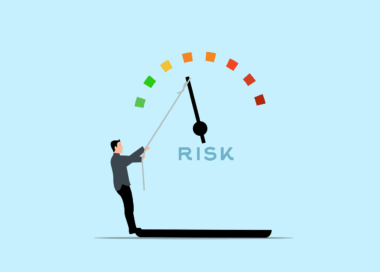

The Financial Impact of Health and Safety Incidents
The financial repercussions of health and safety incidents are profound and multifaceted. These incidents can severely impact an organization’s financial stability, reputation, and operational efficiency. First, there are direct costs associated with these incidents, such as medical expenses, workers’ compensation claims, and legal fees. Additionally, indirect costs can arise from lost productivity, employee training, and increased insurance premiums. Overall, organizations are often blindsided by the extent of these hidden costs. It is essential for companies to proactively manage health and safety risks to mitigate financial impacts. Implementing comprehensive safety programs significantly reduces the likelihood of incidents. Moreover, investing in worker training can lead to a more aware and safer workplace. Organizations should also consider the potential for regulatory fines and penalties that arise from non-compliance with health and safety laws. Foster a culture prioritizing safety can manifest in fewer incidents, ultimately enhancing productivity and employee morale. Thus, understanding the financial burdens of health and safety incidents is crucial for sustainable operations.
When evaluating the financial implications of health and safety incidents, it’s critical to review the cost of inaction. This aspect underscores the importance of establishing a robust safety management system. When organizations neglect safety training and measures, they risk accidents, which can lead to devastating monetary losses. Research indicates that companies that prioritize health and safety typically experience fewer accidents, saving money in the long term. By enhancing workplace safety programs, companies also exhibit a commitment to employee welfare. Additionally, stakeholders view organizations with strong safety records favorably, potentially impacting investments and partnerships. Therefore, achieving compliance with health and safety regulations should be viewed not merely as a legal obligation but as a strategic financial decision. Implementing effective risk assessments and interventions can prevent costly incidents from occurring. Furthermore, organizations should regularly audit their safety procedures to identify areas for improvement. Establishing an effective internal reporting system encourages employees to voice concerns and report hazards promptly. Overall, the clear articulation of these values can instill trust among employees and clients alike, further increasing a company’s bottom line.
The Role of Training in Risk Management
Training is paramount in managing health and safety risks effectively and reducing financial exposure. One critical component of any safety program is the implementation of regular training for all employees, ensuring they understand the policies and procedures necessary for maintaining safe work environments. Investing in health and safety training cultivates a knowledgeable workforce capable of identifying hazards promptly. This proactive approach not only protects employees but also saves organizations from potential financial losses due to incidents. Additionally, certified training programs provide employees with the skill set to respond to emergencies, therefore minimizing injury and damage costs. Regularly scheduled refresher courses can reinforce safety principles and keep them top of mind. Moreover, organizations should tailor training programs to address specific workplace hazards effectively. Engaging employees in safety drills and simulations can enhance their readiness and confidence to act in emergencies. Links to relevant OSHA training resources can enhance training initiatives further. Thus, making health and safety training an integral part of the organizational culture can have lasting financial benefits.
Furthermore, the financial impact of health and safety incidents is not limited to immediate costs; long-term effects can persist for years. Organizations must consider the reputational damage caused by safety breaches. A robust safety record enhances a company’s brand image, attracting clients and talent. Conversely, incidents can tarnish an organization’s reputation, resulting in a loss of business opportunities and diminished employee morale. Legal ramifications can compound these financial strains, with lawsuits impacting company resources and financial forecasts. When calculating risks, organizations should factor in potential legal fees, settlements, and damaged relationships with clients and partners. Civil penalties can also arise from failing to uphold safety standards, resulting in further financial losses. When stakeholders perceive an organization as unsafe, trust diminishes, impacting long-term relationships. Proactively addressing health and safety risks can bolster an organization’s reputation. Companies can foster social responsibility by implementing effective safety protocols. This responsibility encourages consumer loyalty and enhances employee retention, ultimately leading to a healthier bottom line. Establishing a reputation for safety can differentiate a company in a competitive market.
Strategies for Minimizing Financial Loss
To minimize the financial impacts of health and safety incidents, organizations should adopt a multifaceted approach that encompasses prevention, education, and engagement. Engaging employees is crucial for fostering a culture of safety. Periodically conducting risk assessments enables organizations to identify potential hazards before they escalate into costly incidents. Utilizing technology can streamline reporting processes and enhance communication regarding hazards. By leveraging software tools, organizations can document incidents and maintain compliance records efficiently. Additionally, integrating health and safety into business strategies can lead to substantial financial rewards. Regular management review meetings focused on safety performance help ensure that health and safety considerations remain a priority. Furthermore, establishing clear communication channels allows employees to voice safety concerns freely. Cultivating this kind of open dialogue encourages proactive participation in safety initiatives. Furthermore, reward systems can incentivize safe behaviors among employees. Public recognition for compliance can further motivate workers to adhere to safety protocols consistently. As such, organizations can benefit from reduced incidents and lower costs associated with health and safety risks. Continuous improvement systems should also be in place to adapt to the evolving landscape of workplace safety.
Moreover, financial impacts can extend beyond the immediate company environment, affecting wider communities as well. Organizations must recognize that health and safety incidents can have repercussions that ripple through the economy. Accidents that affect employees can lead to increased healthcare costs, impacting local economies. Consequently, organizations that invest in preventive measures contribute to the wellbeing of their communities. Collaborating with local stakeholders can enhance safety measures while fostering positive community relations. By engaging in local health and safety initiatives, organizations can build a reputation for being community-oriented and responsible. This outreach strengthens trust between the organization and the community, ultimately benefiting both parties. Working closely with regulatory bodies and industry associations can also provide companies with insights into best practices and emerging trends. These networks facilitate the exchange of information and resources, aiding in crafting effective risk management strategies. Additionally, sharing success stories and lessons learned can amplify the collective impact on safety initiatives. Therefore, understanding the broader financial implications of health and safety incidents reinforces the significance of proactive risk management efforts.
Conclusion
In conclusion, the financial impact of health and safety incidents can be profound for organizations. By prioritizing safety management and implementing effective training programs, organizations can significantly minimize the risk of incidents occurring. Coupled with a commitment to fostering a culture of safety, organizations can protect not only their finances but also their reputation in the industry. Comprehensive risk assessments, proactive reporting systems, and community collaboration can amplify the benefits of health and safety initiatives. Investing in health and safety is not just a regulatory requirement; it is a strategic financial decision that yields long-term rewards. As we move forward, organizations must embrace safety as a core value within their operational framework. The emphasis on safety culture sets the stage for enhancing profit margins while safeguarding employee well-being. Organizations stand to benefit in multiple dimensions, including cost savings, enhanced productivity, and improved employee morale. By treating safety as an integral part of business operations, companies can secure their future in a competitive marketplace. Prioritizing health and safety investments is essential to realize sustained growth and establishment in an ever-evolving business landscape.