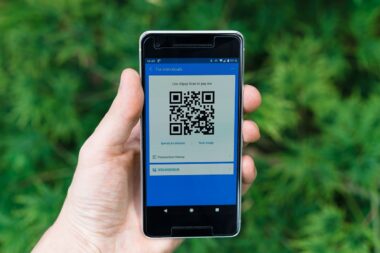

Understanding the Lifecycle of a Payment Token
Payment tokenization is a powerful security mechanism heavily utilized in digital payment systems. This process substitutes sensitive card information with a unique, randomly generated token that is non-sensitive and has no exploitable value. Tokenization helps prevent data breaches as card details are not stored with the merchant but instead held securely by the payment processor. The lifecycle of a payment token involves multiple stages, beginning from the moment a customer initiates a transaction. At this point, the tokenization service generates a token from the sensitive data. This token is then used to facilitate the transaction without revealing any actual card details. As a result, both consumers and merchants can conduct transactions with elevated security. By employing tokenization, businesses can maintain consumer trust while complying with stringent regulations such as PCI DSS, which mandates that sensitive information is adequately protected. Furthermore, this method enables companies to mitigate the risk of data theft, ultimately leading to enhanced customer satisfaction. Overall, understanding tokenization is crucial for both businesses and consumers in the digital payment landscape.
The next stage in the lifecycle of a payment token is the processing phase, where the token is transmitted through various payment networks. When the customer completes the transaction, the token, rather than the actual card details, is sent to the payment processor. The processor verifies the transaction by mapping the token back to the original card information stored securely within its systems. This mapping is crucial; without it, the processor cannot charge the customer or approve merchant payment. Security protocols such as encryption and tokenization help to ensure that the transaction remains secure throughout its lifecycle. This two-step verification process greatly reduces instances of fraud, enhancing the security of the payment ecosystem. In addition, tokenization allows companies to improve their customer experience by enabling a faster checkout process since consumers do not need to input sensitive card information every time they make a purchase. Ultimately, tokenization is not just about enhancing security; it is also about streamlining the transaction process for both businesses and customers. This aspect of tokenization is helping shape the future of digital payments.
Storage and Management of Tokens
After the processing phase, the next critical stage in the lifecycle is the storage and management of the generated tokens. Unlike sensitive card information, tokens are stored in secure vaults specifically designed for this purpose. These vaults use advanced encryption methods to safeguard the tokens against unauthorized access or breaches. The management process involves monitoring token usage, creating a system for token lifecycle events, and ensuring tokens are updated or invalidated when necessary. This level of diligence ensures the integrity and longevity of the tokens in the payment ecosystem. In addition, it allows businesses to analyze transaction data, as tokens are often embedded with transaction history that can provide insights into consumer behavior. Security is paramount in this phase; leading tokenization frameworks adopt stringent compliance standards to minimize risks associated with card fraud. Overall, the secure storage and management of tokens play a pivotal role in ensuring both effective transaction handling and consumer trust in digital payment methods. Organizations that understand this phase can better secure their operations and enhance customer loyalty, a crucial advantage in today’s competitive environment.
As the lifecycle of a payment token continues, the next phase is token expiration and renewal. Tokens are designed to have a limited lifespan, promoting additional security through their periodic expiration. This is crucial in maintaining system integrity and reducing the risk of fraud. When tokens expire, they must be replaced with new ones, reminding merchants and customers of the importance of ongoing security practices. During the renewal phase, businesses must ensure that expired tokens are invalidated immediately, allowing new tokens to be generated. This ensures that even if an expired token were compromised, it would have no value. Additionally, businesses need to communicate these changes to consumers effectively; they may need to re-enter payment details or confirm their approach regarding tokenized transactions. Implementing robust token management solutions can streamline this process, making it smoother for consumers while minimizing disruptions during transactions. Companies that take prompt action can continue fostering a secure payment environment that protects sensitive information and builds user trust. Regularly reviewing the token management system is also vital; this ensures it meets ongoing security challenges as technology evolves.
Benefits of Tokenization
The benefits of tokenization in payments extend beyond just security. By abstracting the sensitive card information, businesses can minimize their PCI compliance scope significantly. Compliance with PCI DSS can be complex, expensive, and time-consuming, but tokenization reduces that burden considerably. Fewer data security concerns facilitate a more streamlined compliance process and allow companies to focus their resources on innovation rather than meeting regulatory demands. Furthermore, tokenization enhances customer confidence as they can complete transactions without fearing data exposure. Customers are more likely to use services that prioritize their privacy and safeguard their information. Besides enhancing security and compliance, tokenization encourages cross-channel interactivity. For instance, customized marketing campaigns can be designed using aggregated token data, creating a personalized shopping experience tailored to consumer preferences. This fosters loyalty while increasing sales potential. Moreover, tokenization supports digital wallets and payment methods like Apple Pay and Google Pay, where consumers are transitioning towards mobile transactions. Businesses adopting tokenization are paving the way for seamless integration into the modern payment ecosystem, ensuring they remain competitive in a rapidly evolving digital market.
While the benefits of tokenization in payments are clear, challenges also arise in its implementation. One major concern is the initial setup cost for businesses looking to adopt tokenization solutions. The integration of advanced tokenization systems may require significant financial investment and technical expertise. Training staff and updating payment infrastructure can also pose hurdles for some organizations, especially smaller businesses. However, these challenges must be weighed against long-term security and operational efficiencies gained through tokenization. Another challenge is ensuring interoperability between different payment systems. With numerous payment processors and methods available today, achieving a seamless transfer of tokens can be complex. Developing industry standards for tokenization can help mitigate such issues, encouraging a more unified approach toward secure digital payments. Additionally, constant vigilance against evolving threats is essential; thus organizations must regularly audit their tokenization systems. Collaboration among industry stakeholders can lead to better solutions and standards that ensure robust token management. By addressing these challenges proactively, businesses can leverage the full potential of tokenization for secure transactions while upholding customer trust and satisfaction.
The Future of Tokenization in Payments
Looking ahead, the future of tokenization in payments appears promising and essential. As the digital payment landscape evolves, so too will the technologies that ensure security for consumers and businesses alike. With advancements in artificial intelligence and machine learning, there are opportunities for enhanced fraud detection and prevention measures through tokenization strategies. Leveraging these technologies means businesses can analyze transaction patterns in real-time, allowing quicker response time to potential security threats. This agile approach can help maintain consumer trust while facilitating seamless transaction experiences. Additionally, as new payment methods and systems are developed, the scalability of tokenization solutions will become increasingly vital. Businesses must invest in adaptive tokenization frameworks that can smoothly integrate various payment options, ensuring token management remains effective across platforms. Moreover, consumer preferences continue to shift towards mobile and contactless payment methods; thus, tokenization will play a key role in enabling secure transactions in this space. In conclusion, the future of tokenization is not just about security but also about creating efficient, user-friendly experiences that meet evolving consumer expectations in an increasingly digital marketplace.
In summary, understanding the lifecycle of a payment token is critical for all stakeholders in the digital payment ecosystem. As technology progresses, so does the need for innovative security mechanisms that protect sensitive information while providing optimal transaction experiences. Tokenization stands out as a vital process that encapsulates multiple stages, from generation, exchange, storage, renewal, to eventual expiration. By embracing tokenization, businesses can secure consumer trust and navigate the complexities of compliance seamlessly, all while fostering an environment that is resistant to fraud. This makes tokenization not just a protective measure but rather a strategic advantage in the competitive digital landscape. Moreover, the benefits of tokenization, such as reduced PCI compliance burden, improved customer confidence, and enhanced personalized experiences, are invaluable for businesses aiming for growth. Future developments in this area will continue to enhance both security and efficiency, paving the way for more secure payment solutions. Therefore, it is imperative for businesses to remain informed and prepared to adopt evolving tokenization practices as they become integral to digital commerce. This proactive approach will ensure sustainability and success in the dynamic world of digital payments.