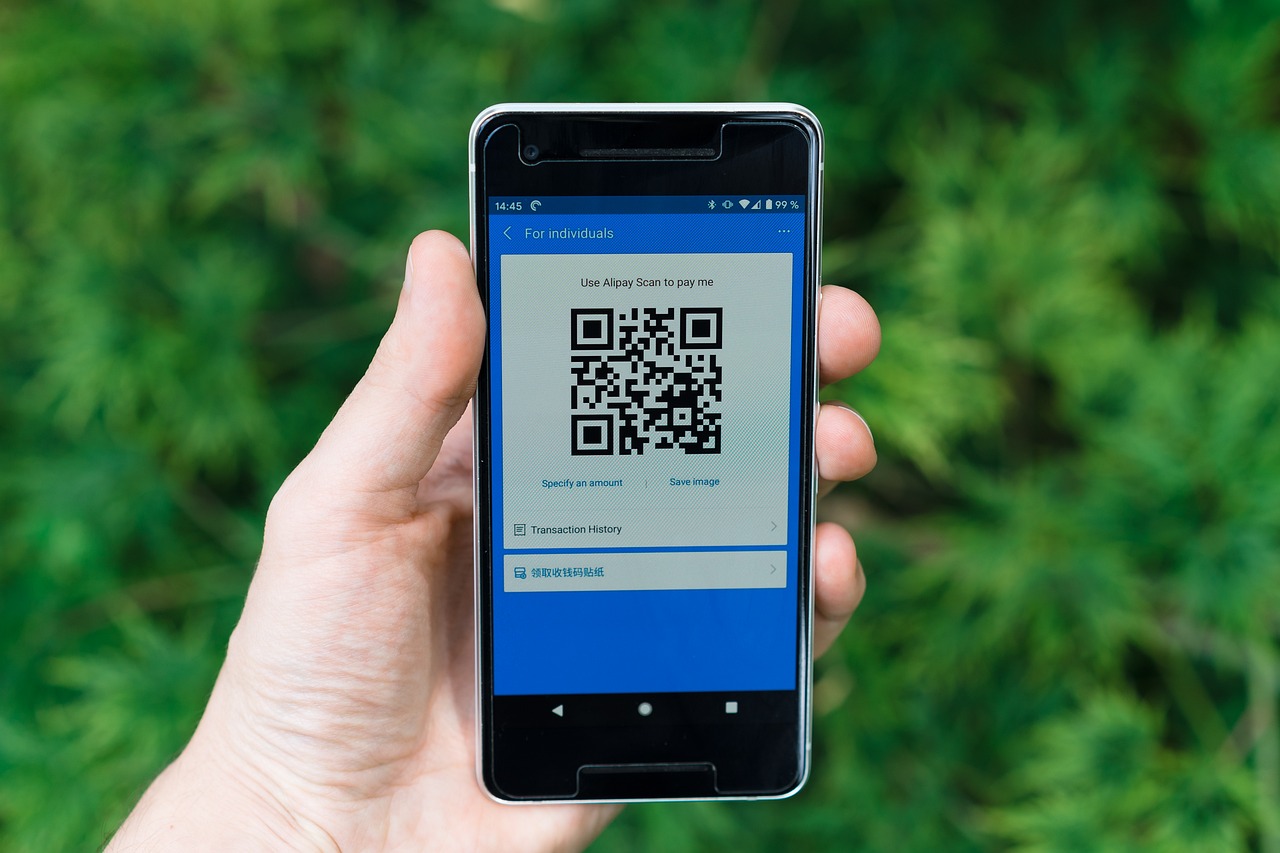

Evolution of QR Code Payments: From Novelties to Necessities
The landscape of payment methods has changed significantly, especially with the introduction of QR codes. Initially seen as a quirky technology, QR codes have evolved into a critical payment solution in recent years. The push towards cashless transactions accelerated the adoption of QR codes. These codes allow customers to make payments quickly and securely using their smartphones. Merchants benefit too as they eliminate the need for expensive point-of-sale hardware. As digital wallets become more prevalent, consumers have started to embrace QR codes for their convenience. It’s vital to understand how QR code payments gained popularity and the dynamics that propelled their growth. Businesses are beginning to integrate QR payment systems within their operations, providing seamless transaction experiences. In densely populated areas, QR codes reduce physical contact, thus promoting hygiene during transactions. As this tech continues to integrate with existing financial systems, evaluating the transformative role of QR codes in enhancing digital payments becomes essential. This article delves into how QR code payments transitioned from being a novelty to a necessity for businesses and consumers alike, highlighting key points that underline this evolution.
The surge in mobile device usage has played a substantial role in the increased acceptance of QR code payments. As smartphones became ubiquitous, consumers found them useful tools for making quick purchases and managing financial transactions. This normalization of technology made scanning QR codes a familiar action, prompting retailers to adopt this payment method. Companies like Square and PayPal have also played a significant role by offering QR code solutions that allow merchants to set up easy payment options without hefty fees. The versatility of these codes means that whether dining at a restaurant, purchasing groceries, or shopping online, QR codes efficiently facilitate transactions. Additionally, during global events like the COVID-19 pandemic, contactless payments became vital. People sought alternatives to cash and cards, and QR codes catered to these needs seamlessly. An essential component of the widespread adoption involves trust and security. Present-day QR code systems include encryption and robust security measures, further reassuring consumers. Therefore, the increasing reliance on smartphones coupled with technological advancements has ensured QR code payments transition smoothly into the financial mainstream, paving the way for a cashless future.
Advantages of QR Code Payments
One undeniable advantage of QR code payments is their simplicity. Users only need a smartphone with a camera to scan the QR code and the payment can be completed within seconds. This ease of use appeals to both consumers and businesses, freeing up time and reducing queues at retail outlets. Furthermore, no specialized hardware is necessary for businesses to accept payments, lowering the barrier for entry for smaller merchants. Another key benefit is the ability to integrate QR codes into marketing strategies, allowing brands to direct consumers to promotional offers or loyalty programs seamlessly. The digital nature of QR codes allows for easy tracking and data collection, enabling businesses to gather insights on their customers’ spending habits. Additionally, QR codes offer a secure transaction method, reducing the risks associated with card fraud. Many QR payment solutions employ encryption and tokenization to safeguard user data. As digital transactions gain acceptance, the opportunities presented by QR code payments continue to grow, presenting merchants a way to enhance customer experience. Thus, the blend of convenience, security, and marketing opportunities position QR codes as a significant force in the financial technology landscape.
Digital wallets have also significantly contributed to the proliferation of QR code payment systems among consumers. Major platforms like Apple Pay, Google Pay, and Samsung Pay support QR code transactions, streamlining the payment process and making it more accessible. Users can store multiple payment methods within their wallets, making transactions faster and eliminating the need to carry multiple cards. Retailers, in turn, are motivated to invest in QR code systems as they pave the way for various promotional activities. For example, special discounts can be offered to users who complete transactions via QR codes, incentivizing customers to adopt this method. As merchants begin to embrace these systems, the habit-forming nature for users fosters consistent usage and builds trust in the payment method. Moreover, cross-border transactions have also been simplified thanks to QR codes. Tourists can pay using local currencies without dealing with cash conversions. Businesses engaging in international commerce find QR code systems valuable for their efficiency and reliability in processing payments quickly across various markets. Overall, the coalescence of digital wallets with QR payments is a burgeoning trend.
Challenges Ahead for QR Code Payments
Despite the promising growth trajectory of QR code payments, several challenges persist that could impact further adoption. A significant concern is the risk of cyber attacks, as fraudsters develop sophisticated methods to exploit vulnerabilities. Users must remain vigilant, as malicious QR codes can lead to phishing sites or unsecured transactions that compromise sensitive data. Manufacturers and software developers must prioritize enhancing security features. Furthermore, there remains a digital divide; not everyone has access to smartphones or the internet, limiting the usage of QR code payments. This is especially true in rural or underdeveloped areas where traditional cash transactions still dominate. Additionally, consumer education is crucial for effective utilization. Users must understand how to safely scan and transact using QR codes to minimize risks. Merchants similarly need training to implement systems robustly. Maintaining a user-friendly approach is vital since any complexity could deter potential users. Lastly, regulatory frameworks are still catching up with rapid technological advancements, necessitating consistent updates. By addressing these challenges comprehensively, stakeholders can enhance user experience and further secure the environment surrounding QR payments.
The future of QR code payments looks promising as technology continues advancing. Innovations such as the integration of AI and machine learning can help identify fraudulent activities in real-time. As systems become more automated, back-end processes will streamline transactions, benefiting both consumers and businesses. Furthermore, beyond payment transactions, QR codes are expanding their functionality into areas like customer management and product tracking. Future developments might include the ability to provide personalized recommendations based on previous purchases linked with user accounts. Additionally, the rise of cryptocurrencies is likely to influence QR code applications, as digital currencies gain traction across payment platforms. QR codes allow consumers to transact in multiple currencies seamlessly, bridging traditional and decentralized finance. The shift towards a cashless society encourages ongoing development at the forefront of financial technology, including regulatory updates and enhanced features to accommodate user needs. Consequently, the combination of emerging technologies with QR codes will likely inspire innovative solutions in the payments landscape, pushing boundaries and reshaping consumer experiences. As these advancements unfold, it’s imperative to closely monitor the evolving role of QR codes in the overall digital payment ecosystem.
Conclusion
In summary, QR code payments have transformed from a novelty into a necessity in today’s fast-paced digital world. The convergence of mobile technology, contactless payment preferences, and the ease of integration into existing systems has made QR codes attractive to consumers and businesses alike. Furthermore, as consumer behaviors shift, businesses that adapt to these changes will capture a larger market share. The emphasis on convenience, speed, and security ensures that QR code payments will remain relevant well into the future. As the financial landscape continues to evolve, QR codes will likely be integral in shaping digital transactions, offering a seamless blend of functionality and accessibility. By continuously innovating, educating users, and addressing challenges, stakeholders in the financial technology sector can bolster trust and drive widespread acceptance. QR code payments represent more than just a passing trend; they embody a significant shift towards cashless transactions that is inherently reshaping consumer interactions. Moving forward, a collective commitment to enhancing this technology will be crucial. By leveraging the full potential of QR codes, we can envision a future where payments are instantaneous, secure, and universally accessible.
As QR code payments gain prevalence, recognizing their role within the broader fintech ecosystem is essential. Their integration with mobile wallets and broader payment platforms showcases an evolution in how consumers interact with their finances. This transformative journey signals a shift towards more dynamic and agile financial solutions. By capitalizing on the growing trend of digital payments, businesses can adapt and thrive in this competitive landscape, catering to a tech-savvy customer base. The collaboration between technology providers and financial institutions will result in swift advancements in QR code payment systems. As we move further into a cashless society, understanding the trends and best practices for implementing QR codes will be crucial for merchants aiming to keep up with consumer preferences. Enhancing the consumer experience must remain a priority. The QR code revolution will continue to shape the future of payments, with the technology evolving to meet emerging consumer demands.