
Improving Stakeholder Communication with Credit Risk Reporting Dashboards
Effective communication is crucial in credit risk management, which helps strengthen stakeholder relationships. Credit risk reporting dashboards serve an essential role by transforming data into actionable insights. These dashboards allow stakeholders to visualize important metrics quickly. Instead of sifting through endless spreadsheets, stakeholders can access real-time data summaries tailored to their needs. This streamlines decision-making processes, enhancing transparency across departments. Dashboards can encapsulate various risk factors, such as default rates or exposure limits, facilitating quicker responses to trends. Furthermore, customized alerts can notify stakeholders promptly if data thresholds are breached. By ensuring that key performance indicators (KPIs) are visible and easily digestible, credit risk reporting dashboards foster better understanding among stakeholders. Moreover, these tools can support compliance and risk assessment processes by providing centralized information. Regular updates to the dashboards keep stakeholders engaged, as they can see the trustworthiness of the data they rely upon for crucial decisions. Consequently, dashboards become vital instruments for maintaining effective communication lines in organizations committed to robust credit management systems.
In addition to enhancing communication, credit risk reporting dashboards enable stakeholders to make informed decisions grounded in data. These dashboards present critical financial metrics alongside potential market developments. Stakeholders can examine scenario analyses projected by the dashboards that compare current risk levels with historical data. This allows for a sufficiently comprehensive evaluation of credit conditions, essential for aligning with changing market landscapes. Financial models integrated into dashboards can help predict future trends using artificial intelligence and machine learning. Moreover, such automated analytics can reduce human error, tightening the accuracy of analyses presented to stakeholders. When stakeholders have direct access to visualizations of risk assessments, they can share insights across the organization more effectively. This fosters collaborative decision-making among different departments. Accountability increases as stakeholders engage in discussions based on coherent data visualizations. Additionally, multiple layers of graphical representations offer clarity, ensuring even less financial-savvy stakeholders comprehend the metrics easily. Ultimately, a culture of informed decision-making can emerge when organizations adopt visually appealing credit risk reporting dashboards tailored to their specific requirements.
Benefits of Visualizing Credit Risk Data
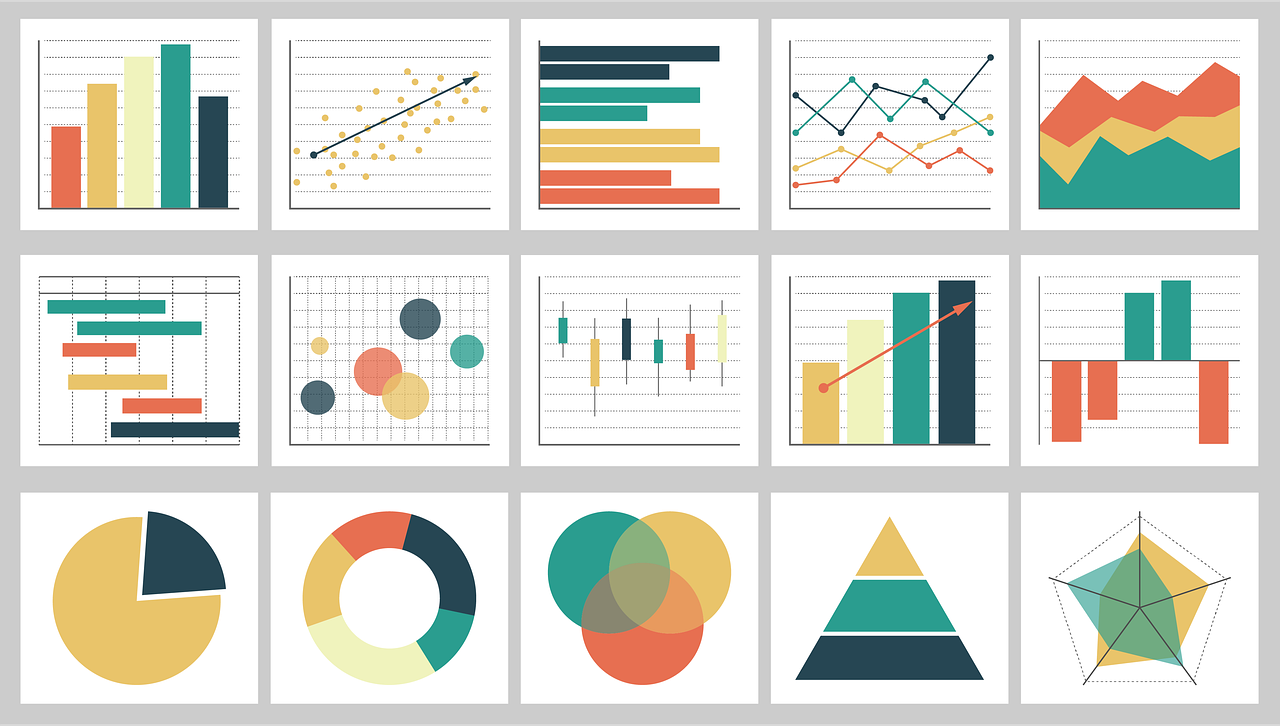
Visualizing credit risk data through informative dashboards facilitates swift insights that can lead to effective action. These dashboards synthesize vast datasets into manageable visuals, such as charts and graphs. This user-friendly approach empowers stakeholders who may lack extensive financial backgrounds to grasp credit metrics without technical hurdles. Moreover, graphical representations allow users to identify trends and correlations rapidly, which textual data may obscure. For instance, heat maps depicting default probabilities across various segments quickly highlight problematic areas. Implementing dashboards not only supports effective storytelling about risk but also engages stakeholders in actionable discourse. With the capacity to represent information in various formats, stakeholders can drill down into specific data points for in-depth analysis. But beyond graphical representations, the dashboards’ interactivity can elevate understanding further, allowing users to explore different scenarios with ease. They can tweak variables and instantaneously observe how such alterations impact the financial outcome. This ability to manipulate figures dynamically sets credit risk reporting dashboards apart as critical tools in fostering effective stakeholder communication and informed risk decision-making processes.
Another significant advantage of adopting credit risk reporting dashboards is the capability for continuous monitoring and real-time updates. Traditional reporting processes may delay responses due to manual compilation and dissemination, negatively impacting timely decision-making. However, dashboards automatically gather data from various sources, ensuring stakeholders are informed with the most recent information. This real-time aspect is especially crucial in a rapidly changing economic environment. Stakeholders can proactively adjust portfolio strategies rather than reactively addressing problems after they arise. Moreover, different users can access specific dashboards tailored to their needs, enhancing the user experience while minimizing information overload. Data can be represented in customizable layouts based on individual preferences, ensuring that critical information is highlighted effectively. Moreover, role-based access facilitates the protection of sensitive information while ensuring that users only access data necessary for their roles. This structured confidentiality enhances trust among stakeholders, thus improving communication. Consequently, when the dashboards reflect real-time data and adjust accordingly to the needs of individual stakeholders, they create a dynamic environment for healthy stakeholder engagement.
Integrating Dashboards with Other Systems
The integration of credit risk reporting dashboards with existing systems enhances their functionality and improves overall communication efficiency. Organizations often rely on various financial systems to capture and manage credit risk data. By linking these different systems to the dashboards, users can benefit from a consolidated view. This unified approach reduces data redundancy and streamlines processes considerably. Integration with Customer Relationship Management (CRM) and Enterprise Resource Planning (ERP) systems can further enrich the data landscape. For example, stakeholders can compare credit risk metrics against sales data to assess the impact of credit policies. Additionally, this cross-system integration allows for more robust trend analysis and forecasting capabilities. Implementing such integrated systems empowers stakeholders with comprehensive visibility, enabling them to pinpoint stress areas easily. As a result, reporting becomes more proactive instead of reactive. Moreover, users can utilize this integrated data for scenario modeling, helping identify potential risks and mitigating responses efficiently. This interconnectedness transforms credit risk reporting dashboards into pivotal tools for informed stakeholder communication across a multi-faceted organization.
Stakeholder engagement can significantly improve when credit risk reporting dashboards utilize collaborative features. Organizations can implement dashboards featuring built-in communication tools that allow stakeholders to comment and ask questions directly within the interface. This seamless interaction fosters a deeper understanding of credit risk data. Stakeholders can share insights, discuss data interpretations, and even brainstorm solutions collaboratively, enhancing collective knowledge. Moreover, integration with messaging applications can allow real-time notifications whenever critical thresholds are crossed or important trends arise. Such proactive communication ensures that stakeholders remain engaged and informed. Furthermore, dashboards facilitate document sharing and discussions around specific data insights, enabling deeper dives into the information context. Regular meetings can be scheduled based on dashboard metrics to review stakeholder inputs, fostering accountability within teams. Encouraging collaboration through dashboards aligns stakeholder interests, driving enhancements in decision-making approaches. With these tools, credit risk reporting dashboards move beyond data presentation into spaces of active stakeholder engagement, creating opportunities for proactive responses and innovative ideas, ultimately improving organizational resilience and adaptability.
Future Trends in Credit Risk Reporting
The future of credit risk reporting dashboards looks promising, with several emerging trends expected to reshape how stakeholders engage with financial data. We anticipate that artificial intelligence (AI) and machine learning (ML) will become increasingly integral to dashboard functions, significantly enhancing predictive analytics capabilities. These technologies can help develop more sophisticated risk models that consider a wider range of variables. Additionally, the use of advanced analytical algorithms will allow for deeper insights into potential risk exposures, providing stakeholders with strategic foresight. Furthermore, data visualization technologies will continue to evolve, allowing for even more interactive experiences, such as augmented reality (AR) interfaces. Utilizing AR can help stakeholders visualize data insights in tangible ways, making complex data easier to understand at a glance. The integration of behavioral analytics may also play a role, enabling dashboards to personalize experiences tailored to individual users’ needs. Finally, the push for open banking will likely lead to more integrated reporting solutions that pull data from diverse sources, facilitating comprehensive views of credit risks across various platforms. Such advancements signify a dynamic future for credit risk reporting, driving communication and decision-making efficiency.
In conclusion, the significance of credit risk reporting dashboards in improving stakeholder communication cannot be overstated. By transforming raw data into easily accessible visualizations, stakeholders can engage more effectively with credit risk metrics. The dashboards’ ability to provide real-time insights fosters a proactive stance in decision-making, ensuring timely interventions when necessary. Their collaborative tools significantly enhance stakeholder interaction, nurtured through shared insights and discussions. Integration with various financial systems further streamlines processes, offering a holistic view of credit risks faced by organizations. As technology advances, the future of these dashboards promises even greater capabilities, allowing for deeper insights and enriched user engagement. The emergence of AI, AR, and enhanced integration will change how stakeholders approach credit risk analysis, paving the way for more strategic planning and risk mitigation efforts. Organizations that leverage these tools will be better positioned to maintain robust communication lines and adapt swiftly to any changes in credit environments. Overall, robust credit risk management is critical, and optimized dashboards will play a central role in achieving efficient stakeholder communication and engagement.