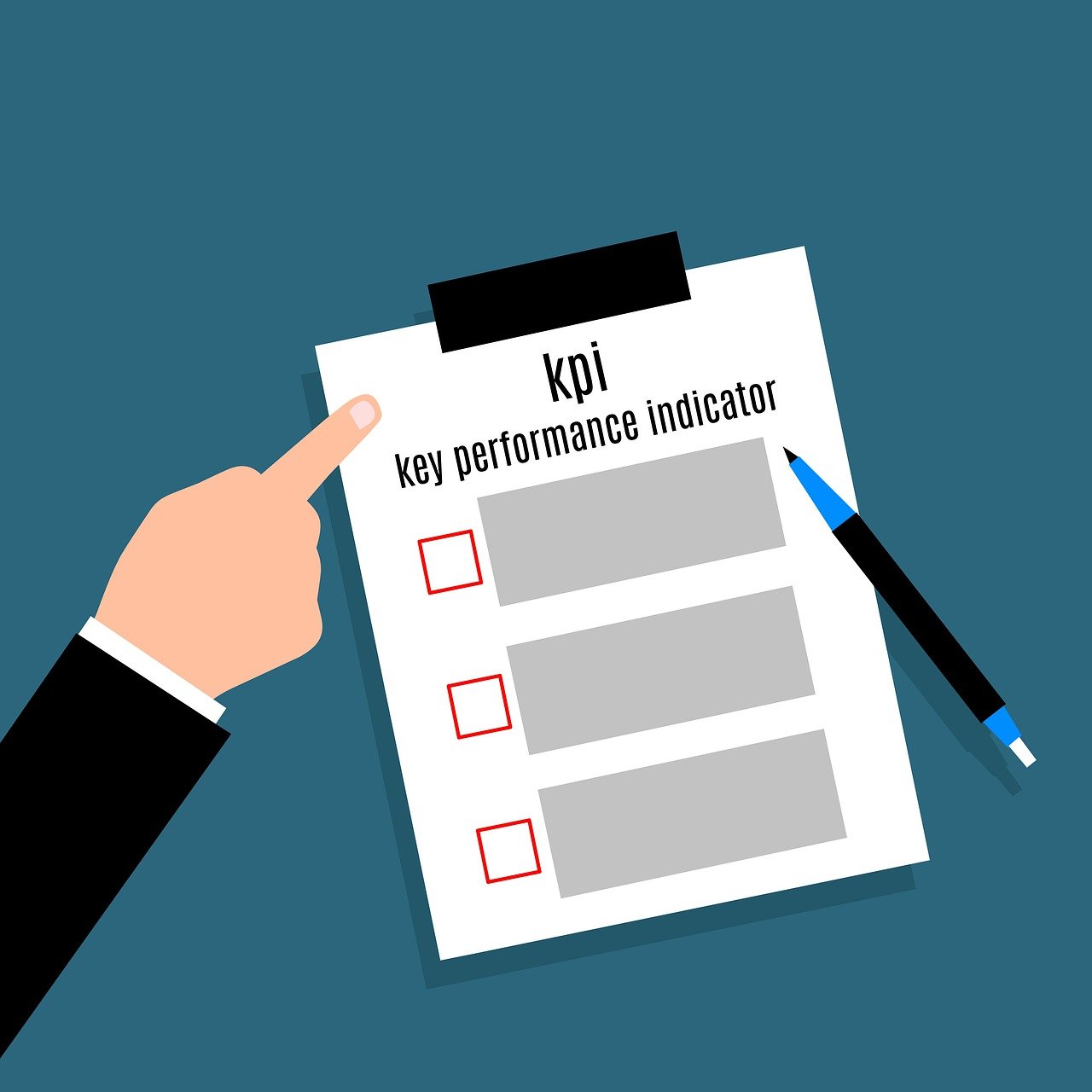

Measuring Performance through Competency Frameworks
Performance management is crucial in today’s competitive work environments, and competency frameworks play a pivotal role in effectively assessing employee performance. These frameworks provide clear standards for the skills, behaviors, and knowledge required to excel in a given role. By employing competency frameworks, organizations can ensure that employees understand the expectations associated with their jobs. Evaluating performance through these frameworks creates a structured approach, allowing managers to easily identify areas of improvement. Employees who grasp their competencies can set personal performance goals, fostering professional development. Additionally, competency assessments can improve recruitment processes by ensuring that new hires possess the necessary attributes for success. Implementing such frameworks also enhances communication between managers and team members, aligning their goals. The clarity brought by a well-defined competency framework reduces ambiguity regarding performance metrics. This ensures that evaluations are based on objective criteria rather than subjective judgments, leading to a more transparent performance management system. In conclusion, competency frameworks are not merely tools for assessment; they are foundational elements that can transform organizational performance. Implemented correctly, they bring forth a culture of continuous improvement and alignment with strategic objectives.
To maximize the effectiveness of a competency framework, organizations must tailor these models to their unique environments and industry demands. Generic competency models often fall short, as they may not reflect the specific skills and behaviors essential to a company’s mission and values. Conducting thorough research to understand the critical competencies that drive success in your industry is vital. Collaborating with key stakeholders, including employees and management, helps create a framework that resonates across all levels of the organization. Collecting input can ensure that the framework reflects the realities of day-to-day operations. Furthermore, providing training on how to use competency frameworks effectively is essential; both managers and employees should know how to leverage them in performance evaluations. Incorporating different methods of assessing competencies, such as self-assessments or peer reviews, can deepen insight and understanding of individual performance. Additionally, organizations should regularly review and update their competency frameworks as required, adapting to changes in the industry landscape. Consistent communication regarding changes and their rationale ensures that everyone is on board and comprehends their importance. Thus, a dynamic, tailored competency framework can significantly enhance performance measurement processes.
The Benefits of Competency Frameworks
Adopting competency frameworks yields numerous benefits for organizations. For starters, these frameworks can enhance employee engagement by aligning individual goals with organizational objectives. When employees see how their competencies contribute to the overarching mission, they often feel more connected and motivated at work. Another monumental benefit is the facilitation of targeted training and development programs. Training initiatives can be designed to address specific competency gaps, ensuring that investment in employee development is strategic and impactful. As employees improve in their competencies, organizational performance naturally increases. Furthermore, competency frameworks provide a basis for succession planning, helping organizations identify talent ready for promotion. Through effective performance evaluations based on these frameworks, businesses can pinpoint high-potential employees who embody key competencies. This information can drive leadership development and create a robust pipeline of future leaders within the organization. Finally, competency frameworks also support compliance with industry regulations and standards. With consistent and documented performance assessments, organizations can demonstrate their commitment to development and ethical practices. Overall, these frameworks result in a holistic approach that benefits both the employees and the organization as a whole.
Another significant advantage of implementing a competency framework is the enhanced feedback mechanism it provides. Frequent and structured feedback is essential for employee growth and improved performance; competency frameworks allow managers to provide specific, actionable insights. Using clearly defined competencies, managers can address both strengths and areas needing improvement during performance discussions. This targeted feedback culture can lead to better employee-manager relationships, fostering trust and open communication. Moreover, competency frameworks can facilitate stronger team dynamics by clarifying roles and responsibilities, reducing conflicts and misunderstandings. Team members can recognize each other’s strengths and leverage them effectively while working together. This clarity also helps in performance assessments based on collaborative outcomes, emphasizing the significance of teamwork within the competency model. Furthermore, organizations can use competency frameworks for performance-related rewards, such as promotions and bonuses, creating a fair and transparent system. Employees are motivated to expand their competencies, enhancing overall productivity within the business. Additionally, by addressing specific competencies in evaluations, managers can celebrate milestones and successes that align with organizational goals. In conclusion, feedback and recognition through competency frameworks foster a positive workplace culture that nurtures growth and development.
Challenges in Implementing Competency Frameworks
While the advantages of utilizing competency frameworks for performance management are clear, several challenges can arise during implementation. Organizations often encounter resistance, especially when individuals are unaware of the competency framework’s purpose or benefits. To reduce resistance, it’s essential to communicate transparently about the rationale behind the competency model. Engaging employees from the outset can help garner support and enthusiasm for the initiative, allowing them to contribute input that shapes the framework. Additionally, inadequate training on utilizing competency frameworks can hinder their effectiveness. Organizations must invest resources into comprehensive training programs that equip employees and managers with the skills to navigate these frameworks confidently. Monitoring the implementation process is also vital for identifying any gaps or inconsistencies in the application of the framework. Evaluations should be conducted systematically and regularly to ensure that the framework remains relevant and effectively meets the organization’s evolving needs. Furthermore, aligning competencies with performance metrics can pose difficulties, as not all competencies can be easily measured. Balancing qualitative and quantitative evaluations is key to achieving a comprehensive understanding of employee performance within competency frameworks.
Moreover, organizations may struggle with updating and adapting their competency frameworks as needed. The business landscape is rapidly changing, necessitating that competency frameworks remain dynamic. Failing to revisit and revise these frameworks can render them obsolete, making it difficult to measure performance accurately. To counteract this, businesses should establish a regular review schedule that includes input from various stakeholders, ensuring that the framework evolves accordingly. Additionally, data collection methods employed within competency frameworks can be cumbersome; streamlined assessments should be put in place to make the process efficient without compromising the comprehensiveness of evaluations. Finally, organizations must overcome any potential biases during assessments. Mitigating bias is crucial to maintain fairness and equity among employees, which is one of the significant goals of utilizing competency frameworks. This can be achieved by utilizing multiple evaluators in the assessment process or by calibrating results across departments. Increasing awareness around implicit bias is equally necessary to enable a just evaluation system. Addressing these challenges can significantly enhance the effectiveness of competency frameworks in measuring performance, ultimately supporting better organizational outcomes.
Future Directions for Competency Frameworks
As organizations continue to innovate and adapt to new challenges, the future of competency frameworks will likely evolve significantly. The integration of technology in performance management processes shows potential to enhance the effectiveness of competency frameworks. Tools such as artificial intelligence and machine learning can facilitate real-time data collection and analysis, enabling organizations to assess competencies dynamically and regularly. Additionally, online platforms can support employee self-assessments, offering employees the opportunity to reflect on their competencies and improvement areas. This technology can foster a culture of continuous learning and development within organizations. Furthermore, as diverse working environments and remote teams become more common, competency frameworks must account for different working styles and environments. This may involve adjusting competencies to reflect remote collaboration skills effectively. Organizations will also need to embrace inclusivity within their frameworks, promoting diversity in competencies that are considered valuable. As organizations prioritize employee well-being, competencies related to emotional intelligence and resilience may gain importance. Overall, the future of competency frameworks will likely focus on adaptability, technology integration, and fostering an inclusive workforce, ensuring they remain relevant in the evolving business landscape.
Finally, organizations must foster a culture of accountability around these frameworks to enhance their effectiveness further. This means that employees should not only understand their competencies but also take ownership of their development within these areas. Creating personal development plans that align with organizational competencies can empower employees to take charge of their growth. Setting performance milestones tied to specific competencies can act as motivating factors encouraging continuous improvement. Moreover, organizations should recognize those who actively pursue competency development, reinforcing a culture of excellence within the workplace. As a result, employees may feel more invested in their roles and more motivated to achieve organizational goals. By prioritizing such initiatives, organizations can ensure that competency frameworks are not merely tools for evaluation, but catalysts for professional development and engagement. Employee advocacy can also lead to positive word-of-mouth regarding the competency framework, strengthening company culture and brand image. In conclusion, while implementing a well-defined competency framework can come with challenges, the rewards far outweigh the potential downsides. Preparing your workforce for the changing dynamics of the market with an effective competency framework can create a productive, engaged, and skilled workforce.