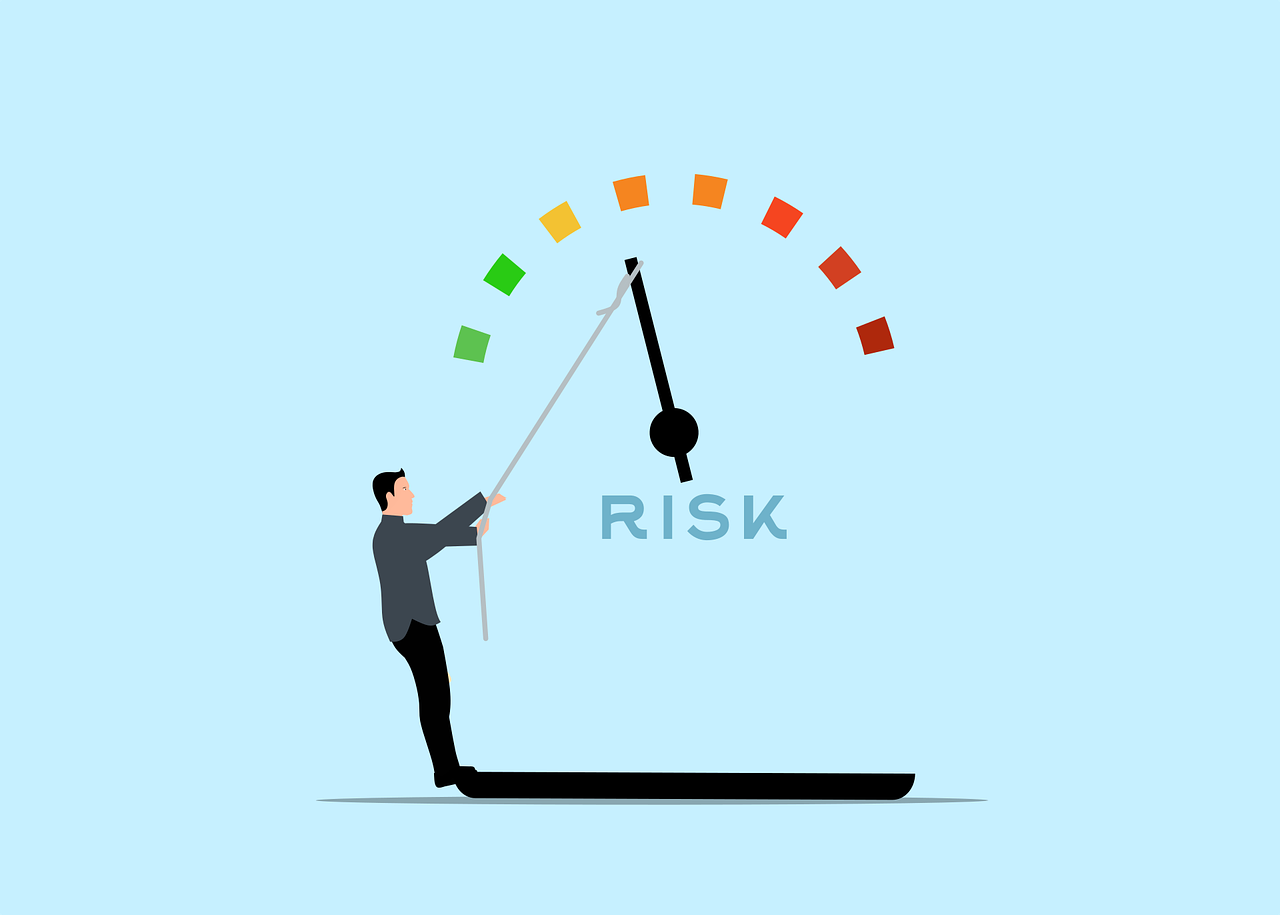

Cross-border Health and Safety Risk Management Challenges
Cross-border health and safety risk management entails various challenges that organizations must navigate. One significant challenge is the variation in health and safety regulations across countries. Each nation has distinct laws, which can lead to confusion for organizations operating in multiple jurisdictions. For example, a company might be compliant in its home country but face penalties abroad due to differing regulations. Moreover, language barriers can complicate understanding and implementing safety protocols, leading to miscommunication. Another challenge arises from cultural differences in attitudes towards health and safety practices. Employees may have different expectations regarding their safety based on their cultural backgrounds, which can create friction in the workplace. To mitigate these risks, organizations must prioritize effective communication and training to ensure all employees understand the necessary protocols. Additionally, companies should consider engaging local experts who can provide insight into the specific health and safety landscape in each country. Overall, comprehensive strategies that take these factors into account can significantly enhance cross-border health and safety management efforts.
The management of health and safety risks is particularly challenging in cross-border contexts due to differing enforcement mechanisms. In some countries, regulatory bodies may aggressively enforce compliance, while others may adopt a more lenient approach. This inconsistency can lead to discrepancies in risk assessment and compliance measures across various locations. Moreover, when incidents do occur, the response can vary significantly based on local laws and established practices. Companies may find themselves grappling with contradictory demands, requiring them to adopt flexible yet robust risk management strategies. Furthermore, companies must consider the international nature of today’s workforce, where employees often span multiple countries and legal systems. This international workforce creates additional complexity in ensuring equitable health and safety measures are in place. Additionally, global pandemics have highlighted the need for adaptable and resilient health and safety systems. Organizations must remain vigilant and proactive to address these challenges and ensure the well-being of their employees. Continuous training and engagement with stakeholders can foster a culture of safety excellence, strengthening resilience across borders and ultimately improving health outcomes worldwide.
Technological Solutions for Risk Management
Technological advancements offer valuable tools that can significantly enhance cross-border health and safety risk management. One notable technology is remote monitoring systems, which provide real-time insights into workplace conditions, helping to identify potential hazards. These systems can alert management immediately, allowing for prompt corrective actions that mitigate risks before they escalate into incidents. Furthermore, mobile applications can facilitate communication between employees and management by streamlining reporting processes for safety concerns or incidents. By harnessing these technologies, companies can ensure that employees feel empowered to communicate about safety issues without fear of repercussions. Additionally, data analytics can also play a vital role in understanding trends in workplace incidents and developing effective prevention strategies. By analyzing historical incident data alongside regulatory compliance metrics, organizations can tailor their risk management practices to address specific areas of concern and optimize their approaches. Such proactive measures can ultimately lead to improved safety culture across border operations. Ultimately, the integration of modern technology into health and safety practices not only streamlines processes but also fosters a safer workplace environment conducive to employee welfare and organizational success.
Cross-border health and safety risk management also faces challenges related to resource allocation and funding. Organizations often need to allocate resources effectively to address varying health and safety requirements in different regions. These resource disparities can hinder the implementation of uniform safety initiatives, leading to potential gaps in risk management. Moreover, navigating differing funding opportunities and regulations across countries can be complex. Organizations must evaluate which local, national, or international funding sources might be available to support their initiatives, which could impact the comprehensiveness of their health and safety programs. Furthermore, budget constraints may limit the scope of necessary safety improvements, particularly in developing countries where resources might already be stretched thin. To overcome these hurdles, organizations should approach funding strategically, seeking collaborations with local agencies or non-profit organizations that share similar health and safety goals. Regular assessments of health and safety risks and budgetary needs will allow for better forecasting and planning. By developing a systematic approach to resource allocation, companies can effectively manage cross-border health and safety risks while maintaining compliance and ensuring employee safety.
The Role of Training and Education
Effective training and education are integral components of cross-border health and safety risk management. Organizations must ensure that all employees, regardless of location, receive consistent and thorough training on safety protocols and practices. Such training should be tailored to incorporate local regulations and cultural norms while maintaining foundational safety principles. Crucially, ongoing training initiatives are vital, as they equip employees with the knowledge and skills needed to adapt to changing circumstances or emerging risks. Additionally, companies should also consider e-learning platforms that provide flexibility for employees in various time zones and locations. This can facilitate higher participation rates, ensuring that employees are well-informed and can actively engage in safety discussions. Additionally, training programs should prioritize language accessibility, providing materials in multiple languages or offering translation services where necessary. Engaging employees in hands-on learning experiences, such as simulations or role-playing exercises, can further enhance their understanding of risk management principles. Through a commitment to robust training and education, organizations can cultivate a culture of safety that transcends borders and prioritizes employee well-being in every operational context.
Compliance with health and safety regulations across multiple jurisdictions presents a formidable challenge for organizations operating in diverse environments. Each country can have distinct enforcement agencies, leading to variations in compliance deadlines and reporting requirements. Organizations may find themselves navigating a complex web of legislation that requires constant monitoring to ensure adherence. This can become particularly burdensome when managing health and safety risk in multiple locations simultaneously. To alleviate this complexity, organizations should prioritize the development of a centralized compliance management system that streamlines processes across locations. Additionally, regular audits and assessments can help identify areas where compliance may be at risk, allowing for timely corrective actions to be implemented. Engaging local compliance experts can provide further insights into the nuances of each jurisdiction’s regulations while ensuring that organizations are meeting or exceeding local standards. By taking a proactive approach to compliance management, companies can mitigate legal risks, reduce potential penalties, and foster an ethical workplace culture that prioritizes safety and accountability at every level of the organization.
Collaborating with Local Partners
Collaboration with local partners is essential for overcoming the challenges of cross-border health and safety risk management. By working together with local organizations, businesses can gain valuable insights into regional safety practices, regulatory frameworks, and risk dynamics. Local partners can provide essential guidance on navigating the complexities of health and safety regulations as well as assistance in implementing best practices tailored to the specific environment. Forming a partnership with local health and safety professionals or industry associations can lead to improved outcomes, as they can advocate for safe work environments and share resources. Additionally, engaging with local communities helps establish trust, ensuring that employees feel supported and valued. These collaborative efforts can yield mutual benefits, enhancing the safety culture within organizations while simultaneously contributing to regional safety initiatives. Building strong networks across borders can foster knowledge-sharing opportunities, leading to innovative solutions to common health and safety challenges. By prioritizing collaboration, organizations can establish a strong foundation for addressing cross-border health and safety risks and promoting well-being for everyone involved.
In conclusion, navigating the complexities of cross-border health and safety risk management is vital for organizations with global operations. It requires a comprehensive understanding of varying regulations, cultural contexts, and effective resource allocation strategies. Moreover, leveraging technology and investing in employee training can significantly enhance compliance and risk mitigation efforts. As organizations increasingly embrace global operations, prioritizing collaboration with local partners becomes essential to identify and address region-specific safety challenges effectively. Through these approaches, companies can foster safer workplace environments while safeguarding the health and well-being of employees across different locations. The commitment to health and safety should be viewed not merely as a regulatory requirement, but as a fundamental aspect of corporate responsibility. A robust health and safety management system that prioritizes employee welfare can yield profound benefits, including improved productivity, reduced absenteeism, and enhanced company reputation. Ultimately, adopting a proactive, integrative approach toward health and safety risk management can empower organizations to navigate cross-border challenges successfully, driving long-term success in today’s complex global landscape.