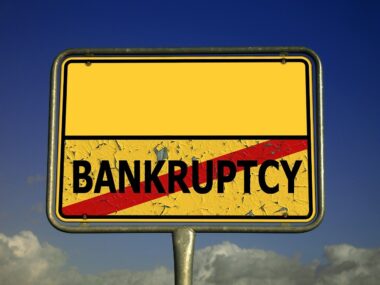

How Bankruptcy Affects Your Financial Future
Bankruptcy represents a crucial turning point in a person’s financial journey. It emerges as a legal process, available for individuals and businesses, designed to eliminate debts that have become overwhelming. Filing for bankruptcy can offer a fresh start and a chance to regain control over one’s finances. However, the implications of this decision extend far beyond the immediate relief it provides. Firstly, the impact of bankruptcy will stain your credit report for several years, typically lasting for a decade in the case of Chapter 7. This often leads to increased difficulty in securing loans or acquiring credit cards in the future. Additionally, potential lenders view bankruptcy as a major red flag, which can result in higher interest rates if credit is granted. Despite these setbacks, there are scenarios where bankruptcy can foster long-term benefits, such as the ability to rebuild credit gradually. Individuals who educate themselves on managing their finances may find alternatives to avoid potential pitfalls in the future, which can significantly enhance their financial well-being beyond bankruptcy.
The Process of Filing for Bankruptcy
Filing for bankruptcy involves several key steps, each crucial to understanding the overall process. Initially, a detailed evaluation of your financial situation is essential. This includes an assessment of both assets and liabilities, helping you decide which type of bankruptcy is appropriate. Most individuals opt for either Chapter 7 or Chapter 13. After determining eligibility, the next step is to complete credit counseling from an accredited agency, which is a legal requirement prior to filing. The actual filing occurs when you submit a petition in court, along with a variety of financial documents that provide insight into your income, expenses, and assets. Fees may apply, so it’s vital to be prepared financially. Following this, an automatic stay is enacted, halting most collection efforts from creditors, which is extremely beneficial for the filer. However, maintaining transparency throughout the process is required, as any misinformation can lead to severe consequences. Ultimately, understanding each step allows prospective filers to navigate the bankruptcy process more effectively, minimizing potential issues down the road.
Understanding the aftermath of your personal bankruptcy is equally vital in shaping your financial future. Following the discharge of debts, individuals often feel a mix of relief and uncertainty. While it may seem daunting, rebuilding financial stability and improving credit scores is entirely achievable. The initial focus should rightly center on documenting a solid budget. Effectively managing monthly expenses allows you to regain financial discipline, which is crucial for long-term success. Moreover, timely payments on any remaining debts or new credit accounts can positively impact your credit score over time. Additionally, consider obtaining a secured credit card, as responsibly using this can demonstrate to lenders your improved creditworthiness. It’s also important to monitor your credit report regularly to ensure the accuracy of the information and ultimately refine your understanding of personal finances. Participating in financial education programs can further aid in learning best practices for managing money and investments. Overall, while bankruptcy may feel like a setback, it can also serve as an opportunity to adopt better financial habits and work toward sustainable growth.
The Role of Credit Counseling
Credit counseling plays an instrumental role in the bankruptcy process. Pre-filing counseling sessions provide individuals with valuable resources and strategies for managing debts effectively. Many credit counselors offer debt management plans that can help filers establish a feasible repayment strategy outside of bankruptcy. These sessions enable individuals to evaluate their financial situations comprehensively, allowing for informed decision-making. Embracing advice from credit counselors can sometimes uncover alternatives to filing for bankruptcy, such as negotiating settlements or adjusting payment terms with creditors. Following bankruptcy, credit counseling remains essential in reinforcing recovery and financial stability. It can help filers devise strategies to avoid falling back into previous financial troubles. Moreover, many counselors offer workshops on budgeting, spending, and saving, further empowering individuals to take control of their financial futures. In essence, credit counseling is a continuous journey that not only assists during bankruptcy but also supports ongoing financial wellness beyond its conclusion. By prioritizing educational opportunities, individuals can cultivate healthier financial habits, offering significant advantages long after their bankruptcy journey ends.
The stigma surrounding bankruptcy often clouds the realities of a fresh financial start. It’s essential to recognize that many prominent individuals and businesses have declared bankruptcy at some point, reinforcing that it’s a pathway rather than a dead end. This fresh start can rejuvenate one’s financial situation by allowing individuals to shed overwhelming debt. Contrary to popular belief, it also serves to bring healthier cash flow and reinstate financial health potentially. Individuals often report feeling a renewed sense of purpose and focus after their bankruptcy filing. Furthermore, the lasting negative impact on credit can diminish over time if proactive measures are taken. By understanding these dynamics, individuals can reframing their mindset around bankruptcy and focusing on the opportunities it presents, rather than viewing it solely as a failure. Personal growth takes center stage as individuals reassess their past financial habits, learning how to make wiser choices moving forward. Sharing stories of recovery can empower others as well, transforming stigma into encouragement for those facing similar predicaments. Ultimately, embracing the opportunity for growth is vital in reshaping one’s financial future after bankruptcy.
Long-term Effects of Bankruptcy
Bankruptcy holds several long-term implications that significantly affect individuals’ financial landscapes. Notably, the most immediate consequence involves the long-lasting mark on credit reports. Depending on the type of bankruptcy filed, this could remain visible to lenders for up to ten years. As a result, many individuals struggle to obtain favorable loan terms or credit facilities during this timeframe. However, the impact of bankruptcy extends beyond mere visibility; it reshapes an individual’s financial habits and considerations. As borrowers navigate post-bankruptcy life, they might cultivate a heightened awareness of their spending and budgeting practices. These lessons often foster responsible financial behavior in the long term. Despite the financial hurdles that accompany a bankruptcy declaration, individuals become more equipped to handle future financial challenges. With each passing year, the repercussions of bankruptcy slowly fade as scores improve. Continued engagement in sound financial practices can eventually lead to financial stability and improved relationships with banks and lenders. Hence, individuals should remain focused on the lessons learned and the growth achieved following bankruptcy as they plot their future financial paths.
In conclusion, navigating through bankruptcy is a multifaceted journey that ultimately transforms one’s financial future. While the disadvantages are apparent, including the impacts on credit scores and loan acquisition processes, there exists a silver lining around personal growth and renewal. By embracing credit counseling, maintaining transparency, and focusing on rebuilding efforts, individuals can create healthier financial habits. Despite the initial difficulties and societal stigmas, those willing to learn from the process can emerge as more financially responsible citizens. Therefore, it is crucial to approach bankruptcy as an opportunity: a chance to reassess financial goals and adopt better practices moving forward. Rebuilding is not only possible; it is probable for those who commit to persistent efforts. Personal stories often exemplify successful growth after financial hardship, showcasing the power of perseverance and educational foundations. As society evolves, so too must the narrative surrounding bankruptcy—shifted from stigma to empowerment. By recognizing the potential for change, individuals can harness their experiences to promote more secure, informed financial futures, ultimately leading to greater overall well-being for themselves and their communities.