
Implementing ERP Systems in Public Finance Departments
In recent years, the adoption of Enterprise Resource Planning (ERP) systems has become increasingly pivotal for public finance departments. These systems are designed to integrate all financial functions within a cohesive framework, enhancing overall operational efficiency. The integration of financial data enables better decision-making and forecasting while minimizing errors associated with manual data entry. Implementing an ERP system often involves a considerable initial investment, including software acquisition, hardware upgrades, and training for staff members. Nevertheless, the long-term benefits can outweigh these costs. Financial managers are better able to achieve transparency and facilitate accountability, which is a considerable boon for public sector governance. Furthermore, ERP systems can drive automation in day-to-day operations, allowing finance teams to focus on more strategic contributions to their departments. Additionally, the adaptability of modern ERP solutions makes them suitable for various public sector organizations, regardless of size or scope. Ultimately, the movement towards ERP systems signifies a remarkable shift towards improved management practices in public finance, setting standards for efficiency, transparency, and alignment with best practices in public administration.
The decision to implement an ERP system requires a comprehensive analysis of the current financial processes within public finance departments. Before initiating the transition, it’s crucial to identify existing challenges and inefficiencies that the ERP system aims to resolve. Engaging stakeholders is an essential step in this process; it involves gathering insights from finance staff, management, and IT personnel. This collaboration helps to ensure that the selected ERP solution aligns with departmental needs and technical capabilities. Choosing the right ERP vendor is critical, as it directly impacts the success of the implementation. Key factors to consider include vendor credibility, support services, user-friendliness, and modularity of the ERP system. Furthermore, it’s advisable to outline a detailed project plan that incorporates timelines, budget estimates, and necessary resources for the implementation process. Conducting a pilot test or phased rollout can minimize disruptions during the transition and allow for the identification of potential challenges beforehand. Adequate training sessions and support should also be planned to prepare employees for working within the new system effectively.
Benefits of ERP Systems
One of the most significant advantages of deploying ERP systems in public finance departments is enhanced data accuracy and reliability. Traditional financial processes often involve disparate systems, leading to increased chances of errors and misreporting. By consolidating financial information into a single ERP platform, organizations can ensure greater data integrity. A unified approach enables easier access to real-time information and comprehensive insights. Moreover, ERP systems streamline various financial management functions such as budgeting, forecasting, reporting, and auditing. With these efficiencies, finance departments can operate more effectively while maintaining fiscal responsibility and adherence to compliance standards. Additionally, ERP’s reporting features offer customizable dashboards, allowing managers to access critical performance metrics at a glance. This kind of visibility fosters a proactive organizational culture where informed decision-making prevails. Furthermore, the automation of repetitive tasks frees up valuable time for finance staff, enabling them to invest resources in high-priority projects that can positively impact a community. Ultimately, the shift towards modern ERP solutions holds promise for achieving enhanced operational efficiencies across the public finance sector.
The transition to an ERP system can lead to improved collaboration among various departments within public finance organizations. By having a shared platform, teams from finance, procurement, human resources, and administration can seamlessly interact, share information, and work towards common goals. This inter-departmental synergy can result in faster decision-making and more cohesive execution of initiatives. Furthermore, ERP systems can play a tremendous role in enhancing citizen engagement and service delivery. By streamlining processes, public finance departments can allocate more resources to improve the quality of services provided to residents. Automating processes such as invoice generation and payment tracking can ease the strain on finance teams, allowing them to focus on citizen inquiries and concerns. Ultimately, fostering a more connected and responsive public finance department contributes to a better overall experience for citizens and stakeholders alike. In the long run, improved service delivery can lead to increased trust in government institutions and a positive public perception of finance operations. A well-implemented ERP system opens pathways for better engagement between finance departments and the communities they serve.
Challenges of Implementation
Despite the numerous advantages associated with implementing ERP systems in public finance departments, various challenges must be navigated during the transition. One of the primary difficulties is employee resistance to change. Many employees may feel attached to traditional systems and practices, resulting in a lack of enthusiasm towards adopting new technologies. This cultural hurdle can be mitigated through effective communication and engagement strategies, emphasizing the benefits of the new system to alleviate concerns. Additionally, resource allocation presents another challenge; departments must ensure they possess adequate personnel and budgetary support. Some organizations may experience an initial slowdown in productivity as employees familiarize themselves with the system. To address such concerns, it’s crucial to establish a robust change management plan that incorporates appropriate training and continuous support throughout the process. Understanding that implementation is an ongoing journey and not merely a one-time event can help to manage realistic expectations. Engaging with expert consultants and leveraging their knowledge can further smooth the implementation path, ensuring that public finance departments can navigate the intricacies and potential pitfalls effectively.
To gauge the success of ERP implementation in public finance departments effectively, organizations must establish key performance indicators (KPIs) and measurable goals. Clear metrics are essential for monitoring progress and identifying areas for improvement. Common KPIs include data accuracy rates, time savings in financial reporting, and user satisfaction scores. Regular assessments should be conducted to ensure that the ERP system meets the predetermined objectives. Furthermore, it is beneficial to create feedback loops in which employees can share their experiences and identify additional improvement needs. Collaborating with trusted ERP vendors to conduct periodic reviews can offer additional insights. It is crucial for public finance departments not to become complacent after initial implementation success; instead, they must strive for ongoing enhancements. Continuous training and upskilling of finance staff should be prioritized to keep pace with evolving technology and practices. Ultimately, embedding a culture of continuous improvement will enable public finance departments to maximize the benefits of their ERP systems, thereby fostering transparency, accountability, and operational excellence within their organizations.
The Future of ERP in Public Finance
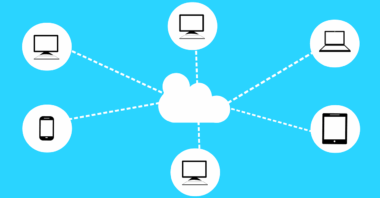
The future of ERP systems in public finance appears particularly promising as technology continues to advance. Emerging trends such as cloud computing, artificial intelligence, and machine learning are poised to revolutionize the way public finance operates. Cloud-based ERP solutions offer scalability and flexibility while reducing infrastructure costs significantly. This evolution facilitates easier access to data and promotes collaboration. Additionally, leveraging artificial intelligence in ERP systems can enhance predictive analytics capabilities, allowing finance departments to forecast trends and make data-driven decisions. This predictive capacity is invaluable in budgeting and resource allocation, particularly in uncertain fiscal climates. Moreover, the incorporation of mobile technology provides finance professionals with real-time access to essential information, enabling informed decision-making while on the go. As public finance departments increasingly focus on citizen engagement, innovative ERP solutions may also incorporate features that allow residents to interact with financial datasets transparently. The integration of citizen feedback into financial planning processes may further enhance public trust and accountability. In conclusion, staying attuned to these technological advancements will be vital for public finance departments looking to leverage ERP systems effectively.
In summary, the implementation of ERP systems in public finance departments holds substantial promise for enhancing operational efficiencies, transparency, and service delivery. While the journey may be filled with challenges, the long-term benefits significantly outweigh the initial hurdles. Public finance organizations must approach this transition with a strategic mindset, emphasizing stakeholder engagement, meticulous planning, and proper training. Establishing clear KPIs and a culture of continuous improvement will ensure that the implementations not only serve current needs but also adapt to future challenges and technological innovations. With a focus on citizen engagement and improved collaboration, public finance departments have the opportunity to transform their operations and better serve the communities they represent. As they embrace ERP systems, these organizations can lead the charge towards modernized public sector governance that prioritizes efficiency, accountability, and governance. The future is bright for public finance as they harness the capabilities of ERP systems to propel strategic fiscal management and responsible resource stewardship. This enticing shift can result in increased trust within the community and heightened effectiveness in serving public interests. Consequently, embracing ERP technology signifies the evolution of public finance departments in an increasingly complex and digitized environment.