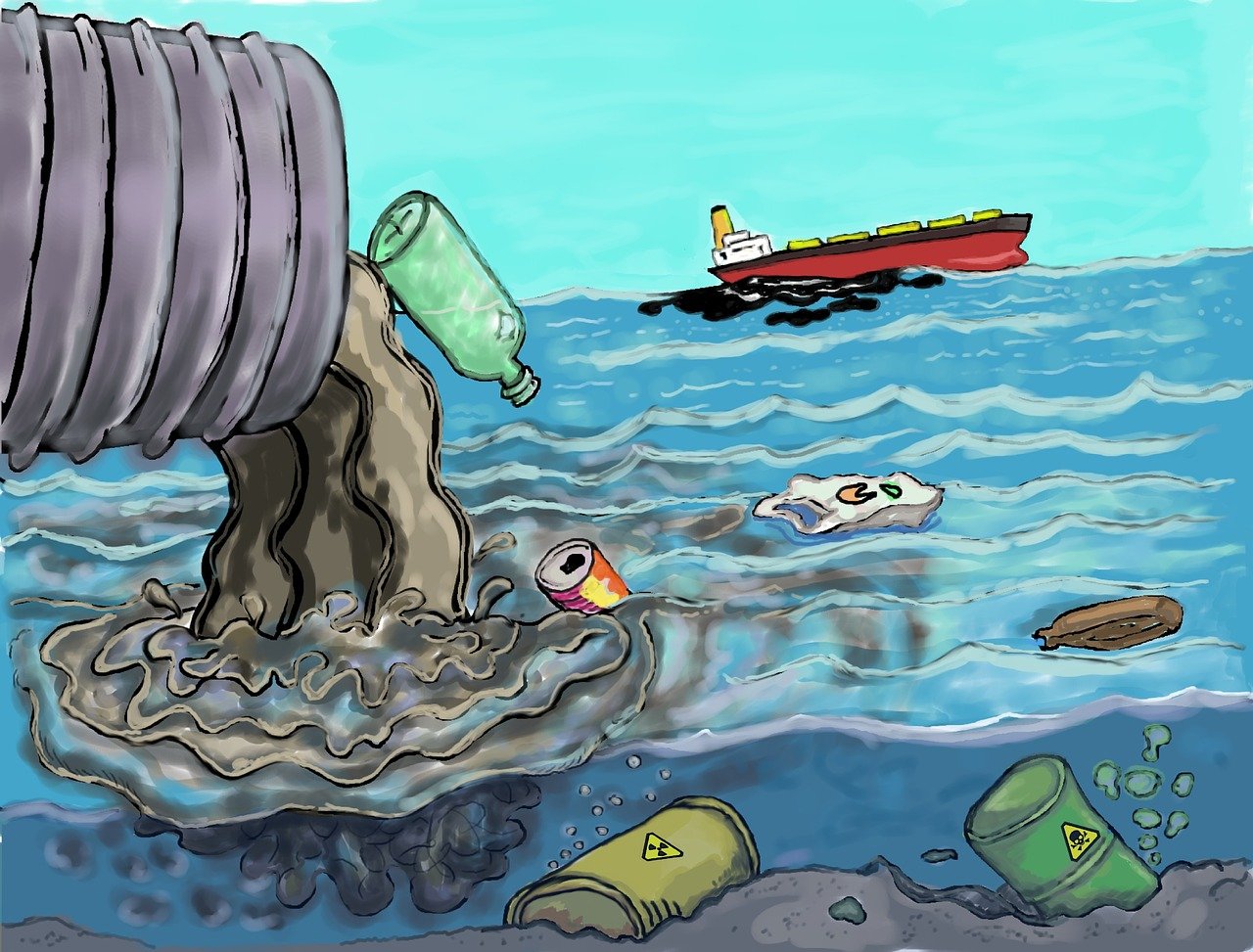

Incorporating Environmental Risks into Your Continuity Strategy
In today’s world, businesses must prioritize environmental risks within their continuity strategies. Environmental challenges, such as climate change, natural disasters, and resource depletion, are increasingly disrupting operations. Consequently, it is essential to identify these risks accurately and implement effective controls. Businesses should conduct comprehensive assessments to evaluate potential environmental impacts. An important starting point is to gather data about environmental threats relevant to the organization’s geographic location. Companies can engage in scenario analysis to visualize potential disruptions and develop tailored response strategies. It is vital to include diverse stakeholders during this process to ensure coverage of various perspectives. Executives and risk managers should work closely to craft robust plans that incorporate all identified risks. Furthermore, organizations should consider the resilience of their supply chains to environmental factors when designing business continuity plans. Investing in green technologies and sustainable practices not only mitigates risks but can also enhance a company’s reputation. By adopting a proactive approach, companies will be better prepared to navigate unpredictable events and stay operational during crises. Integrating environmental considerations will ensure that a business develops a comprehensive continuity strategy that safeguards its interests and aligns with evolving regulations.
Organizational resilience goes hand in hand with effective risk management. To build resilience, firms must recognize and address environmental risks thoroughly in their business continuity plans. A continuity plan should include specific action steps detailing how a business will respond to environmental disruptions. For example, creating contingency plans that focus on natural disasters helps structure responses tailored to specific events. This planning not only includes the immediate operational impacts but also assesses long-term recovery paths associated with environmental risks. Furthermore, training employees on maintaining operations during adverse conditions fosters a culture of preparedness. Regular testing of response strategies ensures that potential weaknesses are identified and improved upon. Additionally, organizations can benefit from collaboration with government agencies and the private sector to share knowledge and resources regarding environmental risk strategies. Building partnerships enhances operational capabilities and minimizes disruption impacts significantly. It is also essential for companies to stay updated on changing environmental regulations and consider them within their continuity strategies. Meeting compliance requirements will not only safeguard the business but also contribute positively to community standards and safety. Ultimately, integrating resilience into risk management will elevate an organization’s ability to thrive in uncertain environments.
Assessing Environmental Vulnerabilities
Assessing environmental vulnerabilities is key to creating effective business continuity plans. Organizations should start the assessment by identifying critical functions and the environmental factors that may affect them. This means evaluating both internal processes and external influences that create potential risks. Engaging employees from various departments helps to gather comprehensive perspectives on operational vulnerabilities. Creating a matrix to quantify risks can help prioritize which environmental hazards pose the most significant threat. Once this foundation is laid, exploring potential scenarios can offer insights into reasonable responses. These scenarios might include drought, flooding, and other climate-related events. Environmental impact assessments should be an ongoing process, allowing for updates based on changing conditions and scientific data. Integrating the assessment findings into the business continuity plans will strengthen the organization’s preparedness and adaptability. Additionally, organizations should regularly review and revise risk assessments to encompass new challenges. This iterative approach encourages continuous improvement of continuity strategies that adapt to emerging threats. An informed and well-prepared organization is more likely to mitigate the consequences of environmental disruptions effectively. By being proactive in assessing vulnerabilities, businesses can secure operational stability during unforeseen environmental crises.
Utilizing technology plays a vital role in managing environmental risks within business continuity planning. Advanced technologies such as data analytics, artificial intelligence, and geographic information systems enable organizations to monitor and assess risks effectively. Companies can leverage predictive analytics to gain insights into potential environmental threats and their impacts on operations. Furthermore, technology can streamline communication efforts, providing real-time updates during a crisis. Tools like mobile applications enhance the flow of information between teams, ensuring that everyone is informed and prepared. Moreover, implementing remote monitoring systems for critical assets allows immediate responses to environmental hazards. This technological approach ensures that organizations are better equipped to handle disruptions, reducing downtime and financial losses. Furthermore, utilizing online platforms for training and simulation exercises prepares employees for real-life scenarios. By incorporating technology into continuity strategies, companies not only enhance operational efficiencies but also foster a culture of innovation and adaptability. Tech-driven continuity plans that integrate the latest technologies provide businesses with a competitive edge in resilience. Overall, organizations must embrace technological solutions to elevate their management of environmental risks effectively and comprehensively.
Engaging Stakeholders
Engaging stakeholders is crucial when developing a continuity strategy that integrates environmental risks. A stakeholder approach invites involvement from various parties, including employees, suppliers, customers, and regulatory bodies. Gathering diverse perspectives ensures a thorough understanding of potential environmental challenges faced by the organization. When collaborating with stakeholders, organizations can share insights and resources, ultimately leading to more robust continuity plans. Creating a stakeholder engagement strategy allows businesses to communicate effectively and gather feedback throughout the continuity planning process. Regular meetings and workshops provide opportunities for stakeholders to contribute their ideas and experiences related to environmental risks. Open communication channels foster trust and cooperation, strengthening the organization’s overall response capabilities. Moreover, involving stakeholders helps to raise awareness around critical environmental issues affecting the industry. This increased awareness can lead to adopting sustainable practices, ultimately benefiting the organization and the community. Furthermore, transparency in sharing information regarding continuity strategies will build confidence among stakeholders. When everyone works together, organizations are better prepared to manage environmental crises. Stakeholder engagement enhances the quality and adaptability of business continuity strategies, ensuring comprehensive operational readiness during unexpected environmental events.
Regular training and simulations should be a priority in effectively managing environmental risks. Continuous training ensures that employees are familiar with their roles in various crisis situations and understand the procedures outlined in the continuity strategy. Conducting simulations of potential environmental disruptions tests organizational preparedness and identifies areas for improvement. These exercises can be tailored to reflect real risks the organization may face. This practice ensures that employees are aware of the specific procedures required during environmental events. Reviewing simulation results helps develop action plans to close any identified gaps in response capabilities. Furthermore, ongoing education regarding new environmental policies and regulations will keep employees informed and compliant. Training sessions should encourage thorough discussions about environmental sustainability and risk mitigation strategies. By embedding these principles into the company culture, businesses will be better prepared to respond appropriately during crises. Sustainable practices taught through training not only benefit continuity plans but also enhance overall operational efficiency. In addition to preparing for potential disruptions, organizations can foster loyalty and commitment from employees by investing in their training. Ultimately, a trained workforce will significantly increase organizational resilience in the face of environmental challenges.
Conclusion
In conclusion, incorporating environmental risks into continuity strategies is essential for businesses to thrive in today’s evolving landscape. Companies that proactively address environmental vulnerabilities enhance their resilience and operational stability. Regular assessment, technology integration, stakeholder engagement, and employee training are key components that formulate effective continuity plans. Furthermore, implementing sustainable practices not only helps in managing risks but contributes significantly to corporate social responsibility efforts. As environmental challenges continue to rise, it becomes paramount for organizations to adapt their strategies accordingly. By acknowledging the importance of environmental risks, companies position themselves to navigate future uncertainties confidently. A comprehensive approach creates pathways for innovation and improved business outcomes. Additionally, aligning continuity planning with ecological considerations fosters a culture of sustainability. Adopting eco-friendly practices benefits the environment but also appeals to a growing base of environmentally conscious consumers. Ultimately, organizations ready to embrace environmental risk integration in their continuity strategies will emerge as leaders in their respective industries. In a world where environmental challenges are prevalent, those that act decisively will secure their competitive advantage and ensure long-term success. Emphasizing this integration is integral to fostering resilience and sustainable growth.
In summary, consider environmental risks as essential elements within business continuity planning. The increasing frequency and intensity of environmental disruptions necessitate taking action to safeguard business operations. By integrating environmental considerations into their strategies, organizations not only fortify their resilience but also contribute to sustainable practices within their communities. This dual focus on business and environmental health positions companies favorably amidst rising regulatory expectations and societal pressures. It is crucial for decision-makers to prioritize environmental risks in risk management frameworks. Failure to incorporate these aspects can lead to devastating consequences for both businesses and their stakeholders. The journey towards effective environmental risk management starts with gaining insight through assessments and research. Employees, customers, and regulatory bodies all play vital roles in this endeavor. Companies that embrace comprehensive continuity strategies will be equipped to respond to environmental challenges effectively. Proactive measures and collective efforts will ultimately shape a secure future, fostering long-term growth and stability for businesses. As organizations continue to adapt to changing landscapes, prioritizing environmental risks will remain indispensable for sustainable success.