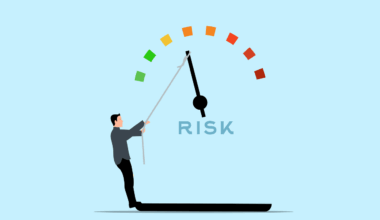

Market Cycles: Identifying Phases for Optimal Wealth Management
Understanding market cycles is crucial for effective wealth management. Investors face numerous challenges that arise during different phases of the market cycle. The cycle generally consists of four major phases: accumulation, markup, distribution, and markdown. Identifying these phases can help investors make informed decisions about their portfolios. During the accumulation phase, prices stabilize, and value stocks become attractive as risk appetites gradually resurface. Once this phase transitions to markup, market sentiment shifts, leading to significant price increases. Here, investors often chase gains as optimism builds, and assets reach new highs. As the cycle continues to the distribution phase, profit-taking becomes common, and heightened volatility may emerge. Lastly, the markdown phase can cause caution and defensive strategies to prevail. In this environment, investors often reflect on their strategies while assessing market indicators that can help pinpoint potential shifts back to accumulation. Tools like fundamental analysis and technical indicators can aid significantly. Realizing when to adjust your wealth management strategies is critical for long-term success and should not be underestimated.
To effectively manage wealth through varying market cycles, one must comprehend historical data and emerging trends. Continuous market analysis aims to understand economic indicators, investor sentiment, and geopolitical factors influencing market movements. Economic growth, inflation rates, and employment figures are crucial to gauge overall market health. Furthermore, qualitative aspects, such as consumer confidence and business investments, can provide an insight into future cycles. It is essential to differentiate between macroeconomic indicators and microeconomic conditions. Macroeconomic trends usually display overarching influences affecting many sectors, while microeconomic specifics can highlight potential opportunities and risks at the company level. By monitoring changes in stock indices, bond yields, and commodity prices, an investor can fine-tune wealth strategies. Sophisticated models and resources become critical in decision-making, including diversification of asset classes and rebalancing portfolios. While embracing technology, cutting-edge analytics, and automation can enhance the comprehension of real-time data, experiential knowledge derived from previous cycles remains valuable. Thus, a blend of quantitative analysis rules and qualitative insights helps create a comprehensive understanding of market cycles and informs prudent wealth management.
Asset Allocation Across Market Phases
Asset allocation varies depending on the identified phase of the market cycle. During the accumulation phase, a strategic focus on undervalued assets pays off significantly in the long term. Investors should concentrate on stocks exhibiting strong fundamentals while maintaining low valuations, as this creates growth potential. As the market progresses into the markup phase, investors often gravitate towards high-growth sectors, strengthening their portfolios with aggressive positions. This concentration allows for capitalizing on upward price momentum. However, sharp price increases generate caution as one approaches the distribution phase. In this sensitive phase, Wealth Managers may recommend tactically reducing exposure to equities and increasing allocations in defensive assets like bonds or cash equivalents. In the markdown phase, capital preservation becomes a priority, focusing on sectors like dividends and value stocks, which often outperform during market downturns. Implementing a systematic approach to asset allocation, guided by ongoing market analysis, aids in minimizing risks and seizing opportunities across all market phases. Minding the long-term objectives within this framework creates the groundwork for optimal wealth management.
Behavioral finance also plays a pivotal role during various market phases. Investors frequently exhibit emotional biases that can significantly impact their decision-making process. For instance, during the accumulation phase, optimism may lead to excessive risk-taking as confidence builds in the market. Conversely, during the markdown phase, fear often drives panic selling, resulting in detrimental long-term consequences. Understanding these behaviors and implementing a disciplined strategy can aid investors in navigating the cycles effectively. Wealth management practitioners must educate their clients about these psychological influences so they can better avoid common pitfalls. Utilizing strategies like setting predefined investment goals, establishing stop-loss limits, and maintaining a long-term viewpoint may mitigate the impact of emotions in decision-making. Moreover, regular discussions with clients about their investment objectives can help foster a rational approach in turbulent times. Investment committees comprised of seasoned professionals can facilitate these objectives by establishing coherent guidelines and thresholds for asset allocation adjustments. Fostering a culture of discipline and informed decision-making will ultimately reinforce wealth management practices, positioning investors for optimal returns across all stages of market cycles.
Monitoring Indicators for Wealth Management Strategies
Tracking key indicators allows managers to avert potential pitfalls associated with transitioning market phases. Within the framework of wealth management, utilization of principal indicators, such as the yield curve, unemployment rates, consumer consumption patterns, and inflation data, can illuminate indicators of impending economic shifts. These elements collectively assist in predicting market ebbs and flows. By establishing a disciplined approach to reviewing these economic indicators regularly, investors position themselves to make proactive changes in their asset allocation strategies. When interest rates rise, for instance, it might signal a transition from a markup to a distribution phase; thus, having cash available allows investors to seize opportunities that arise from market corrections. Tools like moving averages or relative strength indices (RSIs) can provide insights into potential market reversals. Additionally, it might be prudent to examine global economic ties, as international trends increasingly impact domestic markets. This multifaceted analysis diligently informs wealth management strategies, paving the way for portfolio resilience even amid fluctuating market conditions. Awareness of these indicators and their implications can become invaluable to long-term financial success.
Tax implications also vastly influence decision-making across different market cycles. Understanding how investments are taxed can inform optimal timing for entries and exits during any specific cycle. The accumulation phase often encourages long-held investments, as capital gains taxes apply when assets are sold. Conversely, in the markdown stage, it may be wise to sell underperforming assets and realize tax losses to offset gains elsewhere within a portfolio. Moreover, remaining cognizant of potential changes in tax legislation can prompt the necessity for strategic adjustments. Coupling investment decisions with tax efficiencies fosters greater wealth preservation over time. Different strategies, such as tax-loss harvesting, can contribute to minimizing tax burdens, ultimately enhancing long-term wealth prospects. Embracing tax-focused wealth management can create an environment where investment and tax strategies work synergistically. Following tax law developments ensures investors avail themselves of potential deductions and credits, optimizing overall financial health. Engaging a tax professional enhances these insights, allowing for greater strategic planning. Proactive discussions about these elements will result in substantial improvements to managing wealth in alignment with evolving market dynamics.
Conclusion: Crafting a Wealth Management Strategy
To thrive in today’s financial environment, investors must construct a robust wealth management strategy that pivots with market cycles. Continually assessing market trends, economic indicators, and asset performances ensures agility. By integrating a comprehensive understanding of each market phase impacts investment decisions, enabling prudent reactions to external forces. Building a diversified portfolio with consideration for asset allocation, risk tolerance, and individual objectives will enhance resilience during transitional phases. Emphasizing education surrounding behavioral finance and tax implications arms individuals with the knowledge needed for sound decision-making. Additionally, fostering open lines of communication between wealth managers and clients creates a foundation for mutual understanding of broader goals. Careful planning and adjustments made through systematic risk assessments will ultimately serve to fortify individual financial outcomes. Continuous learning from past cycles informs best practices while remaining vigilant to current conditions; adaptability will be invaluable in navigating turbulent landscapes. Ultimately, maximizing wealth management across market cycles requires informed strategies, presently shaped by evolving economic factors. Regular evaluations pave the way for sustained financial growth, affirming the importance of proactivity in preserving and enhancing investor wealth.
Managing wealth effectively requires a deep comprehension of cycles and a willingness to adjust strategies accordingly. Investors who cultivate ongoing education and stay aware of market indicators will be better equipped to withstand turbulence. Wealth management is not solely about maximizing returns; it also incorporates risk management and understanding individual investor psychology. Adapting to changes while maintaining a steadfast commitment to long-term goals is fundamental. By keeping abreast of market fluctuations, economic trends, and psychological effects, wealth managers can provide invaluable guidance. With disciplined strategies in place, they can help clients avoid emotional pitfalls that paint a distorted picture of market realities. Regular reviews and reassessments of financial goals foster clarity and direction. This commitment strengthens the advisor-client relationship, reinforcing trust built on expertise. Finally, engagement with a wealth manager’s insights can affirm an investor’s confidence in navigating complex markets, ensuring well-informed execution of strategies. As market cycles continue to evolve, embracing a dynamic, informed approach to wealth management remains crucial. By prioritizing knowledge, vigilance, and adaptability, individuals can optimize their financial outcomes through informed investing in various market landscapes.