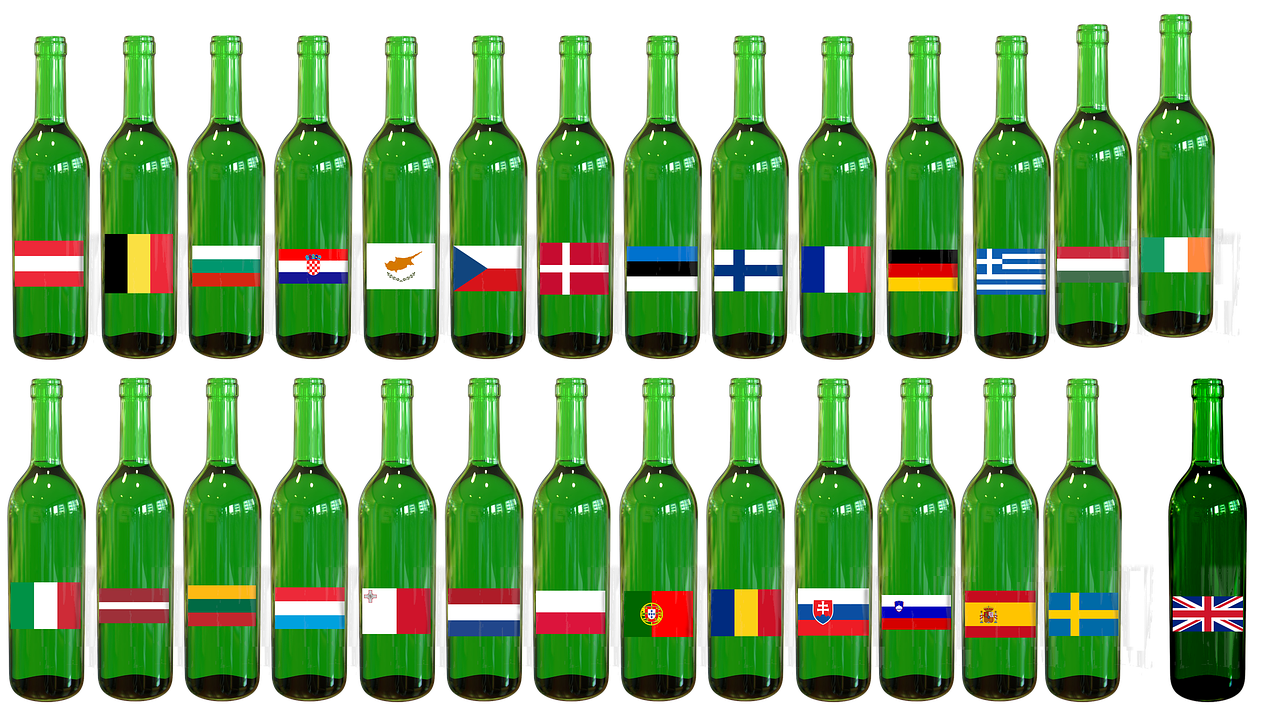

The Impact of Brexit on Bilateral Trade Between the UK and EU
The decision of the UK to leave the European Union, commonly referred to as Brexit, has had profound implications for bilateral trade relations. After years of negotiations, the official exit on January 31, 2020, marked a turning point, fundamentally altering the economic exchanges between the UK and EU member states. Brexit challenged the previously established trade agreements that allowed seamless trade without tariffs or quotas. The immediate impact of these changes was felt across various sectors, particularly in industries that heavily rely on cross-border supply chains, such as automotive and electronics. New customs procedures came into effect, resulting in delays and increased costs for businesses engaged in international trade. Furthermore, changes in regulations and standards introduced additional complexities. Trade policies needed urgent reevaluation due to the loss of privileges tied to EU membership, affecting how goods and services are traded. British businesses encountered obstacles, including the need to adapt to differing standards, which presented challenges for maintaining competitiveness in EU markets. As the UK sought new trading partners globally, the focus on enhancing bilateral relations became increasingly important.
Tariffs and Trade Barriers
Since the implementation of Brexit, the introduction of tariffs has reshaped the economic landscape. Goods traded between the UK and EU are now subject to tariffs that were previously eliminated under EU agreements. Notably, the imposition of these tariffs contributes to rising costs for consumers and businesses alike. The imposition of customs checks also generates friction within established supply chains, as companies must now navigate additional documentation requirements. Industries such as agriculture, fishing, and food processing have been particularly hard hit, leading to inefficiencies and potential food shortages. Businesses exporting to the EU face heightened complications due to the differing regulations and compliance protocols. This difficult situation demands that traders invest in knowledge and new logistics strategies to mitigate risks associated with the constantly evolving trade landscape. The government’s role in negotiating trade agreements with non-EU countries becomes crucial, but many business leaders express concerns about the impacts on the UK-EU relationship. Furthermore, the impacts of these tariffs may lead to significant job losses across sectors that depend heavily on exports to Europe, thus affecting the overall economic output of the UK.
The services sector, particularly financial services, is another critical area affected by Brexit. Before the separation, UK-based financial firms enjoyed passporting rights, allowing them to operate seamlessly across EU member states. Post-Brexit, these rights have been lost, resulting in many financial institutions relocating operations to maintain access to EU markets. Markets have also become more fragmented, with uncertainties prompting companies to reassess risks in capital management and trading operations. Many financial services firms are now required to establish subsidiaries within the EU to continue their operations, leading to additional operational costs and complications. The City of London, once seen as the leading financial hub of Europe, may see a reduction in its attractiveness and influence. This trend could eventually result in a shift of investment and job opportunities to other cities in the EU. As businesses adapt, innovation in financial technologies might provide new opportunities, but the short-term effects may include economic instability and an uncertain growth forecast. Therefore, assessing Brexit’s long-term impact on services trade remains essential for understanding future economic relations between the UK and EU.
Impact on Small Businesses
Small and medium-sized enterprises (SMEs) form the backbone of the UK economy, yet they have faced significant challenges due to the alterations in trade relations post-Brexit. These smaller businesses often lack the resources to navigate the complex new trade frameworks efficiently. Consequently, they experience higher costs in compliance and logistics, which can hamper their competitiveness. Many SMEs are heavily dependent on European markets for exports, making them particularly vulnerable to the changes in tariff structures and regulations. Additionally, the changes have created a climate of uncertainty that deters investment and growth opportunities within these organizations. Efforts to target new markets outside Europe become imperative but may pose inherent risks for SMEs that have traditionally relied on EU markets. To combat these challenges, numerous initiatives have emerged offering assistance in adapting business models for a changing trade environment. Networking and mentorship opportunities within local communities aim to bolster resilience among SMEs as they explore new avenues for trade. Such support becomes critical for sustaining local economies adversely affected by Brexit’s implications on bilateral trade.
Despite the challenges posed by Brexit, there are also potential opportunities that could arise for the UK. The departure from the EU allows the UK to pursue its own independent trade agreements with countries worldwide. By leveraging its economic position, the UK could potentially create advantageous trade deals that cater to its specific industries, enhancing opportunities for growth. This pursuit of new markets could particularly benefit sectors such as technology, pharmaceuticals, and renewable energy, which hold significant global influence. Engaging with fast-growing economies and developing nations presents a new frontier for trade that may offset some losses incurred within EU markets. Additionally, the flexibility to negotiate tailored agreements may attract foreign investment, fostering economic dynamism in the UK. However, negotiations with new trading partners take time and effort, intensifying the need for strong diplomatic relations. Policymakers must balance the pursuit of new opportunities against the continuing relationship with the EU, prioritizing positions that safeguard UK interests. Ultimately, while challenges remain, there exists potential for the UK to redefine its trade relationships in a post-Brexit landscape.
Future Trade Relations and Cooperation
As time progresses, shaping a sustainable relationship between the UK and EU becomes pivotal. Building new frameworks for cooperation that address current obstacles while enhancing trade efficiency is crucial for fostering a robust economic landscape. This collaboration can take many forms, including harmonization of regulatory standards and mutual recognition agreements, ultimately easing trade barriers. Potential improvements in technology-driven customs processes can help streamline cross-border transactions, laying the groundwork for increased trade flow. To this end, ongoing dialogues between policy experts and trade representatives from both sides will be vital. Emphasizing transparency in negotiations and prioritizing the interests of businesses is essential for achieving favorable outcomes. Some UK officials argue in favor of seeking alignment with the EU in specific regulatory areas, believing that this could minimize non-tariff barriers. Continuous assessment of trade agreements’ impacts will help inform future decisions, allowing both parties to adjust to changing economic conditions. Proactive engagement from businesses is vital for reinvigorating these trade relations, fostering partnerships that can withstand economic uncertainties. Thus, the trajectory of future UK-EU relations will depend heavily on collaboration and strategic adjustments.
In conclusion, the impact of Brexit on bilateral trade between the UK and EU presents a multifaceted relationship marked by both challenge and opportunity. Businesses need to adapt quickly to new trade regulations, tariffs, and customs protocols while keeping an eye on emerging markets. As companies navigate this changing landscape, support from governmental bodies and industry organizations becomes essential. There is also a significant need for constant communication regarding new trade policies and their implications, ensuring that businesses remain informed and prepared. The evolving dynamics of international trade must be carefully assessed to identify sustainable paths for economic growth. Addressing the concerns of SMEs and being responsive to their needs will be critical to ensuring these businesses thrive in turbulent times. Continuous dialogue and cooperation between the UK and EU can help pave the way for beneficial arrangements that enhance trade relations. As we observe the ongoing developments, the story of UK-EU trade relations remains fluid and full of potential, dependent on proactive engagement, innovative approaches, and a commitment to mutual economic success.
Trade relations between nations are constantly in flux, influenced by political, economic, and global trends. Understanding the implications and strategies around trade, particularly in the face of significant events like Brexit, is essential for policymakers and businesses alike. Businesses must adapt to changes and potential disruptions to trade flows as they continue to operate in an international environment. Assessing the effects of Brexit on specific sectors is crucial for understanding the long-term implications on bilateral trade relations. Adapting business practices and engaging in new markets can provide a pathway for success amid the evolving global trade landscape. As countries navigate these new relationships, fostering resilience and adaptability will ultimately shape the future of international trade collaborations.