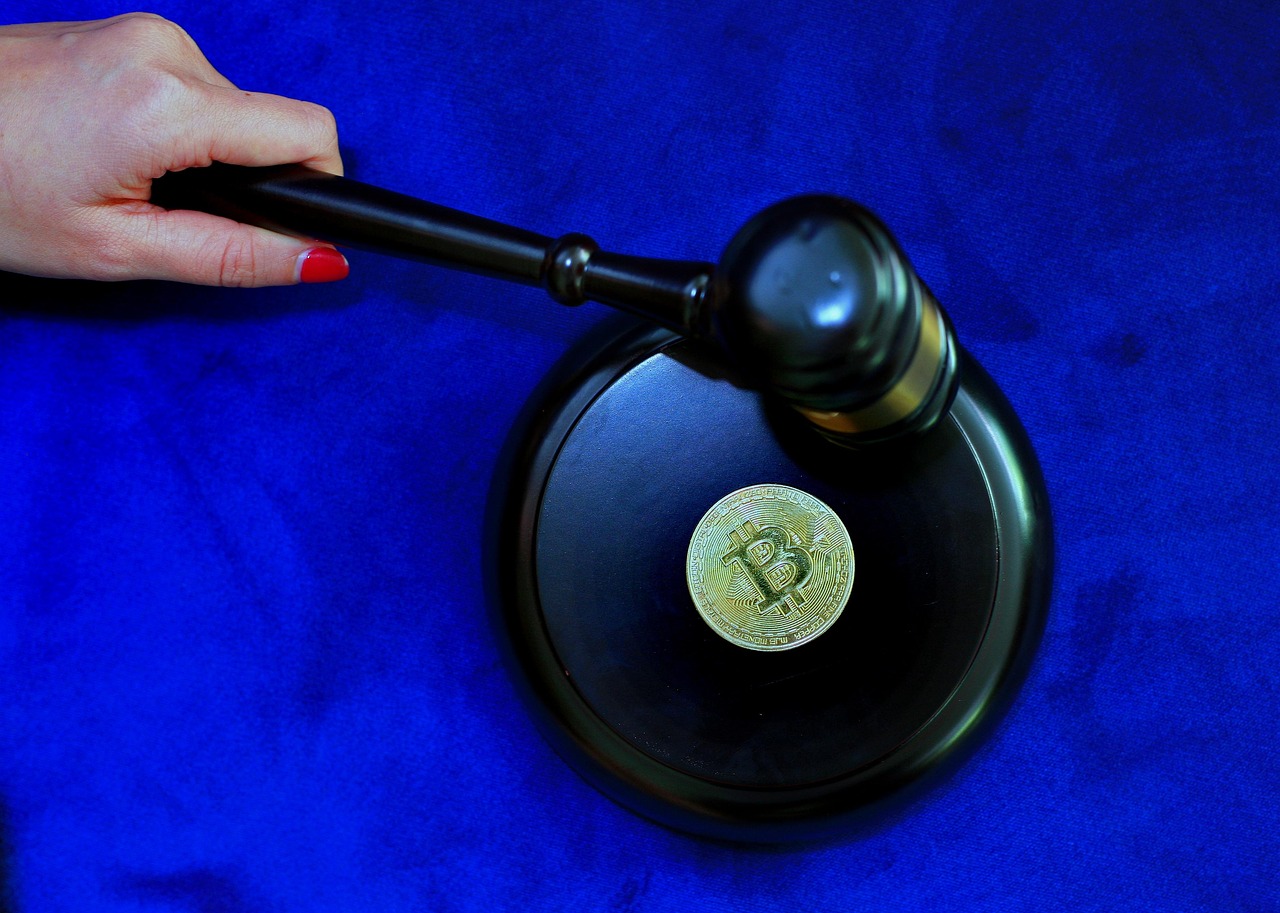

The Role of Regulation in Cryptocurrency vs Stock Market Trading
The financial landscape is undergoing a transformation, especially with the increasing prominence of cryptocurrencies. As investors explore diverse opportunities, the significance of regulation in trading becomes a focal point. The stock market has decades of established regulatory frameworks that govern activities, promoting stability and protecting investors. Contrarily, the cryptocurrency sector is still in its formative years, often characterized by uncertainty regarding compliance and regulatory oversight. This discrepancy raises critical questions regarding investor protection, fraud, and market manipulation across both domains. In stock trading, regulatory bodies such as the Securities and Exchange Commission (SEC) enforce rules to maintain market integrity. This contrasts sharply with the crypto market, where numerous exchanges operate independently, often without rigorous regulatory scrutiny. As cryptocurrencies face ongoing debates regarding classification, the lack of standardization may pose risks. Understanding the role of regulation in both environments helps investors navigate the complexities involved, helping them make informed decisions. Consequently, bridging the gap between crypto and traditional markets may require collaboration with regulatory entities to cultivate a safer trading environment for everyone involved.
One key distinction between cryptocurrencies and stocks lies in their regulatory frameworks. Stocks are heavily regulated, with laws designed to protect investors from fraudulent activities. Compliance with regulations fosters trust, as investors rely on public disclosures from companies. This is important because, when investors are informed, they can make educated decisions regarding their investments. On the other hand, the cryptocurrency market operates with less oversight. While some jurisdictions have introduced regulations, others remain ambiguous. This lack of regulatory clarity can deter potential investors due to the perceived risks associated with trading cryptocurrencies. Moreover, the decentralized nature of cryptocurrencies complicates enforcement. Without a central authority, scams and fraudulent schemes can proliferate more easily than in traditional markets. To improve the integrity of cryptocurrency trading, some argue that a robust regulatory framework is integral to protecting participants. This can aid in establishing trust and legitimacy, thus attracting more serious investors into the market. As the landscape continues to evolve, the need for comprehensive regulations may only grow more pressing. Ultimately, understanding these distinctions can guide informed investment strategies in both domains.
Investor Protection Mechanisms
Investor protection mechanisms vary across financial markets and are crucial to fostering confidence in trading. In the stock market, mechanisms like investor insurance through the Securities Investor Protection Corporation (SIPC) play an essential role. SIPC coverage helps protect investors if a broker becomes insolvent, reassuring them during turbulent times. Furthermore, stock exchanges typically enforce strict listing requirements, ensuring companies maintain transparency and accountability. This regulation provides investors with the necessary information to assess risks and opportunities accurately. Conversely, the cryptocurrency market lacks similar safety nets. While a few cryptocurrency exchanges have implemented insurance solutions, comprehensive protection remains limited. Investors cannot always trace the legitimacy of exchanges, leading to multifaceted risks from hacking incidents, fraud, and market volatility. The absence of regulatory bodies further complicates the scenario, as there are no frameworks to resolve conflicts. Thus, legislative efforts are underway in various countries to enhance consumer protection in cryptocurrencies. These measures aim to establish higher standards for exchanges and ensure clear operational guidelines, ultimately giving participants more tools to navigate the evolving investing landscape securely.
Market manipulation is a concern prevalent in both stock and cryptocurrency trading; however, regulatory responses differ significantly. In the stock market, entities like the SEC actively monitor trading activities to deter and penalize manipulation tactics. They enforce laws against insider trading, pump-and-dump schemes, and other unfair practices, preserving a level playing field for participants. These reputational repercussions cultivate an environment where investors can trade with greater assurance. Conversely, the cryptocurrency scene is frequently associated with higher instances of manipulation due to its less regulated nature. Whale trading, where large holders influence prices, and spoofing, where false orders manipulate market perception, are common in crypto markets. Limited oversight allows these practices to persist, lending an air of unpredictability. The challenge lies in adequately addressing manipulation, as regulations are still being developed. As more regulatory bodies examine the intricacies of cryptocurrency trading, the potential for future regulation can lead to better protection against manipulation. Consequently, establishing a regulatory framework can instill confidence in potential investors wary of high volatility and manipulation risks that characterize these markets.
The Future of Cryptocurrency Regulation
The future of cryptocurrency regulation is a widely discussed topic, reflecting the pressing need for a balanced approach to foster innovation while ensuring investor protection. As cryptocurrencies gain traction and acceptance, regulatory bodies worldwide are exploring various strategies to implement appropriate frameworks. Striking a balance can allow the sector to flourish and safeguard participants who are often exposed to significant risks. Policymakers are addressing crucial issues like fraud, tax implications, and user privacy as they create these regulations. Engaging key stakeholders in the cryptocurrency ecosystem, including entrepreneurs and investors, contributes to the development of informed regulatory approaches. These discussions help clarify legal status, taxation requirements, and operational guidelines, facilitating the establishment of trust in the market. Additionally, international collaboration is essential to create cohesive regulations as cryptocurrencies cross borders. A harmonized approach helps ensure consistency, reducing the likelihood of regulatory arbitrage where businesses exploit lax regulations in some jurisdictions. As regulatory frameworks solidify, the cryptocurrency market’s legitimacy can enhance investor confidence, leading to a more stable and reliable trading environment for everyone involved.
Despite the ongoing trends towards regulation, there is a philosophical divide between traditionalists advocating for stringent regulations and libertarians who prioritize the autonomy of cryptocurrencies. Those in favor of regulation argue that it provides necessary protections, enhancing investor confidence and promoting market stability. They believe that well-defined rules can reduce fraud and ensure that cryptocurrencies are not misused for illicit purposes. In contrast, proponents of decentralized systems argue that excessive regulation could stifle innovation and delay the evolution of cryptocurrencies and blockchain technology. They emphasize the importance of maintaining a decentralized financial ecosystem where individuals can engage without heavy interference. Balancing these opposing views remains a significant challenge for regulators tasked with creating efficient frameworks. Addressing advocacy from both sides, regulators must engage in thoughtful discourse to find common ground to support innovation while establishing protections. Ultimately, the success of regulatory efforts lies in their ability to foster growth, promote transparency, and protect investor interests. As discussions continue, understanding these divergent perspectives enhances the dialogue surrounding the future of cryptocurrency regulation in relation to traditional markets.
Conclusion and Key Takeaways
In conclusion, the roles of regulation in cryptocurrency and stock market trading highlight crucial differences. Stock markets operate under established regulatory frameworks that ensure investor protection and promote market integrity. These frameworks support confidence among investors. Conversely, the evolving landscape of cryptocurrencies presents challenges due to the lack of comprehensive regulations, making participants vulnerable to risks. As the crypto industry matures, the development of effective regulations will be vital to bridge the gap between traditional and digital investments. The need for clarity and protection will drive regulatory bodies to address fraud, manipulation, and consumer safety. Collaboration with stakeholders across the cryptocurrency ecosystem ensures that regulations evolve to reflect market needs while protecting investors. Moreover, continued dialogue surrounding regulatory philosophies will shape the future of trading practices. Key takeaways from this analysis include understanding the importance of regulatory frameworks to ensure market stability, the need for investor protection measures, and the ongoing evolution of both financial markets. As investors navigate both landscapes, awareness of the regulatory role allows them to make informed choices while maximizing potential risks.
Finally, staying updated on current legislation is essential for anyone involved in either market. Regulatory changes can significantly impact trading conditions, affecting potential profits, and losses. Investors should be proactive in seeking knowledge about emerging regulations that might influence their strategies. Engaging with reliable news sources, participating in forums, and monitoring official announcements from regulatory bodies empower investors to stay ahead of the curve. Additionally, financial advisors and industry experts can serve as valuable resources. Building an informed community around cryptocurrency and traditional investments fosters an environment that encourages responsible trading and investment practices. Recognizing the synergistic relationship between regulation and trading practices enables investors to appreciate the broader context of their activities. Ultimately, understanding the regulatory frameworks underlying both markets equips investors with tools to navigate the complex world of trading. As regulatory landscapes continue to evolve, being informed ensures that investors can adapt and manage risks effectively.