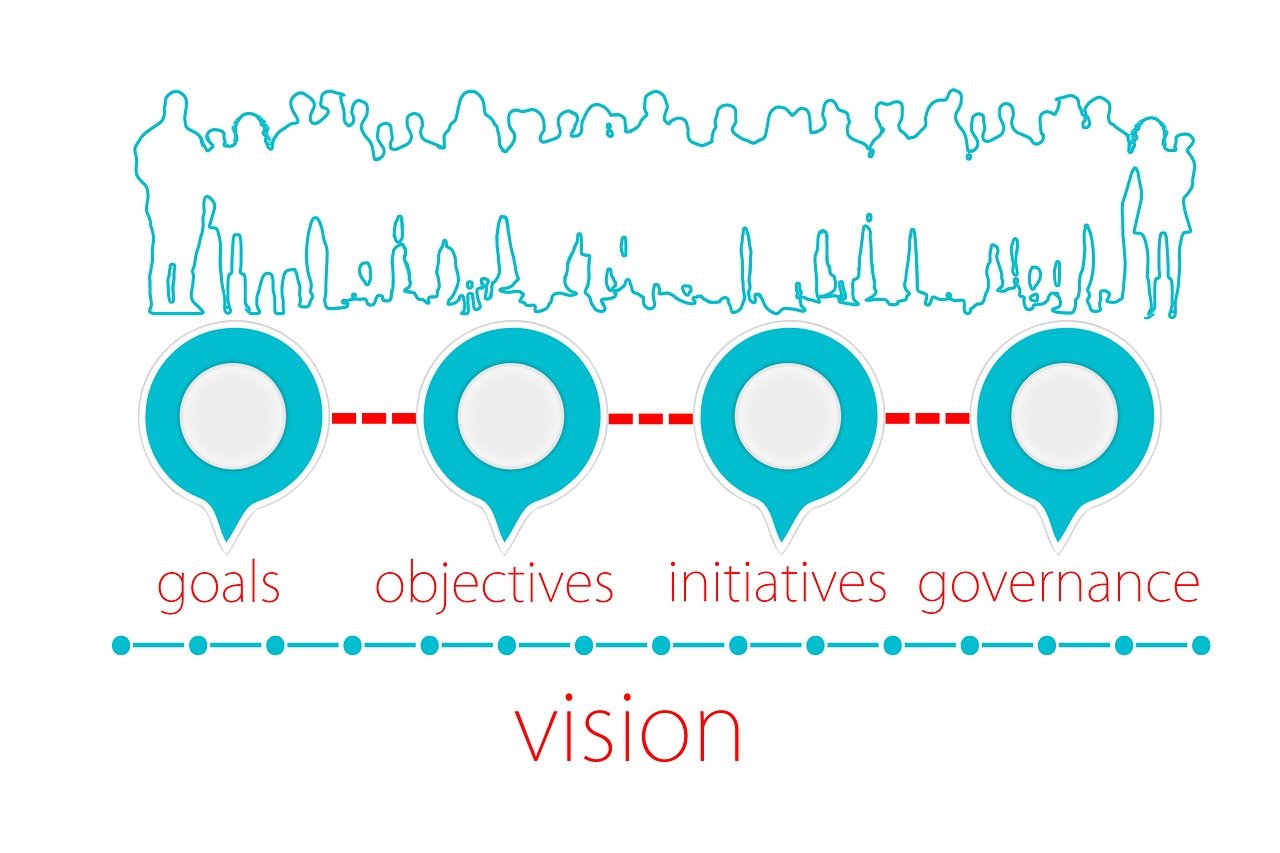

Social Initiatives Driving Corporate Social Responsibility
In recent years, the integration of social initiatives into Corporate Social Responsibility (CSR) has become crucial. Companies now recognize that being socially responsible goes beyond just complying with laws and regulations. It encompasses a commitment to contribute positively to society and address pressing social issues. This evolving perspective has given rise to various innovative social initiatives aimed at making a genuine difference. By aligning their business practices with societal needs, organizations foster stronger relationships with consumers and enhance their brand image. Furthermore, engaging in social initiatives can lead to improved employee morale and retention, as workers increasingly seek purpose in their roles. Notably, many businesses have adopted measures focusing on environmental sustainability, such as reducing carbon footprints and promoting eco-friendly practices. In addition to environmental concerns, social initiatives can also encompass education, healthcare, and community support, significantly impacting local populations. By implementing and investing in these initiatives, companies not only fulfill their ethical obligations but also position themselves competitively in the marketplace. As consumers become more conscientious about social issues, firms that prioritize these values may gain a substantial advantage over their less socially minded counterparts.
Building on the importance of social initiatives, it is essential to explore the various areas these initiatives can impact. Companies frequently engage in projects that address educational disparities, provide healthcare access, or support local communities. These initiatives deliver tangible benefits to society while simultaneously reinforcing a company’s commitment to ethical practices. They create opportunities for collaboration among corporate sponsors, non-profit organizations, and government initiatives, which results in comprehensive solutions to societal problems. For example, adopting programs such as scholarships or training programs can help to bridge educational gaps and empower underprivileged communities. Moreover, healthcare partnerships can extend services to low-income individuals, facilitating better access to necessary medical services. Corporations can also develop volunteering programs for employees, encouraging community service involvement. Corporate philanthropic efforts can complement these initiatives through charitable donations and sponsorships. The positive publicity surrounding successful social initiatives enhances a corporate image, often attracting more customers and investors. Ultimately, the existence of robust social initiatives underlines a company’s role as a responsible corporate citizen, dedicated to progress and innovation. This dedication can lead to a more sustainable approach to business, where profit and social responsibility coexist harmoniously.
The Role of Consumer Awareness
Consumer awareness significantly influences the implementation of social initiatives within CSR frameworks. Today, customers are more informed and concerned about the ethical practices of the companies they support. They actively seek out brands demonstrating commitment to social responsibility. This shift in consumer behavior pressures organizations to adopt authentic social initiatives that resonate with their values. For instance, brands that promote fair trade practices or environmentally friendly products often attract conscious consumers eager to support such efforts. Consequently, companies have strategically aligned their marketing efforts with these initiatives, showcasing their impact on society. This alignment not only enhances brand loyalty but also drives profitability. In response to rising expectations from consumers, many organizations allocate resources toward transparency and ethical supply chain management. By genuinely engaging in social initiatives, companies cultivate trust with consumers, fostering long-term relationships and enhanced reputations. However, it is critical that businesses approach their social responsibilities sincerely rather than as a mere marketing gimmick. Authenticity is paramount; consumers can discern when a company’s efforts are genuine, leading to potential backlash for insincerity. Ultimately, the role of consumer awareness in driving CSR initiatives reinforces the understanding that ethical business practices lead to sustainable success.
Furthermore, many organizations are leveraging technology to enhance their social initiatives. Innovations in technology enable companies to track and measure their social impact more accurately than ever before. Big data and analytics allow businesses to assess the effectiveness of their social initiatives, helping them make informed decisions on future projects. For example, companies can analyze consumer feedback and engagement patterns to determine which initiatives resonate best with their audience. This technological integration empowers businesses to refine their social initiatives, ensuring they are impactful and aligned with community needs. Additionally, social media platforms offer businesses avenues to promote their CSR activities, engage consumers, and generate broader awareness around their social initiatives. This direct line of communication encourages dialogue between companies and their stakeholders, fostering greater transparency and accountability. Furthermore, technology facilitates collaboration between organizations and nonprofits, amplifying the reach of their collective efforts. Most importantly, technology plays a pivotal role in shaping a new generation of corporate responsibility that is innovative and responsive. As businesses harness these tools and insights, their social initiatives can evolve dynamically, adapting to societal challenges and creating meaningful change. Thus, technology serves as a powerful ally in driving effective CSR practices.
Measuring Impact of Social Initiatives
A critical aspect of social initiatives is the measurement of their impact. While launching various projects is vital, evaluating their effectiveness allows for continual improvement. Companies need to establish specific metrics and benchmarks to assess not only the success of their initiatives but also their contribution to CSR goals. Common indicators include social, economic, and environmental factors that align with the goals of a project. For example, a company promoting educational initiatives might track student graduation rates or skills acquisition to measure success. Moreover, organizations can leverage feedback from communities served to understand their initiatives’ direct effects. When companies are transparent with results, they can build trust with employees, consumers, and stakeholders. This level of accountability reflects an organization’s dedication to making meaningful contributions. Additionally, regular reporting on social initiatives can highlight areas for improvement, ensuring resources are effectively allocated. Flowing from this emphasis on evaluation, businesses gain insights to adapt their strategies to meet changing community needs. As this cycle of evaluation and adaptation continues, the overall effectiveness of social initiatives improves. Thus, measurement remains an indispensable aspect of CSR strategy, facilitating long-term sustainability and responsiveness to emerging challenges within communities.
Moreover, corporate social responsibility can significantly enhance a company’s reputation. Engaging in social initiatives demonstrates that businesses prioritize community welfare alongside their profitability. This dual focus can attract socially conscious consumers who prefer brands actively participating in bettering society. Companies renowned for their robust CSR commitments also tend to inspire greater employee engagement, as employees feel motivated working for organizations striving to create positive change. Additionally, a solid reputation for social responsibility can differentiate a company from its competitors in congested markets. In an era where consumers are increasingly scrutinizing business practices, a strong commitment to CSR can serve as a unique selling proposition, thereby leading to increased customer loyalty and retention. This loyalty translates into sustained revenue growth, enabling businesses to support even more extensive social initiatives in the future. As the marketplace continues to evolve, the interdependence between corporate responsibility and business success will likely strengthen. Organizations that genuinely invest in their communities position themselves not only as leaders in their fields but also as champions for social good. In doing so, they illustrate the power of business as a force for positive change while reaping the rewards associated with a strong ethical standing.
Concluding Thoughts on CSR and Social Initiatives
In conclusion, the role of social initiatives in driving Corporate Social Responsibility is increasingly fundamental. Businesses now recognize the necessity of being engaged and proactive in addressing societal challenges. As companies embark on such initiatives, they align their strategies with the growing expectations of consumers and stakeholders, paving the way toward a more sustainable future. Authenticity is crucial in this endeavor; consumers demand genuine engagement over superficial commitments. Moreover, the impact of technological advancements continues to shape effective strategies in CSR, enabling businesses to analyze and optimize their efforts dynamically. In this iterative process, companies learn to adapt their initiatives to better serve community needs while enhancing their social impact. Furthermore, measuring the outcomes of social projects fosters accountability and performance enhancement, ensuring continued relevance in an evolving landscape. Lastly, the reputational benefits enjoyed by businesses characterized by a strong commitment to social responsibility underscore the integral connection between ethics and profitability. As the corporate landscape progresses, those organizations that fully embrace social initiatives will not only contribute significantly to societal welfare but also thrive in an increasingly conscientious marketplace.
Ultimately, the intersection of social initiatives and Corporate Social Responsibility can lead to transformative change, not only for businesses but also for society as a whole. By fostering environments where ethical practices, community engagement, and corporate responsibility intertwine, organizations set the stage for a brighter future. Companies pursuing these paths must remember that the efficacy of their CSR efforts lies in genuine commitment and consistent application. Building long-lasting relationships with communities and stakeholders is paramount. As organizations continue to innovate their social initiatives, they make profound contributions to societal needs, paving the way for constructive dialogue and collaboration. Engaging stakeholders, through sharing success stories, can amplify awareness and inspire others to act responsibly. Fostering a culture of social awareness within organizations encourages employees to become advocates for change in their communities. In essence, the journey of corporate responsibility is ongoing, evolving to meet the ongoing challenges faced across society. Together, businesses and communities can collaborate to create systems where success is measured not solely by profit but also by the positive impact on humanity. As we aspire to cultivate a sustainable future, let the shared responsibility for a better world drive the efforts of both corporations and communities alike.