
Statistical Methods for Analyzing Trade in Services Data
Understanding trade in services is becoming increasingly vital in today’s global economy. Statistical methods help analyze this complex area effectively. Traditional models often fall short, making innovative approaches central to deriving meaningful insights. Utilizing regression analysis provides clarity in understanding the relationship between variables influencing service trade volumes globally. This method evaluates the impact of economic indicators on service trade patterns, indicating shifts within markets. Time series analysis emerges as an invaluable tool, allowing analysts to detect trends over time, fostering better forecasting of future trade flows. Moreover, incorporating econometric methods enables consideration of variables like foreign investment and policy changes, ultimately enriching the analysis. Visualizing trade data through graphs and charts significantly enhances comprehension, allowing policymakers to interpret results more intuitively. In addition, machine learning techniques are increasingly applied to uncover hidden patterns and correlations within service trade data. These modern analytic approaches offer a fresh perspective, inspiring new strategies for enhancing international service exchanges. The combination of these methodologies highlights the importance of a comprehensive framework, ensuring analysts better understand trade dynamics in the contemporary world.
The application of statistical methods requires access to robust datasets that reflect the complexity of service trade. Data quality is paramount; thus, understanding how to acquire and manage this data is crucial. Various organizations and databases compile service trade statistics, providing a valuable resource for analysis. Analysts must critically evaluate the sources and methodologies used in data collection to ensure reliability and validity. Important factors to consider include the accuracy of country-level reporting and the proper categorization of services offered. Adopting standardized categorization methods, like the International Standard Industrial Classification (ISIC), can ensure consistency across datasets. For deeper insights, analysts should consider disaggregating data to uncover trends by service sector, helping identify growth opportunities. Additionally, assessing seasonality effects on trade data can enhance understanding of peak activity periods and inform better decision-making. Tools such as R and Python can assist in performing sophisticated analyses, allowing for efficient processing of sizable datasets. Ultimately, mastering the management and analysis of service trade data will empower economists and decision-makers to formulate strategies that bolster international trade relations and economic performance.
Large Datasets and Their Management
Handling large datasets is crucial for effective analysis of trade in services, presenting both challenges and opportunities. The rise of big data has introduced advanced methods for data storage and processing, allowing organizations to manage voluminous information efficiently. Various database management systems (DBMS) exist to support this need, ensuring data integrity and accessibility. Analysts must become familiar with technologies such as SQL, which enable efficient querying of large data warehouses. Additionally, cloud-based solutions provide scalable resources, adapting to varying data processing needs as they grow. Data cleaning becomes a critical step in managing large datasets, as incomplete or inconsistent data can lead to misleading analyses. Implementing strict data validation rules is advisable to maintain quality throughout the data lifecycle. Furthermore, incorporating data visualization tools provides insightful representations, simplifying complex datasets for analysis. Techniques like data sampling may also be applied to streamline processes while retaining necessary information. Ultimately, overcoming the challenges associated with large datasets empowers analysts to derive accurate, timely insights, supporting informed decision-making within the realm of international trade in services.
Statistical inference plays a crucial role in analyzing trade in services, allowing analysts to draw conclusions from sample data. This method involves estimating population parameters, thus facilitating comprehensive understanding while avoiding data overload. Hypothesis testing helps determine the significance of relationships observed in the service trade data, guiding policy formulations. Moreover, confidence intervals provide insight into the reliability of estimates, essential for sound decision-making. Statistical significance levels, such as p-values, assist analysts in determining whether observed trends are likely to be genuine or merely random occurrences. Another vital method is the use of multivariate statistics, which enables a thorough evaluation of multiple variables simultaneously. This technique helps identify interaction effects among various factors influencing service trade, ensuring a holistic viewpoint. In addition, implementing Bayesian statistics can improve the rigor of the analysis by incorporating prior beliefs and continuously updating understanding as new data emerges. Overall, these statistical techniques culminate in an advanced approach to interpreting trade in services data, fostering informed policy strategies and economic growth initiatives globally.
Innovative Techniques in Data Analysis
Innovation in statistical techniques and data analysis significantly enhances our understanding of trade in services. For instance, applying machine learning algorithms can lead to the discovery of complex patterns in large datasets, which traditional methods might overlook. These algorithms enable predictive analyses that assess future trade flows based on historical patterns, informing strategic planning. Clustering techniques can identify similar service sectors and potential markets for exporters, guiding businesses in targeting strategies. Furthermore, utilizing natural language processing (NLP) to analyze trade documents can extract valuable insights from unstructured data sources. By analyzing qualitative data related to service trade, organizations can gain a comprehensive view of market trends. Advanced statistical techniques, such as structural equation modeling, allow for evaluating complex relationships within service trade systems, leading to improved understanding of underlying dynamics. Moreover, data envelopment analysis (DEA) can assess the efficiency of different service sectors, helping allocate resources more smartly. The amalgamation of these innovative techniques highlights the growing importance of data-driven strategies in navigating the international trade landscape, ultimately fostering service industry enhancement and global collaboration.
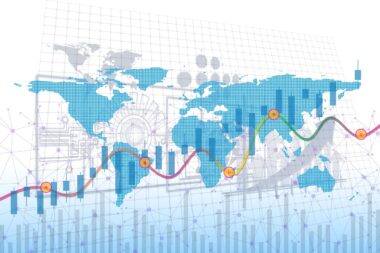
The visualization of trade in services data is equally important, as it transforms complex statistical findings into accessible insights. Effective data visualization techniques utilize charts, graphs, and maps to represent intricate information visually. This allows stakeholders to identify patterns quickly and comprehend relationships among various service sectors and trade dynamics. Utilizing tools like Tableau and Power BI, analysts can create interactive dashboards that provide real-time insights into trade performance. Infographics can also convey critical data succinctly, making it easier for policymakers and business leaders to understand findings. Furthermore, employing geographic information systems (GIS) can enhance understanding of the spatial dimensions of service trade, enabling the identification of regional trends. It is essential to tailor visualizations to the target audience, ensuring that the presented information serves its intended purpose effectively. Additionally, incorporating storytelling elements in data presentations can engage audiences, making it easier for them to grasp complex statistics. By prioritizing effective visualization strategies, analysts can improve communication and facilitate better decision-making processes within the international trade context, ultimately enhancing service sector performance across regions.
The Future of Trade Analysis
As global trade in services evolves, so must the statistical methods used for analysis. The future of trade analysis will likely involve greater emphasis on real-time data and the integration of artificial intelligence. New technological advancements promise to provide insights at unprecedented speeds, allowing stakeholders to make informed decisions promptly. The incorporation of blockchain technology could ensure data transparency and reliability within service transactions, further supporting trade analysis. Furthermore, the focus on sustainability may reshape analytical approaches, as environmental and social factors gain importance in trade assessments. Analysts must adapt to these changes, developing methodologies that account for such evolving dynamics. Additionally, facilitating collaboration among international organizations can foster shared insights, enhancing global trade strategies. Training future analysts in emerging methodologies and technologies becomes crucial. Educational programs should emphasize data analytics, machine learning, and emerging statistical approaches, equipping analysts with the tools they need to address tomorrow’s challenges. In conclusion, embracing innovation and flexibility in analytical frameworks will ensure that trade in services data analysis remains relevant and effective in an ever-changing global landscape.
In summary, the field of statistical methods for analyzing trade in services data is constantly evolving, presenting both challenges and opportunities for analysts worldwide. As new techniques emerge, a commitment to continuous learning and adaptation is essential. Expanding knowledge in both traditional and innovative statistical methods will empower analysts to generate actionable insights and inform policy decisions effectively. Furthermore, the interplay between data management, visualization, and analysis remains critical, as each element contributes to a holistic understanding of trade dynamics. Strengthening analytical capabilities within organizations will enhance their ability to respond to shifts in the global market and capitalize on opportunities for growth. Furthermore, promoting collaboration among analysts, policymakers, and businesses can augment the efficacy of data analyses, creating a vibrant ecosystem for trade in services. As the landscape continues to change, remaining open to new ideas and methodologies will propel the field forward, ensuring that analysis keeps pace with the complexities of international trade. The ultimate goal is to harness the full potential of service trade data, contributing to better economic outcomes and fostering a more interconnected global economy.