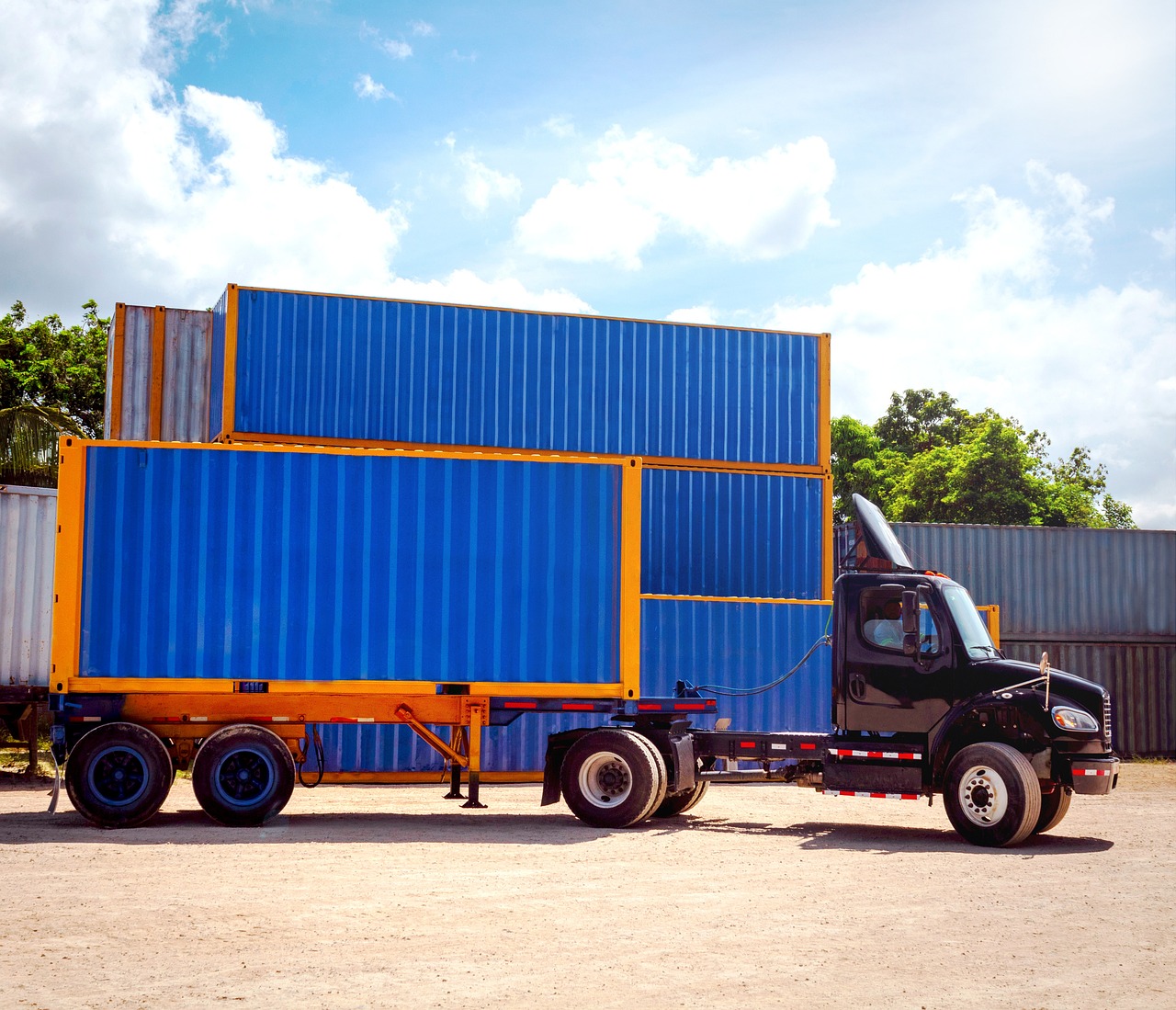

Customs Brokerage: Streamlining International Trade Processes
In the realm of international trade, customs brokerage plays a crucial role in facilitating the seamless movement of goods across borders. A customs broker acts as an intermediary between exporters and importers, ensuring compliance with various regulations and laws. The process of customs clearance can be complex, involving substantial paperwork and adherence to specific requirements outlined by customs authorities. Thus, employing a customs broker not only mitigates potential delays but also reduces the risk of costly penalties associated with non-compliance. Companies that engage in international commerce can benefit significantly from expertise in logistics and thorough understanding of tariffs, taxes, and customs regulations. For instance, effective customs brokerage provides insights into the classification and valuation of goods, ensuring the accurate representation of shipments. Additionally, brokers can represent clients in disputes resulting from inspections or audits, often resolving issues faster than the average business could manage independently. This allows companies to focus on core operations while leaving intricate customs processes in expert hands, thereby achieving greater operational efficiency and profitability in global markets. Partnering with a reliable broker is paramount for businesses aiming to streamline international logistics effectively.
Moreover, customs brokerage encompasses several services essential for optimizing international trade processes. These services include documentation preparation, tariff classification, and duty payment facilitation. Effective navigation of these components is critical for businesses, as improper documentation alone can lead to significant delays and increased costs. Customs brokers work diligently to gather and submit invoices, transport documents, and certificates of origin, ensuring that shipments are compliant with both local and foreign regulations. Additionally, brokers stay current with changes in customs laws, which can significantly impact trade compliance and logistics strategies. For businesses exporting or importing goods, knowledge of preferential trade agreements and free trade zones can also be advantageous, as these aspects may reduce tariffs and facilitate smoother transactions. While some companies may consider managing customs processes in-house, the expertise and resources required often outweigh the perceived savings. Companies keen on maintaining efficient supply chains should recognize that partnering with skilled customs brokers ultimately enhances operational capacity and responsiveness, thus fostering sustainable growth within the competitive landscape of international markets.
The role of technology in customs brokerage cannot be overstated, as advancements continue to revolutionize trade logistics. Many customs brokers now leverage state-of-the-art software solutions that streamline documentation, tracking, and communications between various stakeholders involved in international shipping. For example, electronic filing systems can significantly expedite the clearance process, minimizing delays and improving overall efficiency. Additionally, integrating automated workflows and real-time tracking offers businesses greater visibility into their shipments, enabling swift action in case of unforeseen circumstances. With the global push towards digital transformation, customs brokers that adopt these innovations position themselves as valuable assets in the international trade landscape. Furthermore, technology plays a crucial role in risk management strategies; brokers can utilize data analytics to predict potential challenges in customs processes and proactively mitigate any issues. As the industry evolves towards increased connectivity and optimized resources, businesses must prioritize establishing digital relationships with proficient customs brokers to maintain competitive advantages. Investing in technology-driven brokerage services not only fosters compliance but enhances overall agility in responding to emerging market demands, securing future organizational success.
Benefits of Engaging a Customs Broker
Engaging a customs broker brings multiple benefits that contribute to more efficient international shipping processes. First and foremost, these professionals possess in-depth knowledge of ever-changing trade regulations. As laws often vary across countries and regions, staying updated on these changes is imperative for businesses to avoid penalties and delays. Customs brokers also help businesses navigate the complexities of import and export tariffs, which can affect the overall cost of trading activities. By obtaining accurate information regarding duty rates, brokers enable companies to budget more effectively and negotiate better pricing with clients or suppliers. Moreover, customs brokers save businesses precious time by handling necessary documentation and ensuring timely submissions to customs authorities. In the fast-paced world of international trade, efficiency is crucial to maintaining competitive advantages. Furthermore, utilizing customs brokerage services enhances businesses’ ability to focus on their core competencies and strategy, as logistics and compliance tasks are delegated to experts. This division of labor allows companies to concentrate better on growth and innovation while their customs broker works tirelessly to ensure smooth and uninterrupted trade activities across borders.
Another significant advantage of customs brokerage services is the risk reduction involved in global shipping. Engaging a knowledgeable customs broker can help businesses minimize or avoid legal complications arising from non-compliance with trade regulations. By ensuring that all necessary permits, licenses, and documents are secured, customs brokers play an essential role in protecting companies from customs audits, fines, or shipment seizures. Consequently, organizations can engage in international trade without the looming fear of significant operational disruptions. Beyond compliance, customs brokers can also identify opportunities to optimize shipping routes and reduce costs associated with duties and tariffs. By providing actionable insights on the best shipping practices and alternate routes, brokers enable businesses to maximize profitability. Additionally, these professionals act as advocates during inspections or challenging customs situations, ensuring that their clients have the proper resources and support to navigate any difficulties. Ultimately, businesses that leverage the expertise of customs brokers can operate with greater peace of mind, fostering confidence in their international shipping initiatives while enhancing overarching efficiency and performance within the global market landscape.
Future Trends in Customs Brokerage
Looking ahead, several trends are set to shape the future of customs brokerage and international trade processes. One noteworthy trend is the increasing reliance on automation and artificial intelligence within the industry. By employing these technologies, customs brokers can streamline repetitive tasks, significantly reducing human error rates and improving efficiency in documentation and compliance processes. As machine learning algorithms are utilized to analyze trade volume trends and customs data, businesses gain valuable insights to optimize their operations and anticipate market dynamics. Another trend is the growing focus on sustainability in international trade. More businesses are implementing environmentally friendly practices, from packaging materials to shipping methods. As a result, customs brokers will play a vital role in guiding companies towards sustainable compliance. Furthermore, the continued expansion of global e-commerce indicates the need for brokers to adopt innovative solutions tailored to address the unique challenges presented by cross-border online sales. These developments underscore the vital importance of customs brokerage in adapting to the evolving landscape of international trade. Consequently, organizations should prioritize partnerships with forward-thinking brokers to ensure their growth remains aligned with emerging trends and customer expectations.
Additionally, the concept of end-to-end visibility is increasingly becoming a focal point in customs brokerage. Clients demand more transparency and real-time tracking of their shipments throughout the entire logistics process. As consumers’ expectations continue to rise for rapid and reliable delivery, customs brokers must adopt advanced tracking technologies and provide comprehensive access to shipment status. Furthermore, enhanced communication between all parties involved in supply chain activities will play a pivotal role in fostering collaboration. This approach helps minimize potential disruptions while maintaining streamlined operations. Embracing collaborative platforms and data-sharing tools will empower businesses to make informed decisions and react effectively to dynamic market conditions. As global trade expands, increasing regulatory pressures will further compel customs brokers to develop efficient compliance protocols and maintain strong relationships with customs authorities. Robust and transparent communication will be necessary for navigating intricate regulatory requirements successfully. In summary, customs brokers must remain adaptable and innovative, continuously refining their strategies to cater to evolving demands and expectations of both businesses and regulatory bodies, ultimately ensuring success in the sphere of international trade.
In conclusion, customs brokerage serves as the backbone of international trade by simplifying and streamlining logistics processes. The collaboration between customs brokers and businesses fosters greater compliance and efficiency, enabling organizations to navigate the complex world of global commerce effectively. As trade regulations become more intricate and dynamic, the importance of having a knowledgeable customs broker becomes increasingly evident. Companies that invest in skilled customs brokerage services benefit from reduced risks, enhanced operational efficiency, and heightened competitiveness. Additionally, embracing technology and innovative solutions will be crucial as the industry continues to evolve. By leveraging advanced tools and data-driven insights, customs brokers and their clients can optimize processes and stay ahead of market trends. Furthermore, as sustainability and transparency become integral to international trade, customs brokerage will adapt to meet these emerging demands. In this landscape, businesses that prioritize collaboration with proficient customs brokers not only enhance their trading capabilities but also secure long-term success. Organizations must recognize the essential role customs brokers play and strategically partner with them to thrive in a world increasingly defined by globalization and interconnected trade.