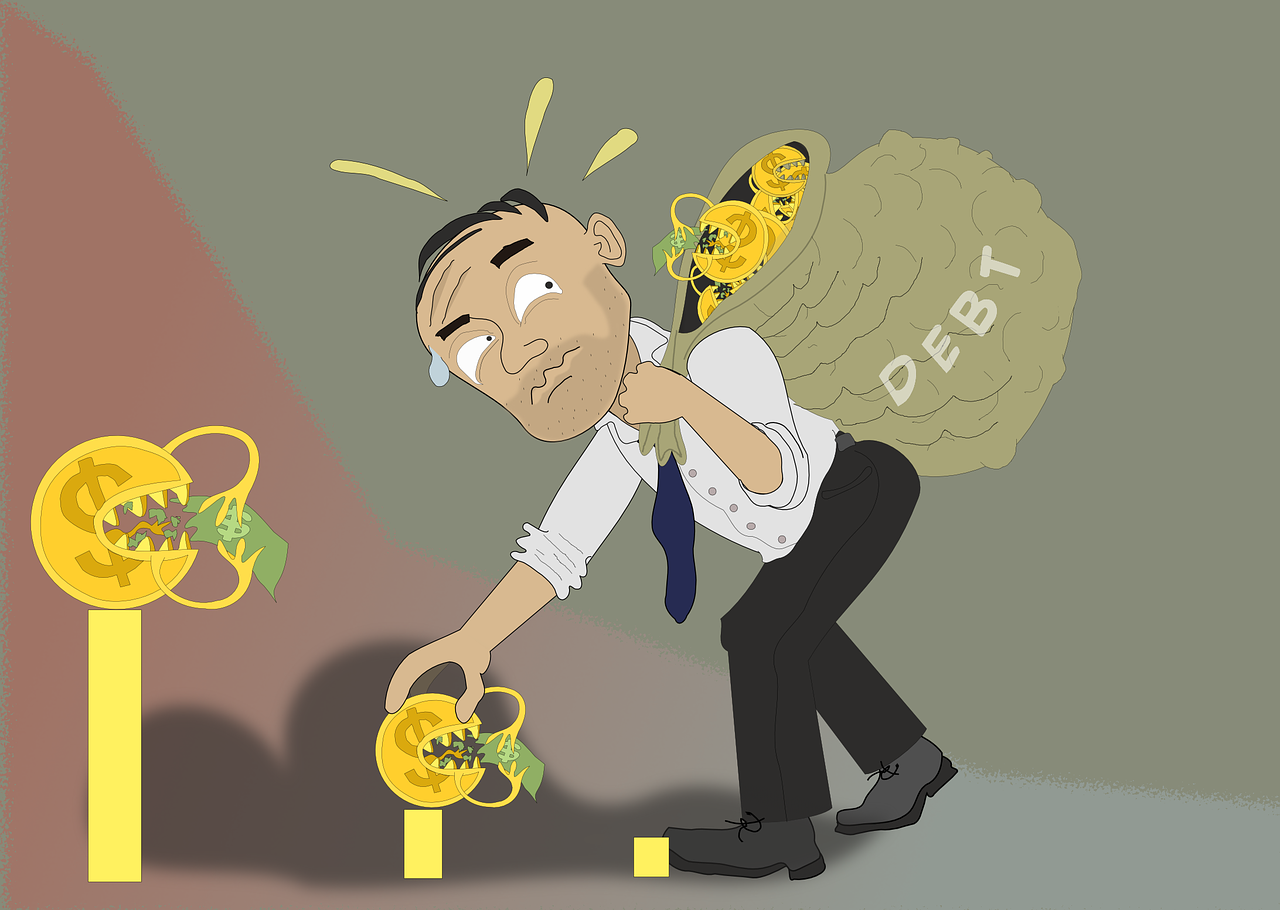

Exploring the Role of Creditworthiness in Unsecured Debt Approval
Understanding the distinctions between secured and unsecured debt is crucial for anyone navigating the world of finance. Secured debt typically involves collateral, such as a car or a house, which can be seized if the debt is not repaid. In contrast, unsecured debt does not require any physical asset as collateral. Instead, it is based on the borrower’s creditworthiness. This distinction is particularly important as it impacts an individual’s ability to secure financing. Lenders assess credit history, income, and existing debt levels to determine the level of risk posed by issuing unsecured debt. Those with a strong credit score can often secure loans with favorable terms, including lower interest rates and higher borrowing limits. It is essential to grasp how these factors intertwine to prepare an individual for debt management effectively. Unsecured loans, like credit cards or personal loans, can be beneficial, but they also come with higher risks and costs compared to their secured counterparts. Awareness of these aspects can empower borrowers to make informed financial decisions.
The Importance of Credit Scoring
The concept of credit scoring plays a vital role in unsecured debt approval processes. Credit scores range from 300 to 850, with higher scores reflecting lower risk to lenders. A borrower’s credit score is calculated using several factors, including payment history, credit utilization, length of credit history, and types of credit accounts held. Aside from verifying the likelihood of repayment, lenders also consider the existing debt load relative to income. When applicants seek unsecured loans, the implications of their credit score have extensive consequences. Borrowers with strong credit scores may qualify for loans with competitive interest rates, while those with lower scores may face higher rates or even denial. Cultivating a solid credit score is therefore essential for anyone considering unsecured debt. Paying bills on time, maintaining low balances on revolving credit, and requesting credit responsibly can boost an individual’s score. Additionally, monitoring credit reports regularly ensures that all information is accurate, allowing timely corrections of errors that could negatively impact creditworthiness.
Factors such as income and employment history also significantly influence a lender’s decision regarding unsecured debt approval. Lenders aim to ascertain whether the borrower can afford to repay the loan under current financial conditions. A steady income signals stability, making prospective borrowers more viable candidates for unsecured loans. Individuals recently employed or with inconsistent income may encounter challenges when applying for unsecured credit. Furthermore, lenders assess the overall debt-to-income ratio. This ratio provides insight into the ratio of an applicant’s total monthly debt payments to their gross monthly income. A lower ratio often indicates a healthier financial outlook and greater ability to manage additional debt. Consequently, all parties must consider their income sources, stability, and current obligations to understand their debt management capabilities. Alongside credit scores, income assessment tactics provide lenders with a thorough profile of prospective borrowers. As one navigates the lending landscape, awareness of how income interacts with credit scoring in unsecured loans is essential for sound financial prudence.
The Role of Financial Behaviors
Financial behaviors also play a significant role in the context of unsecured debt approval. Responsible spending habits and strategic financial planning contribute to one’s creditworthiness. Those who manage their budget effectively are less likely to experience late payments or defaults, both of which can damage credit scores and borrowing potential. Utilizing personal finance tools and resources can assist individuals in tracking spending, budgeting adequately, and planning for unanticipated expenses. Additionally, it’s prudent to develop an emergency fund to furnish security when affording unexpected costs, ultimately leading to better financial behaviors. Before applying for an unsecured loan, individuals should assess their current financial situation accurately. Creating a list of all monthly expenses allows potential borrowers to identify areas for improvement, ensuring that the necessary amount is borrowed responsibly. Furthermore, lenders often favor borrowers who have demonstrated consistent management of finances over time, as this predictive behavior hints at future repayment reliability. Thus, cultivating positive financial habits fosters greater potential for successful unsecured debt applications.
While understanding creditworthiness is essential, it’s also crucial to comprehend the specific types of unsecured debt available today. Common examples include personal loans, credit cards, and student loans. Each of these loans offers different terms, interest rates, and repayment schedules that cater to various borrowing needs. Personal loans typically require a designated purpose, while credit cards offer revolving lines of credit and flexibility in payment. Student loans are designed for educational expenses and often come with special terms for repayment, such as deferment or income-based repayment options. Furthermore, it’s vital to understand how different lenders approach unsecured loan applications. Institutions may vary in their credit approval criteria and conditions. Consequently, researching multiple lenders to find favorable terms is prudent for potential borrowers. Weighing repayment terms, interest rates, and fees associated with each loan type allows individuals to select the best fit for their unique financial situation. A comprehensive approach to understanding unsecured debt types ensures that borrowing remains manageable and aligns with one’s long-term investment strategy.
Strategies for Improving Creditworthiness
Improving one’s creditworthiness is an achievable objective. Borrowers can enhance their credit profiles through several effective strategies. Firstly, reviewing credit reports for errors is crucial. If inaccuracies are detected, disputing those errors can lead to improved credit scores. Secondly, making timely payments on all existing debts is fundamental in demonstrating credit reliability. Setting up automatic payments or reminders can streamline this process, ensuring that deadlines are consistently met. Additionally, it’s advisable to maintain a healthy credit mix, meaning having a combination of installment loans and revolving credit. Diversifying credit types indicates to lenders that an individual can manage different forms of debt. Furthermore, reducing credit utilization, which is the ratio of credit used to total credit available, will also positively influence credit scores. Ideally, keeping usage below 30% is recommended. Lastly, borrowing only what one needs and avoiding excessive new applications for credit minimizes the risk of falling into debt traps. Overall, adopting these strategies leads to greater creditworthiness and opens more doors for unsecured debt approval.
In conclusion, the interplay of creditworthiness and unsecured debt approval is a vital factor influencing an individual’s financial health. Healthy credit scores, stable income, and responsible financial behaviors all contribute to achieving favorable outcomes in the borrowing process. Understanding the different facets of creditworthiness provides individuals with insights into how they can improve their chances of securing the financing they need. With the proper knowledge, individuals can navigate the complexities of unsecured debt, making informed choices that align with their financial objectives. They will not only enhance their creditworthiness through constructive habits but also position themselves to take advantage of favorable lending conditions. Therefore, as borrowers embark on their journey with unsecured debt, prioritizing a solid understanding of credit scores, behaviors, and income assessments will yield long-term benefits. Achieving unsecured debt approval becomes more attainable with sustained efforts in these areas, ultimately leading to enhanced financial well-being and security.