
How to Analyze Credit Reports for Better Monitoring
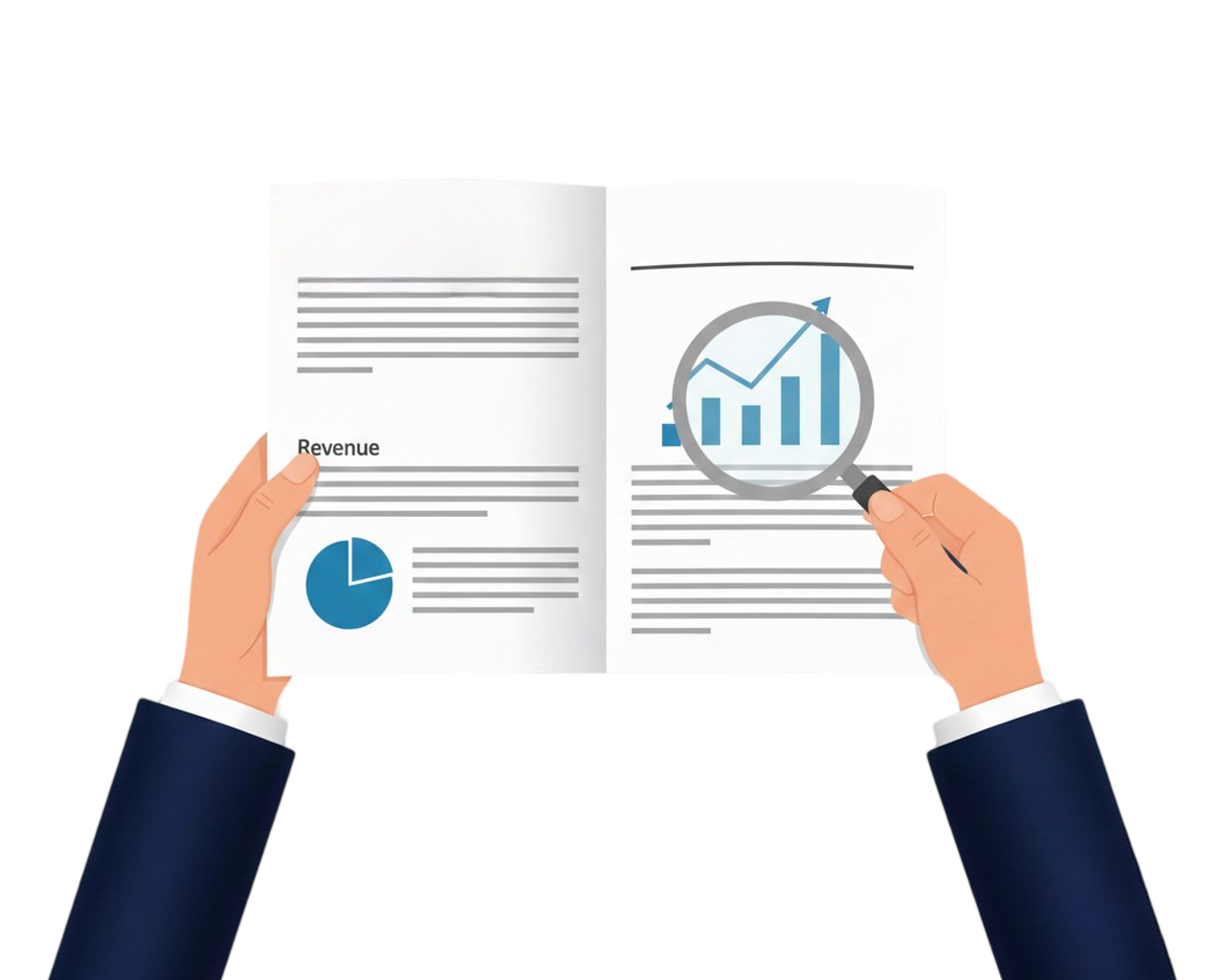
Understanding how to properly analyze credit reports is essential for effective credit monitoring. Credit reports provide valuable insights into an individual’s or organization’s creditworthiness. Here are some key components to consider when reviewing a credit report:
- Personal Information: Verify that your name, address, and social security number are correct.
- Accounts: Review each account listed to check for any inaccuracies.
- Payment History: Analyze on-time payments against any late payments.
- Credit Inquiries: Note the hard inquiries made over a period, as these can affect the score.
Understanding these components allows you to spot discrepancies or areas of improvement. The more you know about your report, the better prepared you are to identify potential issues. A thorough review ensures there are no fraudulent accounts or errors that could harm your credit score. Regularly checking your reports is essential, as it can help you take the appropriate steps towards maintaining a healthy credit profile. Thus, make credit report analysis a regular part of your financial routine.
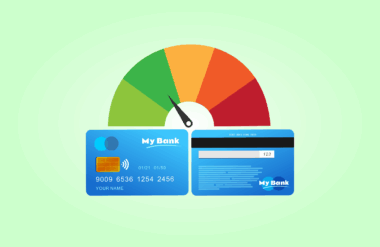
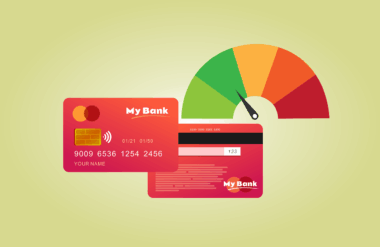
Another critical aspect of analyzing credit reports is understanding credit scoring. Credit scores range from poor to excellent and directly influence your ability to secure loans. Generally, a score below 580 is considered poor, while 700 or above is deemed good. Importantly, factors affecting your score include:
- Payment History: Accounts for 35% of your score.
- Credit Utilization: Represents 30% of your score and reflects how much of your total credit limit is being used.
- Credit History Length: Contributes 15% to your score; longer histories are generally better.
- Types of Credit: Diversification can positively impact your score.
- Recent Inquiries: Hard inquiries can negatively affect your score, though they diminish over time.
By understanding how different aspects influence your credit score, you can make informed decisions. This insight allows you to focus on improving specific areas that may be lacking, paving the way for better credit health.
Common Errors in Credit Reports
Errors in credit reports can significantly impact your credit score and overall financial health. Each year, millions of Americans potentially encounter inaccuracies in their reports. It’s crucial to conduct a thorough examination to uncover these errors. Some common mistakes include:
- Incorrect Personal Details: Spelling mistakes in your name or wrong addresses.
- Collections Not Belonging to You: Sometimes, debts can be mistakenly attributed to the wrong individual.
- Accounts Marked as Open: Old accounts may incorrectly show as open instead of closed.
- Numeric Errors: Mistakes in balances or payment histories can misrepresent your credit status.
These errors can lead to higher interest rates or loan denials. Rectifying these mistakes often involves filing a dispute with the credit reporting agency. It is a foundational aspect of maintaining credit health. Regularly analyzing your report helps catch these blunders early, allowing you to address them proactively.
In addition to errors, it’s essential to pay attention to trends that emerge in your credit history. Over time, you might notice patterns that can inform your monitoring strategies. For instance, if you consistently achieve late payments on specific bills, it might indicate a cash flow issue. Consider the following when analyzing trends:
- Frequent Late Payments: Indicates potential financial instability.
- High Credit Utilization: Suggests overreliance on credit, which can be risky.
- Credit Limits Changes: Be mindful of any reductions in credit limits by lenders.
- Account Openings or Closures: A sudden change in accounts can impact your score.
Recognizing these trends is crucial for understanding your credit behavior. It allows you to be proactive, implementing strategies to correct negative habits. Additionally, reporting consistent issues can highlight areas needing attention, whether it’s budgeting or cash flow management.
Using Credit Monitoring Services
Employing credit monitoring services can significantly enhance your credit report analysis. These services provide ongoing alerts concerning changes on your credit report, giving you peace of mind. Potential benefits include:
- Instant Notifications: Alerts you of changes in your credit score or new accounts.
- Identity Theft Protection: Many services offer features designed to help detect identity theft.
- Comprehensive Reports: They often provide detailed analyses of your credit report and score.
These services keep you informed and equipped to deal with any discrepancies quickly. However, it’s critical to select a reputable agency with a transparent record. Read customer reviews and evaluate the specific features they offer to find the right fit. Many monitoring services charge fees, so scrutinize what you’re getting for the cost. As data security becomes increasingly essential, these services can provide invaluable support in ensuring your credit information remains secure and accurately reflects your financial habits.
Lastly, keeping thorough records enhances effective credit report monitoring. Note-taking about when you conduct reviews can build a history of your credit health. Additionally, documenting any disputes filed aids in tracking how quickly they’re resolved. Furthermore, maintain a records system for all your financial transactions. Consider these organizing strategies:
- Use Spreadsheets: Track payments, outstanding debts, and payment dates.
- Utilize Financial Apps: Monitor your credit score and performance easily.
- Secure Physical Records: Save documents like account statements and confirmation letters securely.
A well-organized approach to credit monitoring encourages diligence and can help prevent oversights. As your financial situation evolves, adjusting your monitoring system will better reflect your current circumstances. This methodical approach allows you to stay on top of your credit management effectively, optimizing your financial health over time.
The Importance of Regular Monitoring
Regular credit report monitoring can have profound effects on your financial future. Consistently reviewing your report fosters good credit habits and prompts proactive management of your finances. Here’s why you should maintain a routine:
- Identify Flaws: Catch inaccuracies before they become larger issues.
- Early Detection of Fraud: Spot any unauthorized activity promptly.
- Regular Check-ins: Helps ensure that you stay informed about your financial health.
With financial stability firmly tied to a good credit score, proactive monitoring can help prevent potential risks. Make it a routine to review your credit report regularly; doing so will not only bolster your credit awareness but also bolster any financial goals you may have. Think of it as an insurance policy for your credit health, protecting your score against unforeseen pitfalls and helping maintain your overall financial well-being.
In conclusion, mastering your credit report analysis helps create a solid foundation for effective credit management. It requires diligence, awareness, and a systemized approach to monitoring. Through recognizing errors, understanding credit scoring, and identifying trends, individuals can take actionable steps to improve their credit profiles. Combine analysis with monitoring services, maintain documentation, and commit to regular reviews for sustainable success. With proactive measures in place, individuals are empowered to protect their financial futures. Credit reports do not need to be a source of anxiety; instead, they can serve as valuable tools that guide financial decisions. Invest time in understanding and managing them to unlock better financial opportunities and achieve your goals.