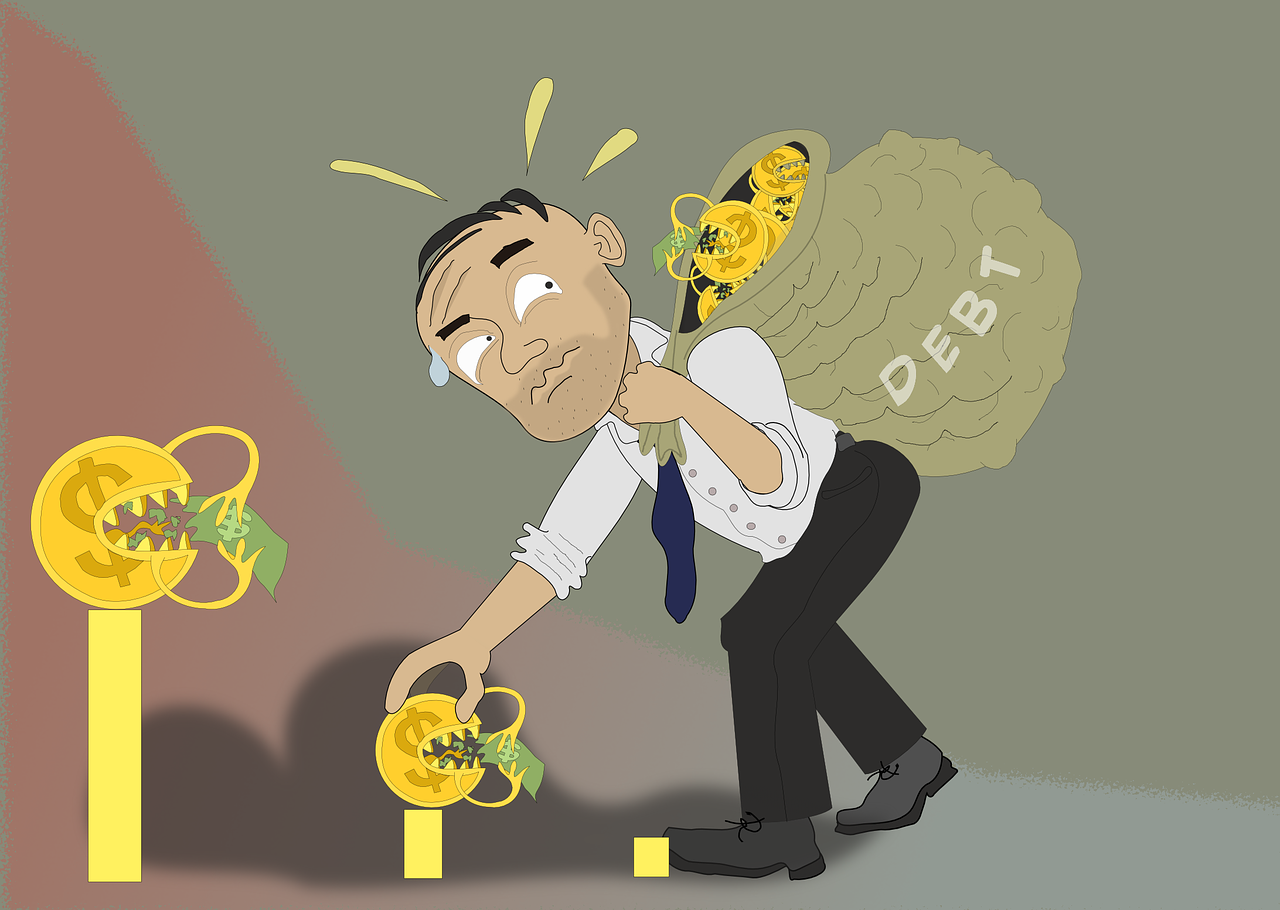

How to Balance Debt Restructuring and Business Growth Objectives
Debt restructuring can be a vital process for businesses seeking financial stability while aiming for growth. It involves renegotiating the terms of existing debts to alleviate cash flow pressures and provide a pathway to sustainability. Companies must conduct assessments to determine their current financial standing. This assessment can reveal which debts are impacting cash flow and profitability the most. After identifying these debts, a strategic plan can be established to renegotiate terms with creditors. This plan may involve extending payment timelines, reducing interest rates, or consolidating multiple debts into a single manageable payment. The restructuring process can involve various stakeholders, including lenders, investors, and employees. Effective communication is crucial throughout this phase, ensuring all parties understand the intent behind the restructuring and its potential benefits. Businesses should also weigh potential impacts on their credit ratings. While debt restructuring can lead to improved cash flow, it is essential that companies remain committed to their growth objectives, ensuring that the restructuring facilitates rather than hinders long-term business plans.
To ensure the effectiveness of a debt restructuring strategy, businesses should adopt a comprehensive approach that aligns with their overall growth objectives. A significant part of this process involves understanding the business’s core competencies and areas for improvement. By focusing on enhancing operations and addressing any inefficiencies, a company can better manage its financial obligations. Evaluating existing resources and identifying opportunities for increased revenue generation are essential aspects of this evaluation. Furthermore, businesses should consider diversifying their product or service offerings, which can help mitigate risks associated with high debt levels. Engaging with financial advisors can provide insights into industry best practices and innovative solutions for managing debt. Additionally, setting realistic financial targets will guide a company through its restructuring efforts. Regular monitoring of progress is crucial, allowing stakeholders to make necessary adjustments as needed. Developing a long-term financial strategy will support sustainable growth and ensure that the business is adequately prepared for economic fluctuations. Ultimately, successful debt restructuring hinges on a clear understanding of the relationship between financial stability and growth ambitions.
Strategies for Effective Debt Restructuring
Implementing effective debt restructuring strategies requires a deep understanding of both current market conditions and the company’s financial standing. Businesses must begin by analyzing their financial statements to get a clear picture of their liabilities and obligations. It may also be beneficial to consult with financial professionals who specialize in debt management. Leveraging technology can facilitate this analysis, providing insights through data analytics. Additionally, companies should prioritize open dialogues with creditors, which can aid in negotiating favorable terms. Building trust and demonstrating a commitment to repayment can result in more strategic concessions from creditors. Business owners should consider developing a dedicated team to handle restructuring efforts, focusing on all aspects including financial, operational, and legal implications. This team can also assess the potential impact on employee morale and company reputation. It’s crucial to build a restructuring plan that not only addresses immediate financial challenges but positions the company for sustainable growth. Every strategic decision made during this process should feed back into a long-term vision for the business, aligning financial management with broader organizational goals.
Another important aspect of debt restructuring is understanding the types of debt that a business holds. Companies often accumulate a mix of secured and unsecured debts, each with different implications for restructuring. Secured debts are typically backed by collateral, meaning that creditors have a claim on specific assets in case of default. On the other hand, unsecured debts, such as credit card debt, do not have this backing and often come with higher interest rates. Businesses must evaluate the costs associated with each type of debt and prioritize which debts to address first based on interest rates and repayment terms. Negotiating with creditors on unsecured debt may yield quicker wins, while dealing with secured debt might require offering significant concessions. Moreover, companies should explore options such as debt consolidation or refinancing, which can streamline payments and potentially lower interest rates. This approach not only simplifies financial management but can also enhance cash flow, enabling the business to allocate more resources toward growth initiatives. Understanding the nuances of these debts allows businesses to develop a more personalized restructuring strategy.
Maintaining Business Growth During Restructuring
While implementing debt restructuring strategies, businesses must also prioritize maintaining growth and operational continuity. One approach to striking this balance is by identifying non-essential costs that can be reduced without sacrificing quality. Companies should assess each department’s budget and focus on areas where efficiencies can be improved. Streamlining operations or renegotiating supplier contracts can free up cash flow, which may be essential during the restructuring period. Additionally, it’s beneficial to engage employees in the process, as they can contribute valuable insights into potential areas of improvement. Creating opportunities for employees to participate fosters a sense of ownership and may lead to innovative solutions that align with growth objectives. Another strategy is to focus on customer retention alongside efforts to optimize debt. Keeping existing customers satisfied and engaged can provide a stable revenue base during financial restructuring. Companies may also explore new market opportunities or develop marketing strategies that showcase the benefits of their offerings. By proactively managing customer relationships, businesses can ensure that they continue on a growth trajectory throughout the restructuring process.
Effective communication plays a central role in managing both debt restructuring and growth objectives. Keeping stakeholders informed about the restructuring plan fosters trust and clarity, enabling everyone involved to support the process. Transparency with employees is crucial, particularly during times of uncertainty, as it can reduce anxiety and promote commitment. Regular updates on progress and future plans help maintain morale and engagement in the workplace. Likewise, clear communication with customers can enhance loyalty, as it reassures them of the business’s stability and commitment to delivering quality service. Additionally, leveraging digital platforms for communication can enhance outreach strategies, ensuring that messages reach all stakeholders efficiently. Utilizing social media, newsletters, and corporate websites allows businesses to provide real-time updates and showcase their growth endeavors. Internally, establishing feedback loops can help gauge employee sentiments and adjust plans where necessary. The continual flow of information strengthens the company’s reputation and demonstrates accountability, which can be vital during restructuring. A well-informed workforce is more likely to react positively or adapt quickly to changes, ultimately contributing to successful outcomes.
Monitoring and Adjusting Strategies
Post-restructuring, businesses must remain vigilant in monitoring financial health and operational performance. Regularly reviewing financial metrics, such as cash flow and profit margins, helps organizations assess the effectiveness of their restructuring efforts. Key performance indicators (KPIs) should be established for various departments to keep track of the impacts of changes made during restructuring. These targeted measurements guarantee that any adjustments align with overall objectives and can provide early warning signs of potential financial distress. In addition, feedback mechanisms should be implemented to assess employee and customer satisfaction in response to the restructuring strategies. Aligning feedback with performance indicators creates a holistic approach to evaluating success. Companies should also prepare for unexpected challenges, particularly in volatile market conditions. Flexibility and adaptability in operations allow businesses to pivot when necessary, ensuring that growth targets remain within reach. This continuous evaluation fosters an environment of innovation, where businesses can refine their strategies to achieve the desired balance of debt management and growth. Ultimately, a proactive monitoring strategy is essential for sustainable success and long-term stability.
In conclusion, balancing debt restructuring with business growth objectives requires a multifaceted approach that involves strategy, communication, and continuous assessment. Businesses must prioritize understanding their financial landscape while committing to their long-term goals. By treating debt restructuring as an opportunity for optimization rather than a burden, companies can enhance their operational efficiency and performance. Fostering open communication channels with stakeholders aids in building trust, which is crucial during times of transition. Further, businesses must focus on the right restructuring strategies tailored to their specific circumstances, keeping growth at the forefront. Monitoring progress and adjusting plans as necessary is key to ensuring that all efforts align with company goals. Engaging employees in the process not only supports morale but can lead to innovative pathways for navigating challenges. The careful balancing act between addressing current debts and pursuing growth aspirations will dictate the organization’s resilience in navigating financial hurdles. In a rapidly changing economy, those who successfully integrate these strategies will emerge more robust and better positioned for future challenges and opportunities.