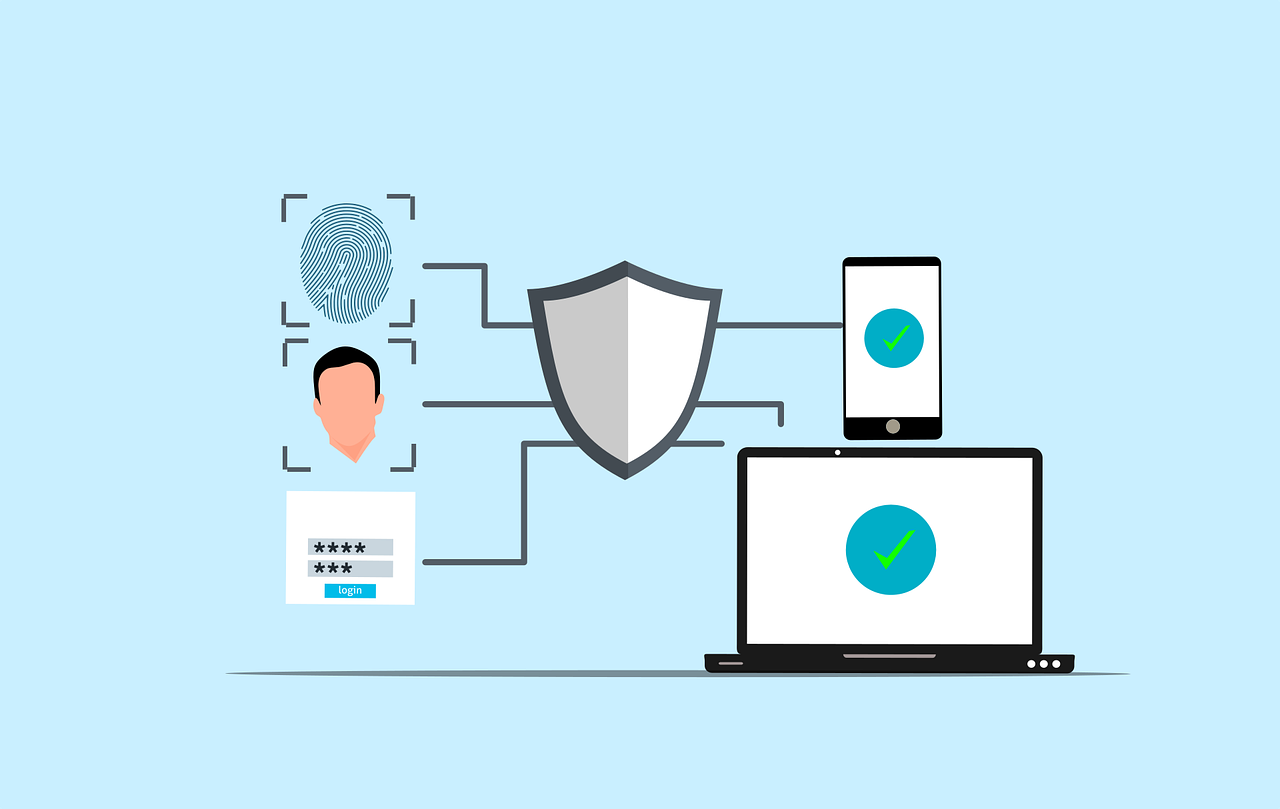

Securing Digital Wallets in the Age of IoT Devices
In today’s fast-paced world, digital wallets have become a staple for convenience and ease of transactions. As the rise of Internet of Things (IoT) devices accelerates, the security of these wallets has come into question. Security breaches and data leaks can result in significant financial losses. Users must understand the best practices to protect their digital assets effectively. This includes creating strong passwords, utilizing two-factor authentication, and regularly monitoring their accounts for suspicious activities. Furthermore, keeping their devices updated with the latest security patches is vital. Many IoT devices collect personal data, so utilizing encryption technologies is essential. This helps protect the information transmitted between the wallet and the device, thus minimizing the risk of unauthorized access. Digital wallet technology will continue to evolve, but users need to remain proactive about security. Education is key in this regard, which helps users make informed decisions about the wallets they choose. Adopting these practices can significantly contribute to a safer digital payment experience for everyone utilizing digital wallets in the IoT landscape.
Understanding IoT Vulnerabilities
The intersection of IoT devices and digital wallets introduces various vulnerabilities that users must be aware of. IoT devices may have inadequate security measures, making them prime targets for cybercriminals. These include smart appliances, wearables, and home automation systems that can inadvertently create entry points for hackers. Threats such as unauthorized access to personal data can lead to identity theft or financial fraud, impacting users significantly. Therefore, understanding these vulnerabilities forms the first step toward better security. Regular software updates can patch security loopholes in IoT devices, minimizing risks. Users must install the latest firmware updates and monitor their digital wallets frequently. Another significant risk is associated with public Wi-Fi networks; using public Wi-Fi to access digital wallets poses a considerable threat. It is advisable to avoid using these networks for sensitive transactions or, at the very least, to employ a Virtual Private Network (VPN). By maintaining a vigilant approach and observing these vulnerabilities, users can be more secure while using digital wallets, particularly in conjunction with IoT-enabled devices. Developing awareness can lead to improved practices in safeguarding personal financial information.
One critical aspect of securing digital wallets relates to the understanding of permissions granted to IoT devices. It’s essential to scrutinize and adjust the permissions your devices require. Many IoT devices request permissions that they may not need to function correctly. For instance, a smart refrigerator shouldn’t require access to your location or contact list. Limiting unnecessary permissions reduces the attack surface, making it harder for malicious entities to intercept sensitive information. Always read the privacy policy before connecting any device to a digital wallet. This knowledge can provide insight into data collection and sharing practices. Besides, ensuring that the device manufacturer adheres to industry standards for security and privacy is also crucial. Seeking devices certified by recognized standards can minimize risks associated with poor security measures. Moreover, using only trusted brands and established technologies is advisable to safeguard financial transactions. Users should regularly change their device passwords and utilize unique passwords for different platforms. Following these protocols not only safeguards the wallet but also builds a comprehensive security framework around IoT devices. The more secure the devices linked to digital wallets, the better protected the data will be overall.
Best Practices for Digital Wallet Security
Equipping yourself with best practices is fundamental for securing your digital wallet in the age of IoT. Begin with using complex, unique passwords for your digital wallet accounts; avoid common phrases or easily guessed sequences. Implement two-factor authentication, a crucial layer of security that requires not only a password but also a second form of identification. This additional hurdle can deter unauthorized access considerably. Furthermore, remain aware of phishing attempts; familiarize yourself with the common red flags that can indicate fraudulent communications. Regularly review bank statements, transaction histories, and alerts to ensure every action is legitimate. Additionally, make it a habit to log out of wallet apps when finished using them. Actively disconnecting prevents potential unauthorized access. Users also should be wary of apps related to their wallets that originate from untrustworthy sources, as these can be vehicles for malware. Ensure downloading apps only from secure, reputable marketplaces. Last but not least, educate family members on the importance of digital wallet security to create a culture of security. Engaging in these practices can minimize risks and enhance security for everyone involved.
As digital wallets continue to gain popularity, the impact of legislation such as the General Data Protection Regulation (GDPR) and the California Consumer Privacy Act (CCPA) cannot be overlooked. These regulations are designed to protect consumer data and privacy, creating a safer environment for digital transactions. Businesses that process personal data through digital wallets must stay compliant with these laws, ensuring they uphold stringent security measures. This adds an additional layer of accountability for wallet providers, compelling them to invest in robust security systems. Consumers also benefit from understanding their rights under these regulations; they have the right to access their data and request its deletion. Being informed empowers users to take action and demand better practices from wallet providers. Organizations are held accountable, urging them to demonstrate higher levels of security and compliance continuously. Moreover, user feedback can significantly influence policy developments as well. As the landscape of digital payments evolves, the cooperation between consumers and firms will play a vital role in securing wallets. Advocacy for privacy rights ensures the sustainable growth of digital wallet usage while prioritizing security.
The Role of AI in Wallet Security
Artificial Intelligence (AI) is playing a transformative role in enhancing digital wallet security, particularly in detecting and preventing fraudulent activities. AI-powered systems analyze user behavior to establish patterns that can identify suspicious activities. When an anomaly is detected, timely alerts are generated, prompting users about the possibility of fraud. Furthermore, machine learning algorithms continuously improve detection capabilities as they gather data over time. Implementing AI-driven analytics can also enhance user experience by streamlining transaction verifications while maintaining high-security standards. Users can enjoy a seamless transaction process without compromising security, which is what modern consumers seek. Additionally, AI tools can assess the security posture of the connected IoT devices linked to digital wallets, offering real-time evaluations and recommending necessary actions. By leveraging AI, wallet providers can make informed decisions on risk management. Integrating AI-driven solutions represents a significant advancement in proactively addressing potential threats and vulnerabilities. As technology continues to advance, wallet providers that harness AI effectively will likely strengthen their security frameworks and build consumer trust significantly.
Looking ahead, the future of digital wallet security in the context of IoT will depend on continuous innovation and user engagement. Companies must innovate their security measures to counteract evolving threats effectively. This involves investing in targeted research and development dedicated to next-generation security solutions. Collaboration among industry stakeholders can also catalyze advancements in security standards, protocols, and technologies. Furthermore, users play a crucial role; actively participating in their security journey by staying informed and practicing safe digital behaviors is vital. Continuous education regarding emerging threats can at least partially protect users in this ever-evolving landscape. Sharing insights among users can create a more informed community; consider this collaborative approach as digital payments continue to grow in prominence. Technology should empower users, making them both active participants and informed advocates for their security. As the relationship between technology and users matures, security will become a shared responsibility. Embracing this cooperative spirit among all stakeholders will better secure digital wallet ecosystems, ultimately cultivating a more secure environment for transactions in the age of IoT.
Conclusion
In conclusion, the growing adoption of digital wallets in conjunction with IoT devices necessitates an unwavering commitment to security. Users must embrace robust security practices, educate themselves on potential vulnerabilities, and maintain informed decision-making regarding their digital assets. Regulatory frameworks and technological advancements, especially AI, present opportunities to enhance wallet security but require users’ proactive participation. By following best practices, regularly reviewing transactions, and utilizing advanced security measures like two-factor authentication, individuals can significantly reduce their risks. It’s imperative for consumers to remain vigilant and responsible concerning their digital interactions. Organizations that provide digital wallet services also bear responsibility, as they must prioritize security and comply with evolving regulations. The collaboration between users, companies, and regulatory bodies can transform the security landscape, fostering trust in digital wallet technologies. Thus, as digital wallets continue their evolution in the IoT age, ensuring security will remain a joint endeavor. This ongoing effort will not only safeguard personal and financial information but also promote confidence in digital payment systems overall, enabling a more secure financial future for all users engaged in digital transactions.