
Data Privacy Regulations and Their Effect on Threat Intelligence in Finance
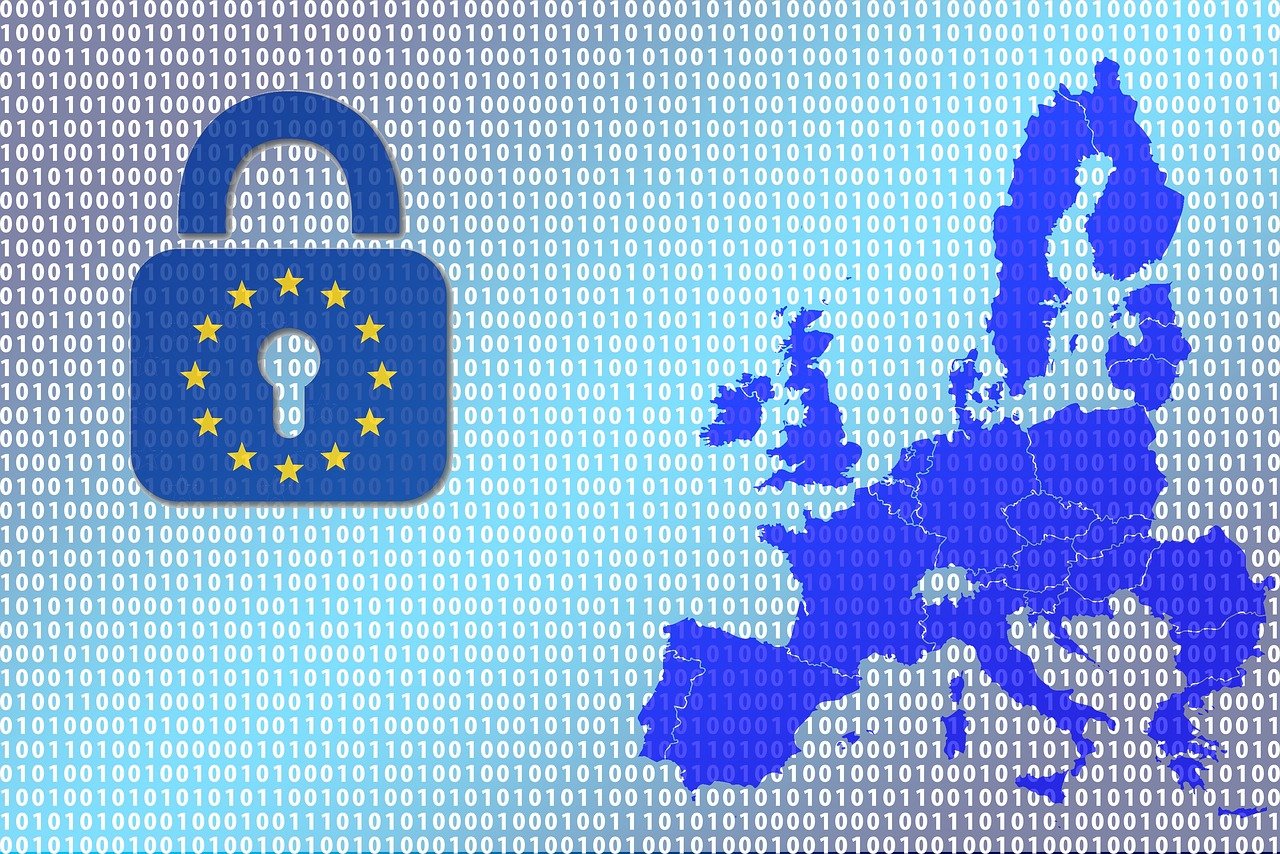
The evolving landscape of data privacy regulations has a substantial impact on the financial sector, particularly in the context of threat intelligence. In recent years, governments worldwide have introduced stringent regulations like GDPR in Europe and CCPA in California, creating a framework that financial institutions must comply with. These regulations focus on enhancing consumer protection, enforcing stricter data processing standards, and mandating transparency. For financial organizations, navigating these regulations means not only ensuring compliance but also leveraging them to strengthen their cybersecurity posture. Failure to comply can lead to heavy fines and reputational damage, thereby accentuating the need for enhanced threat intelligence capabilities. As a result, firms are compelled to invest in more robust data protection strategies, which in turn necessitate the development of comprehensive threat intelligence programs. Overall, the interplay between data privacy regulations and threat intelligence is becoming increasingly crucial for maintaining data integrity and consumer trust in financial institutions. With evolving threats, the sector must employ innovative tools and approaches to safeguard sensitive information while adhering to governmental mandates.
The Role of Threat Intelligence in Mitigating Risks
Threat intelligence plays an essential role in the financial sector’s ability to mitigate risks posed by cyber threats and data breaches. It provides organizations with actionable insights into potential vulnerabilities, threat actors, and industry-specific risks. In an environment where regulatory compliance is paramount, integrating threat intelligence with data privacy strategies can significantly improve an organization’s overall security measures. Understanding the threat landscape allows financial institutions to identify and address gaps in their defenses proactively. Furthermore, threat intelligence can enhance incident response capabilities, ensuring that organizations can react swiftly to security incidents while minimizing damage. This synergy is particularly crucial due to the high stakes involved in financial data handling, where breaches can lead to devastating consequences. Organizations that harness the power of threat intelligence not only benefit from enhanced data protection but also build consumer confidence by demonstrating a proactive approach toward safeguarding sensitive information. Moreover, advanced threat analysis can help institutions align their cybersecurity strategies more closely with regulatory requirements, ensuring compliance while improving their resilience against cyber threats.
The introduction of data privacy regulations has impacted the sharing of threat intelligence among financial organizations, highlighting the need for secure data-sharing practices. Regulatory frameworks impose stringent guidelines on how organizations can collect, use, and share personal data, which includes information vital for threat intelligence efforts. Compliance with these rules is essential but can sometimes hinder collaboration among institutions. Financial organizations must find a balance between sharing critical intelligence information and adhering to data privacy mandates. A collaborative approach can enhance the overall security postures of participating entities but requires clear protocols to ensure that shared data is anonymized and compliant. Thus, fostering an environment conducive to secure data sharing is vital for the growth of effective threat intelligence frameworks. Collaboration platforms and industry coalitions are beginning to emerge, specifically geared towards mitigating privacy concerns while still enabling the exchange of valuable insights. As organizations navigate the complexities of data privacy regulations, a collective approach will become increasingly relevant, allowing financial institutions to learn from each other’s experiences and strategies while staying compliant.
Best Practices for Compliance and Threat Intelligence Integration
To successfully integrate threat intelligence strategies with data privacy regulations, financial institutions must adopt several best practices that maximize effectiveness and compliance. First and foremost, understanding the specific regulations applicable to the jurisdiction in which they operate is crucial. Institutions should conduct routine audits to ensure their processes align with the latest legislative updates. Training staff on data privacy issues and the importance of adhering to regulations ensures a culture of compliance is established within the organization. Additionally, organizations should implement robust data governance frameworks that clearly outline data handling procedures and incident response strategies. Automating compliance monitoring can significantly reduce human error, making it easier to adhere to privacy mandates while enhancing their security posture. Third-party vendors should also be assessed for compliance to ensure that outsourced services do not inadvertently introduce vulnerabilities. By embedding these practices into everyday operations, financial institutions can enhance their threat intelligence capabilities while ensuring that they are firmly positioned within regulatory parameters. Ultimately, a proactive readiness to adapt to evolving regulations will serve as a competitive advantage in the financial sector.
The balance between data privacy and effective threat intelligence is delicate yet necessary for the future of the financial sector. Organizations should focus on developing a culture of security that prioritizes user privacy alongside proactive threat detection. One approach is leveraging privacy-preserving technologies, such as differential privacy or encryption methods, which allow for data analysis without exposing sensitive information. These technological advancements can be pivotal in striking a balance between compliance with regulations like GDPR while still gaining insights that enhance security efforts. Institutions can also engage in ongoing assessments to ensure that privacy measures do not inhibit essential threat intelligence activities. Collaborating with legal teams when developing threat intelligence practices is critical to ensure alignment with regulatory considerations. Therefore, establishing clear internal policies regarding data usage will help organizations in compliance while maximizing the potential of threat intelligence. By creating a robust framework for data protection and insights, financial institutions can effectively navigate the complexities of data privacy regulations while concurrently bolstering their defenses against evolving cyber threats.
Conclusion: The Future of Finance and Data Security
The future of data security in finance is closely tied to the evolving landscape of data privacy regulations and their integration into threat intelligence practices. As regulations become increasingly complex, the financial sector must adopt adaptable and forward-thinking strategies. The backdrop of a rapidly changing digital environment necessitates an ongoing evaluation of both regulatory compliance and security measures. Financial institutions should prioritize investing in technology that not only aids in compliance but also enhances threat detection capabilities. Building partnerships with industry experts who specialize in data privacy and security can provide valuable insights into best practices and emerging threats. Furthermore, cultivating a strong company culture that prioritizes data security will be essential in ensuring employees are informed and vigilant in their roles. The growth of regulated financial technology solutions focusing on security and compliance underscores the industry’s commitment to protecting consumer data. Thus, achieving a seamless integration of threat intelligence with compliance efforts will emerge as a critical differentiator, shaping the future landscape of finance and ensuring more secure transactions.
Ultimately, the intersection of data privacy regulations and threat intelligence in the financial sector is a dynamic and intricate landscape, requiring vigilance and adaptability. As institutions navigate this evolving terrain, staying informed of regulatory changes will be necessary for success. The proactive embrace of new technologies that support both regulatory compliance and robust threat intelligence will empower organizations to safeguard consumer trust effectively. Collaboration across the industry will also play a vital role in promoting best practices and fostering resilient security environments. The pursuit of excellence in threat intelligence capabilities will become essential in addressing unique challenges presented by the financial sector’s commitment to protecting customer information. By leveraging collective insights while remaining compliant with legal frameworks, financial organizations can create a secure architecture that not only protects data but also builds consumer confidence. The journey toward more effective data security solutions in finance is an ongoing effort that will undoubtedly adapt and evolve. Therefore, it is in the best interests of all stakeholders to continually engage in industry conversations regarding data privacy, security, and the role of threat intelligence.
References and Further Reading
For further exploration of the relationship between data privacy regulations and threat intelligence, numerous resources are available. One can refer to regulatory bodies’ official publications and guidelines, which provide in-depth insights into the mandates affecting financial institutions. Additional relevant materials can be found in academic journals focusing on cybersecurity and regulatory compliance. Engaging with industry-specific reports published by well-established organizations such as the Financial Industry Regulatory Authority (FINRA) or the SANS Institute can also provide valuable knowledge. Online courses or webinars focusing on data privacy laws and their implications for the financial sector can be beneficial, offering concrete examples and case studies that emphasize the importance of compliance. Furthermore, security conferences often have sessions dedicated to regulatory updates, making these events an ideal platform for learning and networking. Utilizing forums and discussion groups that focus on threat intelligence can help professionals stay connected with industry peers while keeping pace with evolving regulations. In conclusion, staying educated on the evolving landscape of data privacy is vital for financial institutions to effectively tackle the associated challenges.