
Understanding Stock and Commodity Exchanges
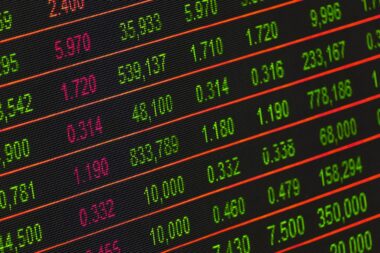
Stock exchanges and commodity exchanges cater to different investment opportunities and assets, shaping the global financial landscape significantly. A stock exchange primarily deals with the trading of shares of publicly traded companies, allowing investors to buy and sell equity ownership in these firms. The primary goal of such exchanges is to facilitate capital raising for companies while providing liquidity to investors. Examples include the New York Stock Exchange and NASDAQ. Conversely, commodity exchanges focus on the trading of physical goods, such as agricultural products, metals, and energy resources. Investors here deal with futures contracts that commit them to buy or sell in the future, ensuring price stability and protection against inflation for producers and consumers alike. Notably, commodity exchanges are vital for economic stability, providing price discovery mechanisms and hedging opportunities to manage fluctuations in supply and demand. Ultimately, both types of exchanges play crucial roles in their respective markets, but their operational mechanisms, regulatory environments, and types of investors differ widely.
Trading Mechanisms in Both Exchanges
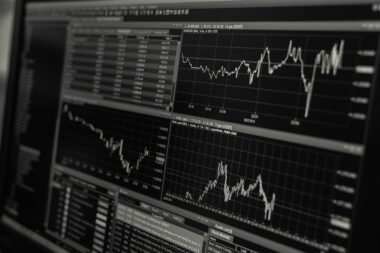
The trading processes in stock exchanges and commodity exchanges exhibit distinct characteristics and nuances that cater to their specific financial environments. In stock exchanges, trading typically occurs through a continuous auction system where buyers and sellers place bids and offers. This mechanism allows for real-time price adjustments based on demand and supply dynamics. Stocks are usually traded in fractions, enabling diverse portfolios and easing entry barriers for new investors. On the other hand, commodity exchanges operate differently; they utilize a trading mechanism where futures contracts are bought and sold. These contracts obligate parties to transact at a predetermined price on a future date, which helps in price regulation and risk management. Specifically, commodity exchanges have a standardized contract system that stipulates the quantity and quality of the commodity, providing clarity for traders. Additionally, commodity trading can involve various specifications like delivery location and dates, which are essential for ensuring successful transactions. This variation in trading mechanisms illustrates how each exchange serves its unique market requirements and caters to its participants.
Investor Participation and Profiles
Investors participating in stock exchanges usually comprise retail investors, institutional investors, and mutual funds, each looking to maximize returns on equity investments. Retail investors are often individual traders who seek to capitalize on buying low and selling high, using analyses and market sentiment to make informed decisions. Institutional investors, such as pension funds and hedge funds, possess significant capital and influence market movements greatly. They focus on strategic investments that can yield substantial long-term profits and often leverage advanced algorithms for trading. In contrast, commodity exchanges attract a different spectrum of participants, including producers, consumers, and speculators. Producers engage in hedging mechanisms to protect against price fluctuations while consumers ensure stable prices for their raw materials. Speculators enter commodity markets betting on future price movements and deriving possible gains through market volatility. Such diverse participation reflects the contrasting aims of investors in stock exchanges versus commodity exchanges. Understanding these profiles allows for more informed trading strategies according to the investor’s goals and risk tolerance.
Risk Management Techniques
Risk management is a fundamental aspect of trading in both stock and commodity exchanges, yet the techniques employed differ significantly based on asset characteristics. In stock exchanges, risk management primarily involves strategies like diversification and stop-loss orders to minimize potential losses. Diversification allows investors to spread their investments across different sectors, mitigating the impact of volatility in any single stock. Stop-loss orders are crucial; they automatically sell shares when they reach a pre-defined price, helping to contain losses in a downturn. On the flip side, risk management in commodity exchanges leans heavily on futures contracts, which enable traders to lock in prices for buying or selling commodities in the future. This protects against unpredictable price swings and is particularly advantageous for producers. Additionally, options are regularly utilized in commodity trading as a way to hedge against unfavorable price movements. Both exchanges also incorporate regulatory frameworks to ensure fair practices, further assisting traders in maintaining effective risk management while navigating their respective markets successfully.
Market Regulation and Oversight
Market regulation and oversight are vital components ensuring the integrity and transparency of both stock and commodity exchanges, varying in scope and enforcement mechanisms. Stock exchanges are heavily regulated by governmental bodies such as the Securities and Exchange Commission (SEC) in the United States, which oversees the securities industry to protect investors from fraud and ensure fair trading practices. Regulatory measures in stock exchanges focus on disclosure requirements, ensuring companies provide vital financial information that informs investor decisions. In contrast, commodity exchanges are overseen by agencies like the Commodity Futures Trading Commission (CFTC), which emphasizes the integrity of futures and options markets. Regulatory frameworks for commodity exchanges prioritize preventing market manipulation and ensuring fair pricing systems, which are essential for maintaining investor confidence. Market surveillance is common in both exchanges, employing technology and data analytics tools to identify suspicious activities or trends that may signify market manipulation. These regulatory practices are fundamental for fostering stable markets, protecting investors, and maintaining public confidence in the financial system.
Market Hours and Trading Days
The operational hours and trading days of stock and commodity exchanges differ considerably, affecting trading strategies and investor behaviors. Stock exchanges usually operate during set hours on weekdays, commonly from 9:30 AM to 4 PM ET for major exchanges like the New York Stock Exchange. Investors must be attentive during these hours to engage in trades actively. Moreover, stock exchanges typically observe public holidays, which can disrupt trading schedules and impact liquidity. On the other hand, commodity exchanges often operate with more flexibility. They may have longer trading hours, including after-hours trading, allowing investors to react to news and market changes more effectively. Some commodity markets may even operate round-the-clock, accommodating global players. This difference in market hours can impact trading strategies, as investors in commodity exchanges can execute trades at different times, which may leverage shifts in global market events, agricultural reports, or geopolitical developments. Therefore, understanding these differences can significantly enhance an investor’s approach and overall experience in various exchanges.
Conclusion: The Future of Exchanges
The future trajectory of stock and commodity exchanges is poised for transformative changes as technology, investor preferences, and global markets evolve. The rise of fintech platforms and online trading has democratized access to both markets, enabling more individual investors to participate. Moreover, advancements in technologies such as blockchain are revolutionizing trading by enhancing transparency and security, which could reduce fraud and streamline operations in exchanges. Meanwhile, the increasing popularity of Environmental, Social, and Governance (ESG) investing poses new challenges and opportunities for both stock and commodity exchanges, requiring them to adapt to changing investor demands. Furthermore, the impact of artificial intelligence and algorithms on market dynamics cannot be underestimated, as they offer enhanced trading capabilities that redefine traditional strategies. With a growing emphasis on sustainability and ethical investments, both exchanges must remain agile and responsive to meet the shifting paradigms of modern investors. Ultimately, understanding the distinctive features and differences between stock and commodity exchanges will empower investors to navigate the complex financial landscape confidently.
Key Takeaways
The exploration of differences between stock exchanges and commodity exchanges reveals distinct characteristics, trading mechanisms, investor profiles, and future trends. Investors play diverse roles, focusing on equity versus physical commodities, while regulatory bodies ensure market integrity. Mastering the nuances between these exchanges enhances investor skills and strategic decision-making. Identifying unique advantages and risks is crucial as markets evolve, ultimately shaping financial landscapes driven by innovation.