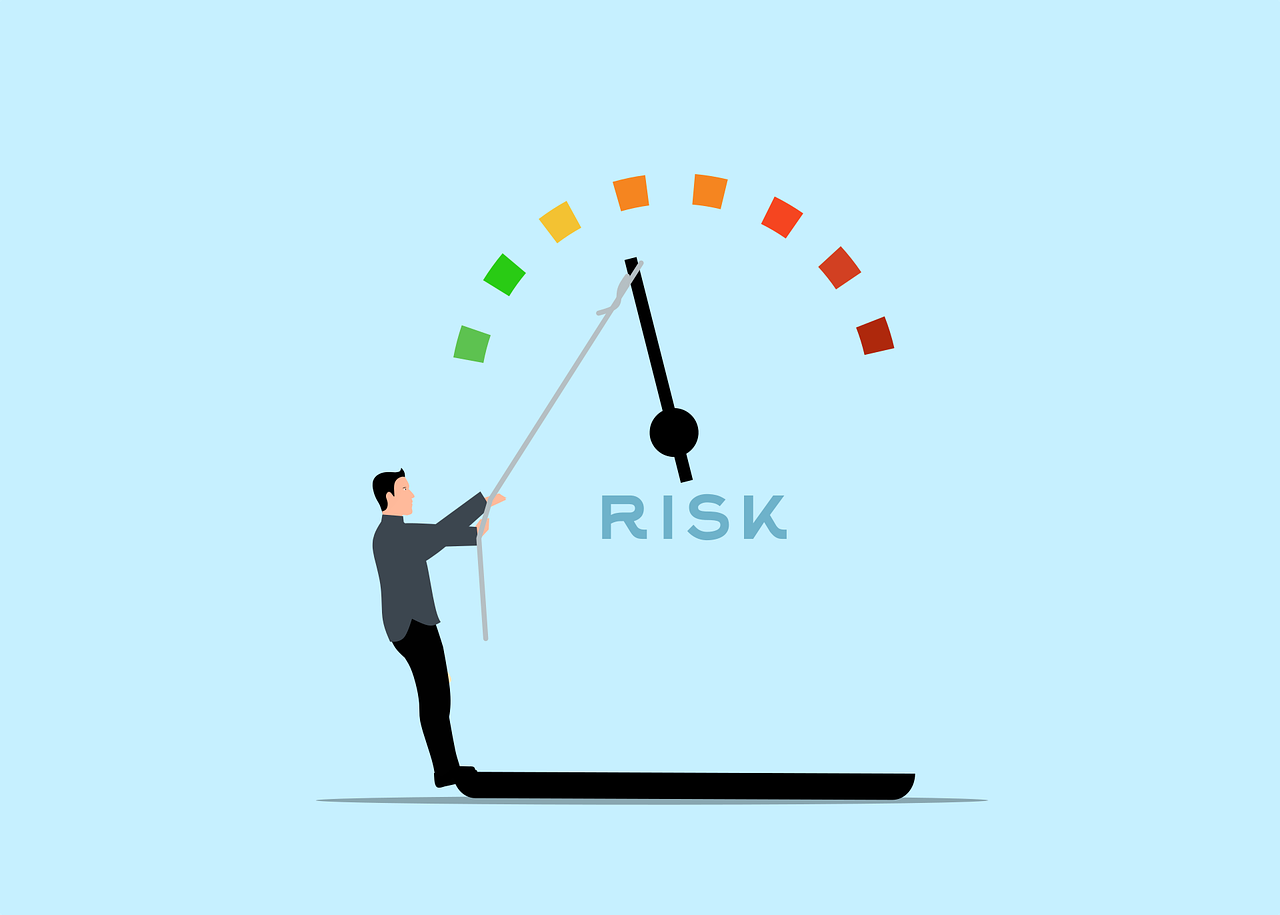

Risk Management in Customs Procedures to Expedite Trade
In the realm of international trade, efficient customs procedures are crucial. Trade facilitation measures aim to streamline these processes, reduce delays, and enhance compliance. Effective risk management within customs allows for expedited clearance while ensuring adherence to regulations. By analyzing data and implementing risk assessment tools, customs authorities can prioritize inspections based on risk levels, thereby focusing resources on high-risk shipments. Furthermore, engaging with traders enhances transparency and trust, enabling smoother transactions. Implementing advanced technology solutions, such as automated risk assessment systems, helps minimize human error. Collaboration between various stakeholders, including customs, trade partners, and logistics providers, plays a vital role in managing risks effectively. Moreover, training customs officials in modern risk management techniques improves their decision-making capabilities. As customs procedures evolve, leveraging customs technology like tracking systems ensures efficiency. Recognizing the significance of proper documentation in risk assessment is essential. Ultimately, a well-rounded risk management strategy in customs not only expedites trade but also fortifies national security and compliance.
To implement effective risk management, customs authorities must develop appropriate frameworks. This includes formulating standards for identifying and assessing risks associated with trade transactions. By utilizing a risk-based approach, customs can categorize shipments to determine the level of inspection required. This categorization fosters a more targeted resource allocation, ensuring that high-risk shipments receive extra scrutiny while allowing low-risk items to pass through with minimal delays. Additionally, data collection and analysis serve as the backbone of risk management strategies. Employing analytics tools provides insights into trends and patterns, enabling customs officials to adapt their strategies based on current data. Furthermore, risk thresholds can be established, determining which shipments trigger inspections. Continuous monitoring is essential as trade environments evolve; customs must remain proactive. Engaging in international partnerships can enhance shared knowledge and best practices, further strengthening risk management frameworks. Training and capacity-building initiatives for customs personnel are also paramount, equipping them with necessary skills. By fostering a culture of compliance and awareness among traders, an overall reduction in risks can be achieved.
The Role of Technology in Risk Management
Technology plays an integral role in enhancing risk management within customs procedures. Incorporating advanced data analytics provides customs authorities with real-time insights into global trade patterns and potential risks. Automated systems for tracking shipments and analyzing documentation help in identifying anomalies quickly. This streamlining of processes minimizes human error and improves overall efficiency. Furthermore, customs software solutions can be integrated to facilitate communication between various stakeholders involved in international trade. Such systems enable real-time updates on shipment statuses and potential issues. Blockchain technology can enhance transparency, allowing for secure sharing of trade information and ensuring all parties have access to verified data. By utilizing machine learning algorithms, customs agencies can improve their predictive capabilities, anticipating risks even before they occur. Moreover, the effectiveness of risk management improves with the implementation of mobile applications, which allow customs officials to access critical data while on the move. Ultimately, adopting these technological advancements ensures that customs remain agile and responsive in managing risks associated with global trade.
Collaboration between customs authorities and other agencies is crucial to facilitate risk management. A coordinated response to trade security challenges strengthens both compliance and enforcement activities. Through collaboration, information can be shared in a timely manner, enhancing the ability to identify and mitigate risks. Harmonizing regulations and procedures between countries simplifies the trade environment, further streamlining customs processes. Additionally, engaging with industry stakeholders fosters a cooperative atmosphere where feedback can lead to operational improvements. Public-private partnerships can produce innovative solutions and enhance trust among stakeholders in the supply chain. Regular stakeholder consultations allow customs authorities to stay updated on emerging risks, aligning strategies accordingly. Awareness campaigns and workshops for traders facilitate understanding of compliance requirements and risk management measures. Furthermore, these collaborative efforts can lead to the establishment of joint risk assessment initiatives, where authorities from different countries work together on identifying and addressing common risks. Over time, fostering such partnerships not only benefits individual agencies but ultimately enhances the overall security of international trade.
Challenges in Risk Management
Despite the importance of risk management, several challenges hinder its effectiveness. One prominent challenge is data privacy concerns, which can limit the sharing of information among stakeholders. Striking a balance between security and transparency is essential to optimize collaboration. Moreover, varying regulations and customs processes across countries can complicate risk assessments, especially for multinational shipments. Limited resources within customs agencies may also hinder the implementation of comprehensive risk management frameworks. Often, agencies face budget constraints that affect their ability to adopt advanced technologies or conduct necessary training programs. Additionally, resistance to change within organizations can impede the adoption of new practices. Overcoming this requires a strong leadership commitment to embracing innovation. Furthermore, the dynamic nature of international trade and emerging threats, such as cybercrime, increase the complexity of managing risks effectively. Customs agencies must remain flexible, adapting their strategies as new challenges arise. Finally, misinformation in the supply chain can lead to unintended consequences, thus emphasizing the need for accurate, real-time data access in decision-making.
Future developments in technology will redefine risk management in customs procedures. The rise of artificial intelligence (AI) and machine learning provides unprecedented opportunities for enhancing risk assessment. AI can proactively analyze vast amounts of data to identify potential threats, ensuring timely responses from customs authorities. Additionally, predictive analytics derived from AI could forecast trends, improving preparedness for emerging risks. Cybersecurity remains an ongoing priority, necessitating safeguards as technology progresses. Ensuring that risk management platforms are resilient against cyber threats is vital. Furthermore, investments in training customs staff on these technological advancements will foster a skilled workforce capable of adapting to changes. Integrating various technological tools will create a more comprehensive risk management ecosystem, maximizing efficiency. Collaboration with tech companies can provide insights into best practices and innovative solutions that enhance customs operations worldwide. Engaging in international dialogues will also facilitate knowledge exchange and alignment on global standards. Overall, embracing future technological advancements will be crucial for customs authorities to navigate the dynamic landscape of international trade and managing associated risks effectively.
Conclusion
In conclusion, the significance of risk management in customs procedures cannot be overstated. By effectively managing risks, customs authorities expedite trade while maintaining adherence to regulatory compliance. The integration of technology, data analytics, and collaboration with stakeholders enhances overall efficiency in customs operations. Implementing a robust risk management framework leads to streamlined processes and improved decision-making capabilities. Moreover, as trade continues to evolve, customs agencies must remain agile, embracing new tools and strategies to address emerging challenges. Addressing obstacles such as data privacy concerns and resource limitations is vital for successful implementation. Continuous training and awareness initiatives can foster a culture of compliance among stakeholders in the supply chain. Looking forward, the adoption of innovative technologies will play a key role in ensuring that customs procedures are responsive and efficient. International cooperation will enhance knowledge sharing and risk management capabilities globally. Ultimately, when customs agencies prioritize risk management, they secure not only trade facilitation but also the safety and security of the international trading system.
In the realm of international trade, efficient customs procedures are crucial. Trade facilitation measures aim to streamline these processes, reduce delays, and enhance compliance. Effective risk management within customs allows for expedited clearance while ensuring adherence to regulations. By analyzing data and implementing risk assessment tools, customs authorities can prioritize inspections based on risk levels, thereby focusing resources on high-risk shipments. Furthermore, engaging with traders enhances transparency and trust, enabling smoother transactions. Implementing advanced technology solutions, such as automated risk assessment systems, helps minimize human error. Collaboration between various stakeholders, including customs, trade partners, and logistics providers, plays a vital role in managing risks effectively. Moreover, training customs officials in modern risk management techniques improves their decision-making capabilities. As customs procedures evolve, leveraging customs technology like tracking systems ensures efficiency. Recognizing the significance of proper documentation in risk assessment is essential. Ultimately, a well-rounded risk management strategy in customs not only expedites trade but also fortifies national security and compliance.