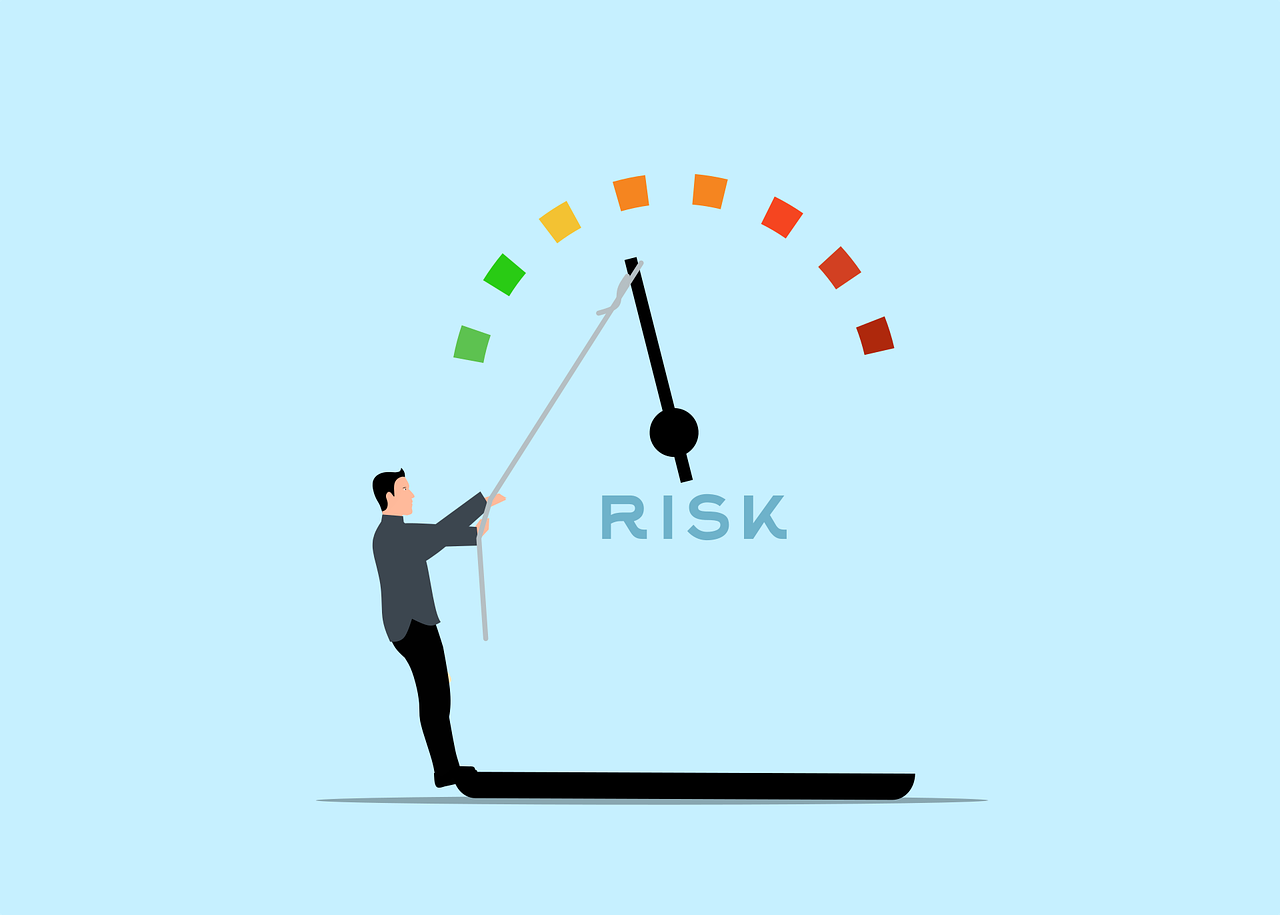

Key Techniques in International Financial Risk Assessment
International financial risk assessment plays a crucial role in helping businesses navigate the complexities of global finance. Companies face various risks, including currency fluctuations, interest rate changes, and credit risks. Each of these factors can yield significant impacts on profitability and performance. To effectively manage these risks, organizations implement a range of assessment techniques. Quantitative analysis is a fundamental approach, involving statistical models to predict potential losses associated with financial risks. Additionally, scenario analysis allows businesses to forecast outcomes based on different financial situations. Sensitivity analysis plays a pivotal role in evaluating how changes in market variables can affect an organization’s financial standing. Companies can ensure they are better prepared to respond to market volatilities by employing these analytical tools. An important part of this process is conducting thorough research and continuous monitoring of the international financial landscape. Technological advancements, such as the use of artificial intelligence and machine learning, further enhance risk assessment accuracy, providing companies with more tools to mitigate risk exposure. In this environment, having a responsive and proactive risk assessment strategy is not just an advantage; it is a necessity for survival.
Quantitative Risk Analysis Techniques
Quantitative risk analysis is indispensable within international finance, serving as a primary method for estimating potential losses. Tools such as Value at Risk (VaR) offer insights into the level of financial risk a company can expect under normal conditions. VaR calculates the maximum loss over a specified time frame, providing a comprehensive measure for organizations to gauge their risk exposure. Another key technique in quantitative analysis is the Expected Shortfall (ES), which focuses on the average loss during extreme market conditions. Additionally, portfolio theory, particularly Markowitz theory, allows for the optimization of assets to maximize returns while managing risk. Companies can further refine their risk management strategies by employing stress testing. This technique examines how extreme market conditions influence financial health, ensuring businesses can prepare for worst-case scenarios. Simulations, such as Monte Carlo methods, can provide additional insights into risk by modeling different financial outcomes based on historical data. By comparing these models, businesses can identify vulnerabilities in their financial structures and devise strategic plans to bolster resilience against unforeseen challenges.
Qualitative risk analysis, while often overlooked, is an important complement to quantitative methods in international financial risk assessment. Rather than relying solely on numerical data, qualitative analysis evaluates subjective factors influencing risk. Techniques such as expert judgment draw on the insights of experienced professionals, helping organizations identify hidden risks that may not be evident through quantitative measures alone. Focus groups and interviews enable broader perspectives and facilitate deeper understanding of potential vulnerabilities. A key aspect of qualitative analysis is the assessment of geopolitical risks. Political instability, regulatory changes, and trade tensions can all dramatically affect market conditions. Businesses must develop a comprehensive understanding of these factors to anticipate possible disruptions. Furthermore, various frameworks, including the SWOT analysis (Strengths, Weaknesses, Opportunities, Threats), play a significant role in building a robust risk assessment strategy. By examining both internal and external factors, organizations can develop tactics to leverage strengths while minimizing weaknesses. Following this integrative approach ensures companies remain agile and can address their risk exposure in an increasingly interconnected world.
Scenario Planning in Risk Assessment
Scenario planning is an essential technique utilized in international financial risk management, enabling organizations to visualize potential outcomes based on various external conditions. This technique aids companies in understanding how different macroeconomic factors can impact their operations. By evaluating several plausible future scenarios, such as economic downturns and global crises, firms can prepare actionable plans to mitigate impacts. Delving deep into each scenario allows for critical insight into how market conditions may shift, prompting timely responses to maintain financial stability. To support the scenario planning process, businesses often employ analytical models that reflect historical trends and emerging market conditions. This analysis enhances accuracy, ensuring that organizations stay abreast of sudden changes in international finance. Additionally, integrating scenario planning with quantitative analysis further strengthens risk management frameworks. By combining qualitative insights with robust data from quantitative methods, organizations can craft comprehensive strategies that address a broader range of potential risks. This proactive approach significantly mitigates vulnerability, ultimately ensuring long-term sustainability and growth within global markets.
Stress testing is one of the most valuable risk management techniques in the realm of international finance, enabling organizations to evaluate their financial resilience under extreme conditions. By simulating adverse economic scenarios, such as a sudden economic downturn or geopolitical crisis, companies can scrutinize their capital and liquidity situations. This practice ensures that businesses are prepared for unexpected financial shocks, allowing for quick responses that reduce potential losses. Moreover, stress testing identifies vulnerabilities in financial models, assisting organizations in making informed decisions about risk exposure. Regulators and stakeholders often require stress testing as part of compliance frameworks, making it an integral part of the broader financial strategy. Businesses must continuously update their stress testing methods to incorporate changing market dynamics and emerging risks. Furthermore, implementing a culture of risk awareness across the organization fosters proactive management of financial risks. Training programs that address risk identification and mitigation tactics empower employees at all levels to contribute to an organization’s overarching financial strategy. Ultimately, effective stress testing can enhance competitiveness, ensuring long-term sustainability in a volatile global market.
The Role of Technology in Risk Assessment
Technology has dramatically transformed the landscape of international financial risk assessment, providing innovative tools that increase efficiency and accuracy. Advanced analytical software equips organizations with robust capabilities for processing complex financial data. This technology allows for detailed analysis of risk factors, informing real-time decision-making. Machine learning and artificial intelligence have emerged as cutting-edge technologies that enhance traditional risk models. By analyzing large datasets, these tools can uncover patterns and trends that might otherwise go unnoticed, enabling predictive analytics that strengthen risk assessment frameworks. Blockchain technology also plays a pivotal role in enhancing transparency within financial transactions, helping to mitigate fraud and establish trust. Additionally, cloud computing offers scalability and flexibility for risk management systems, allowing organizations to adapt quickly to changing market conditions. By leveraging these technologies, businesses can enhance their risk profiles and maintain a competitive edge in international markets. Moreover, continuous technological advancement encourages companies to revisit and refine their risk assessment strategies regularly. Staying ahead of technological trends ensures that organizations can effectively combat emerging risks and seize opportunities for growth.
Integrating risk management into the corporate culture is essential for effective financial risk assessment. This involves fostering an organizational mindset that prioritizes risk awareness at every employee level. Companies must create comprehensive training programs that educate staff on identifying, assessing, and mitigating risks. Leaders play a key role in embedding risk management into business operations by demonstrating commitment and accountability. By incorporating risk management frameworks into departmental strategies, organizations ensure that risk considerations are included in decision-making processes. Moreover, establishing cross-functional risk committees can enhance collaboration and information-sharing, facilitating better understanding across departments. Regular communication regarding risk indicators and assessment outcomes drives awareness throughout the organization, empowering employees to act in alignment with risk management goals. Furthermore, adopting a centralized risk management platform enhances data consistency, ensuring a unified approach to monitoring and assessment. Continuous evaluation of risk strategies is vital for adapting to market changes and maintaining competitive advantage. Ultimately, cultivating a risk-aware culture proves crucial for an organization’s long-term success and sustainability in the volatile environment of international finance.
In summary, the field of international financial risk assessment encompasses a variety of techniques essential to navigating the complexities of global finance. Organizations must develop comprehensive strategies that integrate both quantitative and qualitative analyses, enabling them to address a broad spectrum of potential risks. Techniques such as scenario planning, stress testing, and technological adoption are key components driving effective risk management. By employing these techniques, businesses can better prepare for unexpected shocks and mitigate potential losses in an unpredictable market landscape. Moreover, fostering a risk-aware culture within the organization not only enhances resilience but also contributes to overall profitability. As international markets continue to evolve, it is crucial for companies to stay abreast of financial trends and emerging risks. This proactive approach can significantly improve their capacity to respond to changing conditions effectively. Building a strong foundation for international financial risk assessment is paramount for achieving sustainable growth and maintaining a competitive advantage in the market. Ultimately, organizations that invest in robust risk management strategies are more likely to thrive despite the inherent uncertainties of global finance.