
The Role of Emotional Intelligence in Women’s Leadership Success
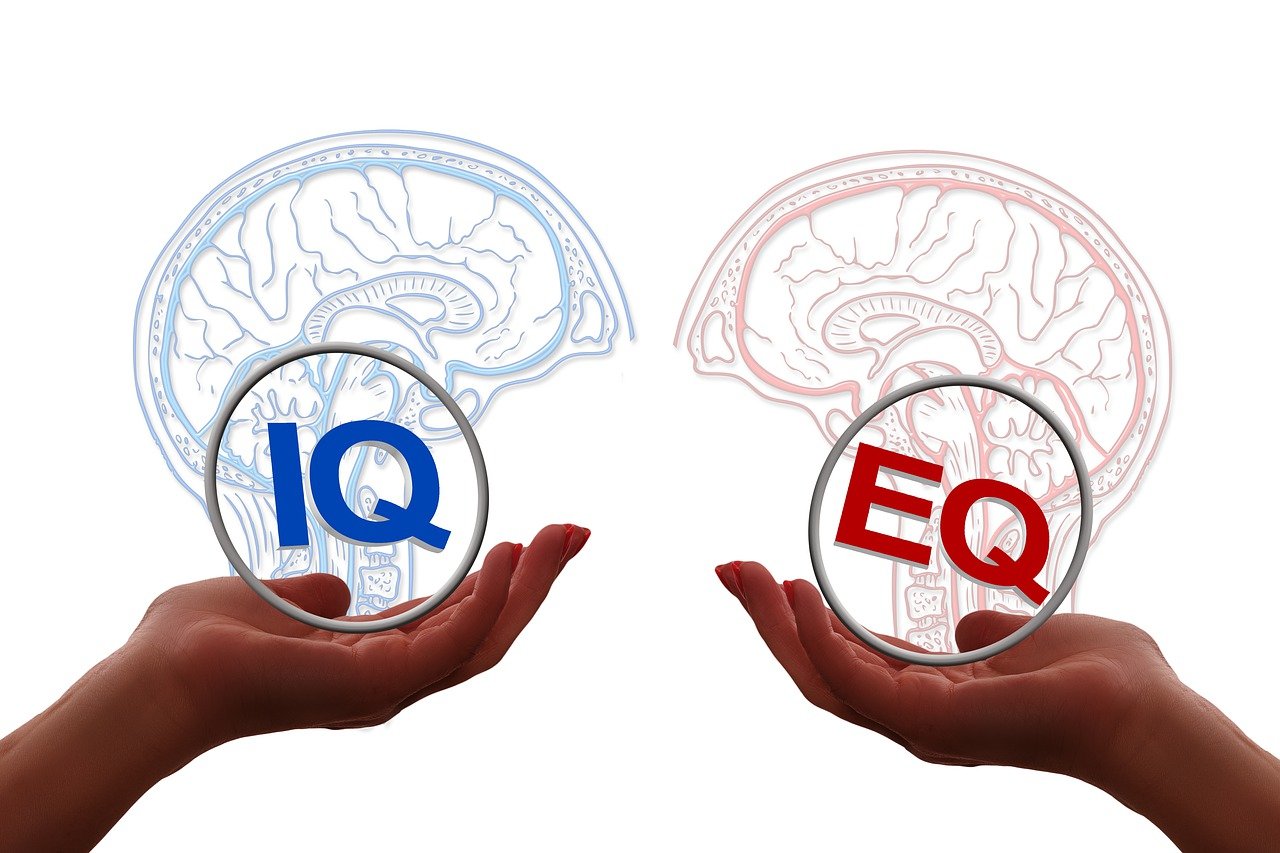
In today’s rapidly evolving business landscape, emotional intelligence (EI) has emerged as a pivotal competency for effective leadership. Women in leadership roles often utilize their emotional intelligence to foster collaborative team environments. This capacity enables them to connect on a deeper level with their team members, which can lead to improved morale and productivity. Emotionally intelligent leaders possess the ability to understand and manage their emotions while also empathizing with others. This skill is particularly beneficial in navigating challenging situations, such as conflict resolution or crisis management. By embracing emotional intelligence, women leaders can create inclusive workspaces where diverse perspectives are valued. They tend to lead by example, demonstrating vulnerability and openness, which encourages authenticity among their colleagues. The integration of EI into leadership practices not only enhances decision-making processes but also aids in cultivating loyalty and trust. As the workforce continually evolves, women who harness emotional intelligence are better equipped to guide their teams through organizational changes. This article will explore how emotional intelligence functions as a foundation for the success of women in leadership positions, influencing both their personal and professional growth.
One of the core components of emotional intelligence is self-awareness, which allows leaders to understand their strengths and weaknesses. Women in leadership roles who are self-aware can assess their own emotions and reactions, leading to more thoughtful and deliberate actions. This self-reflection often translates into effective communication, as these leaders can articulate their thoughts clearly and listen empathetically. By understanding their emotional triggers, women can better navigate high-stress situations while maintaining professionalism. Additionally, self-aware leaders are more adaptable to feedback, seeing it as an opportunity for growth rather than criticism. This receptiveness fosters a culture of continuous improvement within their teams. Furthermore, self-awareness helps women leaders to set realistic expectations, resulting in a more balanced approach to achieving organizational goals. In turn, this leads to higher levels of employee satisfaction and retention. By modeling self-awareness, women can inspire their teams to also engage in introspective practices, thereby enhancing the overall emotional intelligence within the organization. Ultimately, self-awareness paves the way for more effective leadership and stronger team dynamics, enabling women leaders to thrive in competitive industries.
Social Awareness and Empathy
Social awareness and empathy are essential facets of emotional intelligence that significantly impact women’s leadership success. Women leaders often excel in understanding the emotional climate of their teams, allowing them to respond effectively to the needs and concerns of their employees. This heightened awareness permits women to forge strong relationships rooted in trust and mutual respect. Empathy enables women in leadership to appreciate diverse perspectives and experiences, resulting in more inclusive decision-making processes. When leaders demonstrate genuine concern for their teams, it cultivates a positive organizational culture where individuals feel valued and heard. This sense of belonging is crucial for employee engagement and satisfaction. Moreover, empathy can reduce workplace conflicts, as leaders who understand different viewpoints are better equipped to mediate disagreements constructively. By fostering a compassionate work environment, women leaders encourage collaboration and innovation, driving organizational success. Additionally, as they inspire others to adopt empathetic behaviors, they contribute to a significant cultural shift within the company. Women leaders who prioritize empathy are not only improving team dynamics but also enhancing overall productivity and morale, leading to greater achievement in their leadership roles.
Conflict management is another area where emotional intelligence greatly benefits women leaders. Women with high emotional intelligence are typically skilled negotiators who can navigate disagreements with grace and poise. They possess the ability to remain calm under pressure, assess the emotions of others involved, and respond appropriately. This skill set empowers women to approach conflicts as opportunities for growth and understanding rather than simply obstacles. By focusing on collaboration and compromise, emotionally intelligent leaders enhance their credibility and respect among peers and team members. Furthermore, women leaders who excel in conflict resolution are able to maintain harmony within their teams, ensuring that productivity does not suffer due to interpersonal disputes. Effective conflict management also bolsters team cohesion, fostering an environment in which individuals feel safe expressing their viewpoints. As a result, enhancing emotional intelligence not only strengthens individual leadership capabilities but also contributes to building resilient teams. Ultimately, women leaders who embrace conflict as a natural part of team dynamics can create powerful, cohesive units that achieve their common goals with exceptional teamwork.
Building Strong Relationships
Building strong relationships is a hallmark of effective leadership, particularly for women who rely on emotional intelligence. The ability to foster deep connections with team members allows women leaders to create a supportive atmosphere that enhances collaboration and creativity. These leaders understand that positive workplace relationships are foundational to achieving shared objectives. By investing time in knowing their team members personally, women can identify their unique talents and motivations, tailoring their leadership style to fit diverse needs. This approach not only boosts individual performance but also strengthens the overall team dynamic. Additionally, strong relationships enhance communication, as trust reduces barriers that can impede open dialogue. Women leaders who prioritize relationship-building are more likely to encourage a culture of feedback, enabling continuous learning and improvement. The social networks developed through these relationships can also serve as invaluable resources for problem-solving and innovation. Consequently, emotionally intelligent women leaders significantly contribute to a positive organizational culture. Their ability to create strong ties within their teams ultimately leads to higher levels of employee engagement and commitment, essential for long-term success in any business enterprise.
Another significant advantage of emotional intelligence for women in leadership is the capacity to inspire and motivate teams. Leaders who embody emotional intelligence are often seen as relatable figures, drawing followers in through their authenticity and empathy. When women leaders express genuine passion for their work and articulate a clear vision, they inspire those around them. This motivational factor is vital in fostering a high-performing culture where individuals are driven to excel. By recognizing and celebrating team achievements, emotionally intelligent leaders reinforce their team’s contributions, which boosts morale. Such recognition encourages a cycle of positivity that can permeate the organization. Furthermore, women leaders adept in emotional intelligence often possess persuasive communication skills, essential for rallying support and collaboration on important initiatives. Their approachability allows team members to feel safe in sharing ideas and concerns, fostering an open and innovative workplace. This environment of trust and encouragement leads to increased productivity and creativity, which are crucial ingredients for organizational growth and success. Women in leadership who harness their emotional intelligence not only cultivate strong teams but also contribute to building successful and resilient businesses.
Conclusion
As we’ve explored throughout this article, emotional intelligence plays a crucial role in the success of women in leadership. By leveraging self-awareness, social awareness, and conflict management skills, women leaders can navigate the complexities of their roles with finesse. Furthermore, their ability to build strong relationships and inspire teams cultivates a positive and productive organizational culture. Women who harness the tenets of emotional intelligence are not just effective in their roles; they also pave the way for future generations of female leaders. As organizations acknowledge the significance of emotional intelligence, they will likely foster environments that embrace these skills. Investing in emotional intelligence training and development for aspiring leaders can enhance overall team dynamics and facilitate sustainable growth. Women in leadership positions are well-positioned to impact the business world significantly, challenging stereotypes and showcasing the value of diverse leadership styles. Ultimately, as more women rise to leadership roles equipped with emotional intelligence, the business landscape will benefit from inclusive practices and innovative thinking. The intersection of women’s leadership and emotional intelligence represents a transformative pathway towards progressive organizational success.
This is another paragraph with exactly 190 words…