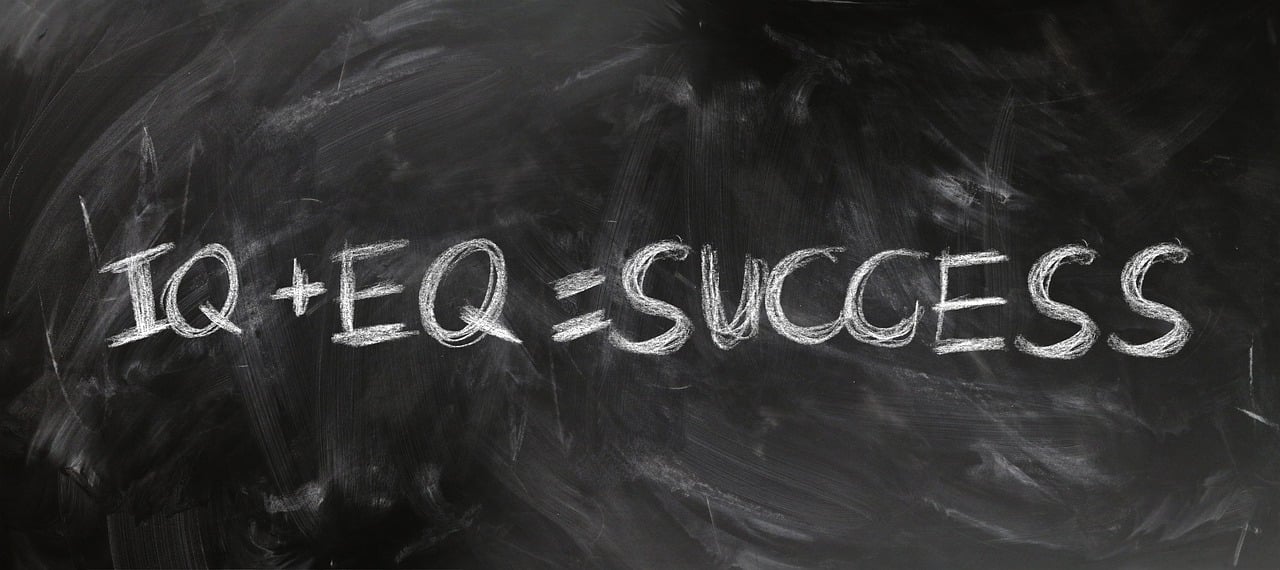

The Role of Emotional Intelligence in Trade Show Interactions
Emotional Intelligence (EI) plays a crucial role in the success of trade show interactions. Exhibiting companies invest significant resources to showcase their products or services at these events, and the effectiveness of their representatives is often linked to their ability to connect with potential clients emotionally. Interactions at a trade show are unique; they are brief and can be intense, necessitating that sales representatives be adept at reading the emotional cues of attendees. Understanding a visitor’s emotional state, preferences, and responsiveness can greatly enhance the chances of establishing a meaningful connection. When salespeople utilize their emotional intelligence, they can adapt their communication styles accordingly. This approach increases the likelihood of transforming leads into loyal customers. Furthermore, EI allows exhibitors to handle challenging situations with empathy and professionalism. Sales teams that cultivate EI skills foster a positive atmosphere, making visitors feel valued and respected. This article will explore how emotional intelligence affects sales outcomes, particularly within the context of trade shows, and suggest strategies on integrating these skills into the training of trade show staff for optimal engagement.
Trade shows provide a dynamic environment where emotional intelligence can significantly influence outcomes. A key component of EI is empathy, which allows sales representatives to understand and share the feelings of their prospects. By actively listening and relating to visitors, representatives can create stronger bonds. Visitors who feel understood are more likely to ask questions and explore product offerings. This connection can set the tone for a fruitful interaction, as trust is vital in sales. Empathetic engagement can also lead to identifying customers’ needs more effectively. By establishing emotional rapport, visitors may divulge specific pain points that the sales team can address. Consequently, representatives can present tailored solutions, showcasing a genuine commitment to solving the visitor’s problems. Emotional intelligence not only aids in creating immediate interactions but also contributes to building long-term relationships. When attendees remember the positive emotional experiences they have had, they are more likely to consider future business dealings. Companies that thrive in a competitive landscape understand the importance of EI. As emotional connections strengthen, exhibitors can undergo a transformative journey, converting trade show interactions into sustainable partnerships with their clientele.
Enhancing Engagement Through EI Skills
To develop emotional intelligence skills successfully, trade show staff should undergo targeted training. Education should focus on understanding and managing one’s emotions while learning to empathize with others. Role-playing different scenarios can be particularly effective, enabling staff to practice EI in a controlled environment. Sales representatives can rehearse their responses to various emotional cues, honing their skills for actual trade show interactions. Another essential aspect is to encourage active listening. Exhibitors can boost engagement by asking open-ended questions and providing space for stakeholders to express their thoughts. Learning to approach interactions with curiosity and genuine interest fosters a comfortable atmosphere for open dialogue. Additionally, fostering self-awareness among employees can sharpen their intuitive emotional responses, leading to better outcomes. It is crucial to develop a feedback mechanism where representatives can evaluate their emotional connections with attendees post-event. By reflecting on their experiences, they can identify areas to improve and continuously enhance their EI capacity. Investing in training focused on emotional intelligence is not only beneficial for personal growth but vital for collective success within the trade show dynamics and sales goals.
The benefits of employing emotional intelligence at trade shows extend beyond immediate interactions. Notably, emotions play a pivotal role in decision-making. When individuals resonate emotionally with a product or brand, they are often more inclined to develop brand loyalty. Furthermore, emotional intelligence cultivates resilience among sales teams. Trade shows can be unpredictable, and attendees may respond variably based on their experiences and moods. Rejection or negative feedback can take an emotional toll on sales representatives. Cultivating emotional intelligence can help individuals manage these feelings, allowing them to bounce back and maintain enthusiasm. Rather than seeing rejection as a failure, emotionally intelligent representatives can view these interactions as learning opportunities. They become adept at adjusting their tactics and remaining positive, which greatly impacts their performance throughout the event. Moreover, fostering a supportive environment among team members becomes critical, as emotional support can enhance overall morale. Having an emotionally intelligent team ensures that everyone works cohesively, likely translating into successful performance and more sales closures amid the high-stakes atmosphere of trade shows.
Real-life Applications of EI in Trade Shows
Many companies have successfully integrated emotional intelligence into their trade show strategies. For instance, technology firms attend major events, emphasizing how they address customer pain points effectively. Familiarizing team members with specific products and anticipating questions allow representatives to build emotional connections effortlessly. Creating visually appealing booths contributes to welcoming experiences and makes attendees feel relaxed. Moreover, engaging storytelling during presentations captivates visitors while enabling them to relate personally to the brand. Companies that invest in training staff on the emotional elements of communication demonstrate their commitment to better customer experiences, creating lasting impressions. Furthermore, using data analytics to gauge attendee sentiment can enhance EI practices. By capturing feedback, organizations can understand better how visitors perceive their presence. This insight allows sales teams to adjust their pitches in real-time, forging stronger bonds with potential customers. In today’s fast-paced market, emotional intelligence’s significance cannot be overstated. Crafting personalized experiences and developing emotional connections ultimately leads to greater success in the competitive landscape of trade shows, fostering brand loyalty.
Incorporating emotional intelligence into trade show practices leads to mutual benefits for both exhibitors and attendees. Emotional connections can turn routine trade show interactions into memorable experiences, resulting in increased foot traffic and engagement. When representatives display genuine empathy and understanding, prospective clients feel appreciated, making them more open to discussions. Consequently, the aforementioned rapport can pave the way for impactful conversations regarding products and services. Positive emotional experiences enhance the likelihood of participants recalling brand messages long after the event. Attendees often leave trade shows thinking of those who interacted with them and how they felt during their visit. To achieve ongoing success, organizations must recognize the lasting influence of these emotional interactions. Additionally, successful tradeshow staff often engage self-care practices that allow them to recharge their emotional batteries. Trade shows can be strenuous, and emotionally intelligent representatives may engage in mindfulness techniques to remain present during interactions. When salespersons manage their emotions well, they energize the atmosphere around them. In turn, this positivity enhances visitor experiences and strengthens the overall representation of the business.
Conclusion
In conclusion, emotional intelligence has become increasingly important in trade show interactions. As competition grows fiercer, companies that prioritize EI will distinguish themselves from their counterparts. Training staff to develop emotional intelligence opens the door to more meaningful connections with potential clients. These relationships can lead to increased conversions and customer loyalty. Success hinges upon the ability to read and respond to the emotions of others effectively, creating an environment conducive to open communication and trust. As attendees value their experiences, they are more likely to return and advocate for the brand. In a world where transactional approaches dominate, EI enables businesses to foster deeper connections, resulting in long-term client relationships. Organizations must recognize the potential of emotional intelligence to transform trade shows into platforms for authentic engagement. Embracing such strategies will ultimately contribute to growth. A commitment to emotional intelligence nurtures both business and personal relationships within the vibrant context of trade shows. The events will evolve into not just transactional venues but platforms for genuine interactions as organizations pivot towards these more emotional strategies.
Ultimately, the role of emotional intelligence in trade show interactions cannot be overlooked. As businesses navigate the complexities of modern marketing and sales strategies, EI stands out as a pivotal tool for achieving meaningful results. Organizations that equip their trade show representatives with EI skills not only increase their chances of successful interactions but also reinforce their commitment to understanding and valuing their customers. By focusing on emotional connections, representatives can transform fleeting encounters into lasting impressions. The result is a more favorable brand image, stronger customer relationships, and heightened engagement levels at trade shows. Furthermore, a focus on emotional intelligence within teams can enhance overall employee satisfaction and productivity, fostering a culture of support and collaboration. Trade shows pose numerous challenges, yet with the right emotional intelligence skills, sales representatives can turn these challenges into opportunities for growth. As companies commit to refining their emotional competencies, they can expect to reap the rewards of deeper connections. Emotional intelligence evolves into an increasingly vital competency in the landscape of marketing and sales, establishing itself as a cornerstone of relationship-building within trade show dynamics.