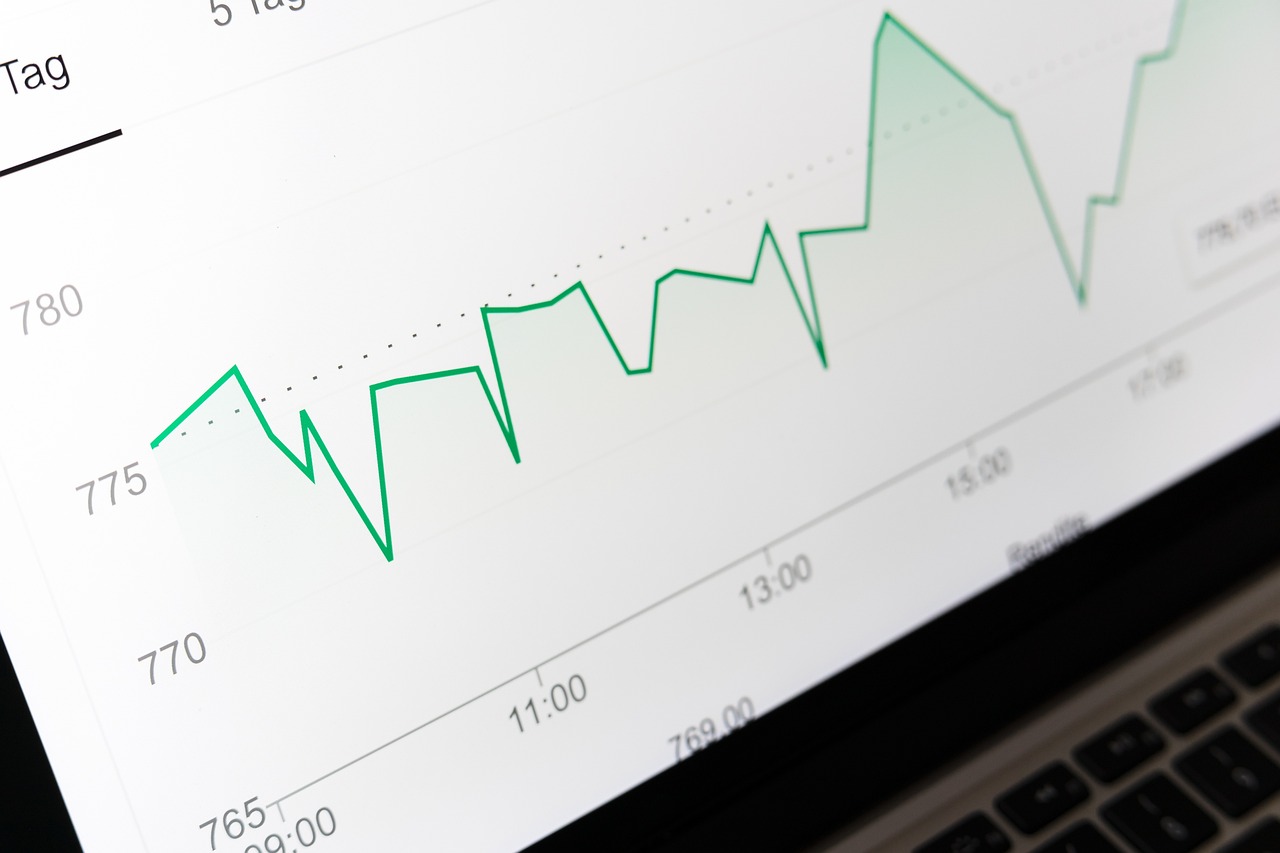

Using PPI Data to Assess Producer Profitability
The Producer Price Index (PPI) serves as a crucial economic indicator that reflects the average change over time in the selling prices received by domestic producers for their output. Understanding PPI is vital for businesses and investors alike as it provides insights into inflation trends, production costs, and overall economic health. By analyzing PPI data, producers can assess their profitability while making important strategic decisions. PPI data is categorized by industry sector, including manufacturing, agriculture, and services. Each sector’s pricing information helps producers evaluate their competitive stance. Furthermore, fluctuating PPI readings can signal shifts in consumer demand and raw material availability. Therefore, when PPI increases, it may indicate rising production costs. This would compel producers to either absorb these costs or pass them onto consumers. On the other hand, declining PPI can enhance profitability as it indicates reducing costs. Producers must consistently monitor these trends to ensure their operations remain sustainable. Additionally, savvy producers will leverage PPI data to negotiate better terms with suppliers, maximizing profit margins when market conditions permit.
To leverage PPI effectively, companies often utilize it alongside the Consumer Price Index (CPI) for comprehensive economic analysis. While PPI gauges prices from the producer side, CPI reflects consumer prices. These indices complement each other, providing an insightful view of inflationary trends. A detailed understanding of both can aid producers in pricing strategies and financial forecasting. Moreover, businesses can differentiate their offerings based on PPI movements. For instance, if raw material prices rise based on PPI trends, manufacturers may seek alternative suppliers to mitigate their expenses. This adaptability can improve resilience against market fluctuations. Businesses can also analyze historical PPI data to forecast future price movements and adjust their operational plans accordingly. Additionally, many companies use PPI data for budgetary allocations and to inform marketing strategies. For example, if PPI trends indicate a coming surge in production costs, a company may consider increasing prices preemptively to maintain profit margins. Another critical aspect of PPI analysis is its impact on investment decisions; investors often regard PPI trends as indicators of sector health and future performance, influencing where they allocate capital.
PPI and Inflation Dynamics
Analyzing PPI dynamics allows producers to gauge potential inflation within the economy. Rising PPI figures often signal that inflation could be on the horizon, impacting purchasing power and consumer behavior. Understanding the relationship between producer prices and inflation assists businesses in planning for future expenses and pricing adjustments. It is crucial for companies to consider the lagged effects of PPI changes. Producers may need to wait for several months before they observe corresponding shifts in consumer prices, indicating the significance of proactive planning. Furthermore, a sustained rise in the PPI can trigger concerns among policymakers regarding inflationary pressures. In such cases, businesses might anticipate shifts in interest rates or monetary policy, which could further impact profitability. To stay resilient, companies should incorporate PPI insights into their risk management frameworks. They can establish contingency plans in case of significant price volatilities. Additionally, keeping an ear to the ground on industry-specific PPI reports aids producers in making informed purchasing and production decisions, maximizing competitiveness in an uncertain economic environment.
Moreover, sector-specific PPI trends provide a clearer picture of individual industry health. For instance, when analyzing the PPI for the manufacturing sector, it is important to understand specific drivers contributing to price fluctuations. Differences in cost structures and market dynamics across sectors necessitate sector-specific analysis, allowing producers to adopt more targeted approaches. Furthermore, policymakers utilize PPI data to understand inflation characteristics and guidance for fiscal measures. Measures to stabilize economic growth may often stem from in-depth PPI analysis. In doing so, economic stakeholders can drive effective policy adjustments to benefit producers and consumers alike. Alongside macroeconomic factors, producer sentiment plays a role in interpreting PPI data. Sentiment surveys conducted among producers provide qualitative insights complementing the quantitative PPI. Businesses should consider integrating sentiment analysis with PPI data to refine their operational strategies. By combining such insights, producers can create robust, agile business models that respond promptly to pricing pressures. Emphasizing adaptability ensures the long-term sustainability of a business amid fluctuating market conditions.
Strategic Pricing Decisions
Strategically setting prices in response to PPI fluctuations is essential for profit maximization. Many businesses employ pricing strategies that take PPI movements into account to ensure competitiveness. For instance, during periods of rising production costs, companies might explore price increases, promotional discounts, or product bundling to mitigate lost sales. It is vital to communicate these changes clearly to consumers, thus preserving brand loyalty during price adjustments. In addition, businesses can utilize data analytics to examine consumer elasticity in relation to PPI shifts. By identifying which products consumers view as necessities versus luxuries, producers can make informed decisions on which items to adjust first. Further, cross-industry comparisons of PPI can yield insights into pricing strategies that competitors might be using, informing adaptations to remain ahead. Businesses that thrive during inflationary periods often practice proactive communication about pricing rationale, fostering transparency with customers. In leveraging PPI data for pricing advancements, producers not only navigate cost increases but also position themselves strategically in the market landscape, enhancing their profitability in competitive circumstances.
Another significant use of PPI data lies in long-term capital investments. Understanding pricing trends can guide producers in making informed decisions about asset acquisition or expansion projects. When PPI rises, signaling an inflationary environment, producers might assess the financial implications of recent investments. Furthermore, companies may also adapt their pricing models or capital-expenditure plans to account for anticipated increases in production costs. It is essential for businesses to regularly review their investment criteria in light of PPI data, assessing whether current rates of return justify the risks associated with unpredictable market conditions. Diversifying supply chains based on PPI fluctuations can further enhance efficiency, minimizing costs amid volatile economic environments. Producer responsiveness to PPI trends can elevate operational success, ensuring sustained profitability in the long run. Additionally, collaboration among producers in the same sector can reveal patterns indicative of future market conditions. By sharing insights on pricing and costs driven by PPI changes, producers can collectively strengthen their position in the marketplace. This collaborative approach nurtures a sense of community, enhancing sector resilience.
Conclusion and Future Directions
In conclusion, the Producer Price Index is an indispensable tool for understanding market dynamics and enhancing producer profitability. By consistently analyzing PPI data, producers can make informed decisions that ultimately drive economic growth and operational efficiency. As market conditions evolve, businesses must remain agile, integrating PPI trends into broader strategic frameworks. In doing so, they can not only maintain profitability but also adapt smoothly to changing economic realities. Furthermore, as we move into an era characterized by digital transformation, leveraging technology to monitor PPI data will become increasingly critical. Applying sophisticated analytics enables producers to respond dynamically to real-time data and potentially forecast future trends more accurately. The role of PPI in sustainable growth will likely expand, with potential applications in supply chain optimization, workforce planning, and pricing models. Ultimately, as producers build resilience amid uncertainty, PPI will serve as a foundational component in navigating the complexities of an ever-changing economic landscape. For all stakeholders involved, understanding and utilizing PPI data will continue to foster profitability and stability in the long haul.
By integrating PPI with other economic indicators, producers not only strengthen their decision-making process but also enrich their market understanding, potentially leading to improved financial outcomes. Regular reviews of PPI trends together with competitive analyses will empower producers to refine their strategies effectively. Those businesses that prioritize informed decision-making stand to gain a competitive advantage in volatile market conditions. Moreover, educational initiatives focusing on PPI and its implications for profitability can foster a deeper understanding among producers and stakeholders alike. By sharing expertise in interpreting PPI data, organizations can create a collective intelligence pool that drives sector-wide best practices. Producers can thus stimulate innovation and adaptability, essential qualities in a thriving economic environment. The engagement with PPI insights empowers producers to proactively chart their course in the face of shifting economic trends and challenges. Overall, leveraging PPI data effectively facilitates more aware business practices, ultimately contributing to sustainable industry growth. As the economic landscape shifts and evolves, staying abreast of producer price changes will serve as a linchpin for profitability and strategic agility.