
Adapting Communication Styles for Different Customer Personas
In today’s diverse market, understanding different customer personas is essential for crafting effective communication strategies. Each persona has unique preferences that influence how they respond to messages. To achieve the best results, businesses must adapt their communication styles accordingly. For instance, younger customers may prefer quick, informal conversations via social media, while older personas might appreciate more traditional customer service channels like phone calls. This adaptability helps in creating a more personalized experience, fostering loyalty and satisfaction. Companies can leverage technology for better segmentation and targeting, ensuring their messages resonate with various customer groups. Employers should invest time and resources into understanding their target audience, utilizing surveys, focus groups, and feedback mechanisms. Moreover, professional development in this area can empower customer service representatives to enhance their skills in identifying and addressing diverse needs. By aligning communication styles with customer personas, businesses can improve engagement, leading to better outcomes. Implementing such strategies requires an ongoing commitment to learning and flexibility in approach to meet evolving customer expectations.
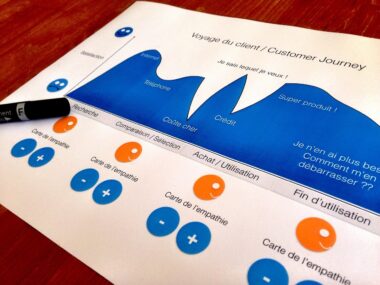
Effective communication is key to building strong relationships with customers. Understanding their needs, pain points, and desires allows businesses to engage effectively. A well-defined customer persona helps in tailoring messages that resonate. For example, if the target persona is a tech-savvy millennial, a business might adopt an energetic tone and include contemporary references. On the other hand, a retired customer might appreciate a more formal and detailed approach. Furthermore, utilizing emotional intelligence plays a significant role in adapting communication strategies to different personas. Recognizing cues, both verbal and non-verbal, allows representatives to adjust their approach in real-time. Training team members to tune in to these signals may enhance performance significantly. The concept of customer journey mapping can also be useful; understanding the phases customers go through enables better communication at every touchpoint. Brands can assess and redefine the appropriate communication style as customers progress in their journey. Continuous evaluation of strategies ensures that messaging remains relevant and impactful as customer preferences evolve over time.
Identifying Key Customer Personas
Understanding who your customers are is crucial for effective communication. Start by gathering data on existing customers using surveys and analytics. Creating detailed personas that encapsulate demographics, interests, and behaviors is essential. For instance, one persona could be a busy professional with limited leisure time, requiring concise communication. Another could be an engaged retiree who appreciates in-depth discussions. Moreover, segmenting customers based on their interactions with the brand enables businesses to understand the motivations behind these behaviors. This enables communication strategies that align directly with their needs. Additionally, understanding emotional triggers plays a pivotal role; some customers respond positively to humor, while others prefer factual information. Continuous research helps to refine and validate these personas over time, ensuring companies meet their audience’s shifting demands. Utilizing this knowledge facilitates a more targeted approach when developing marketing messages, enhancing open rates, engagement, and conversion. Ultimately, adapting communication for specific personas increases customer satisfaction and fosters brand loyalty, paving the way to sustained growth and success.
Once key customer personas are identified, the next step is to craft tailored messages that resonate. Each communication should highlight how the product or service addresses specific customer needs. For instance, for a persona that prioritizes sustainability, messaging should emphasize eco-friendly practices and product features. Conversely, if targeting a persona focused on cost-efficiency, the message must reflect savings and value. Adjusting content format is equally vital; visual-heavy materials may engage younger audiences, while verbose documents work for older personas. For all demographics, incorporating customer testimonials can enhance credibility and relatability. Companies should also leverage different communication channels, taking into account where each persona might be more active. Social media platforms cater to younger audiences, while email or traditional advertising may benefit older customers. Experimentation and analytics can help track communication effectiveness, allowing the company to pivot quickly if necessary. Furthermore, showing empathy, active listening, and responsiveness during interactions builds strong customer relationships. This strategy encourages ongoing dialogue and feedback, enabling continuous refinement of communication efforts to align with evolving customer preferences.
Utilizing Technology for Improved Communication
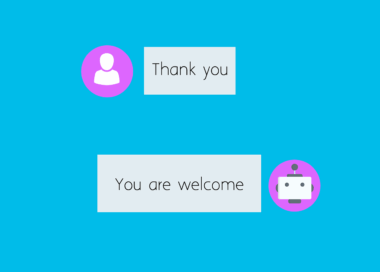
Technology plays an instrumental role in enhancing communication strategies tailored for various customer personas. Using a customer relationship management (CRM) system can assist in managing interactions and personalizing communication. By analyzing data trends, businesses can gain insights into individual preferences, behaviors, and valuable feedback, fundamentally altering their approach. Automated platforms for marketing and social interactions allow for timely messages while freeing up resources. For example, businesses can employ chatbots to address common inquiries immediately, ensuring customers receive prompt responses regardless of their persona. Additionally, analytics tools shed light on engagement metrics, guiding companies to make data-driven decisions regarding their messaging. Video conferencing tools present opportunities for personalized consultations, especially for high-value customers seeking more direct access. Leveraging social media management tools enhances outreach for specific personas, allowing for consistent and tailored messaging. Overall, incorporating technology into communication strategies allows businesses to enhance efficiency, maintain relevancy, and engage different personas more effectively. Regularly updating technological enhancements can help businesses stay ahead in the competitive landscape of customer communication.
The tone and language used in communication can significantly impact how customers perceive the brand. Adopting a friendly, warm approach can make customers feel valued and understood. Personalized messages can evoke positive sentiments towards the brand, further deepening relationships. However, it is crucial to strike a balance; being overly casual may alienate some personas who prefer professionalism. Therefore, utilizing brand guidelines to establish a clear voice that aligns with different customer segments is vital. Language accessibility also matters; messages should be clear and uncomplicated, allowing all customers to grasp key points easily. Adapting communication styles can boost customer confidence in the brand, encouraging them to engage and return. Furthermore, conducting regular training sessions for customer-facing teams equips them with the necessary tools to handle various personas effectively. Encouraging representatives to practice empathy and patience can drastically improve interaction quality. Compiling a repository of successful communication examples can also serve as a reference point to guide new team members. Ultimately, a well-balanced, tailored communication style fosters more robust customer relationships and drives overall business success.
Continuous Improvement in Communication Strategies
Finally, it is essential for businesses to prioritize continuous improvement in their customer communication strategies. Regular assessments and feedback loops facilitate identifying what’s working and what isn’t. Qualitative and quantitative metrics should be employed to gauge customer satisfaction and engagement. Customer feedback surveys can provide actionable insights into how messages resonate with different personas. Equally important is aligning team discussions around adapting strategies based on these findings. Continuous training and development play a critical role in maintaining a competitive edge in customer communication. Encouraging employees to share their experiences with various customer personas can foster a learning culture within organizations. These discussions enable staff members to learn and adopt best practices. Moreover, businesses should remain open to adjusting their approach as customer preferences evolve. Embracing flexibility allows for refining communication techniques, ensuring messages stay relevant to audience needs. Keeping an eye on industry trends and emerging technologies bolsters strategic adaptations. Ultimately, fostering a culture of innovation and responsiveness positions companies to succeed in an ever-evolving marketplace and strengthens customer relationships.
In the end, adapting communication styles for different customer personas is critical. Businesses that embrace this practice stand to gain a significant competitive advantage in the marketplace. With dedicated strategies, understanding personas, and flexibility, companies can elevate their overall communication effectiveness.