
How Donation-Based Crowdfunding Helps Community Projects Thrive
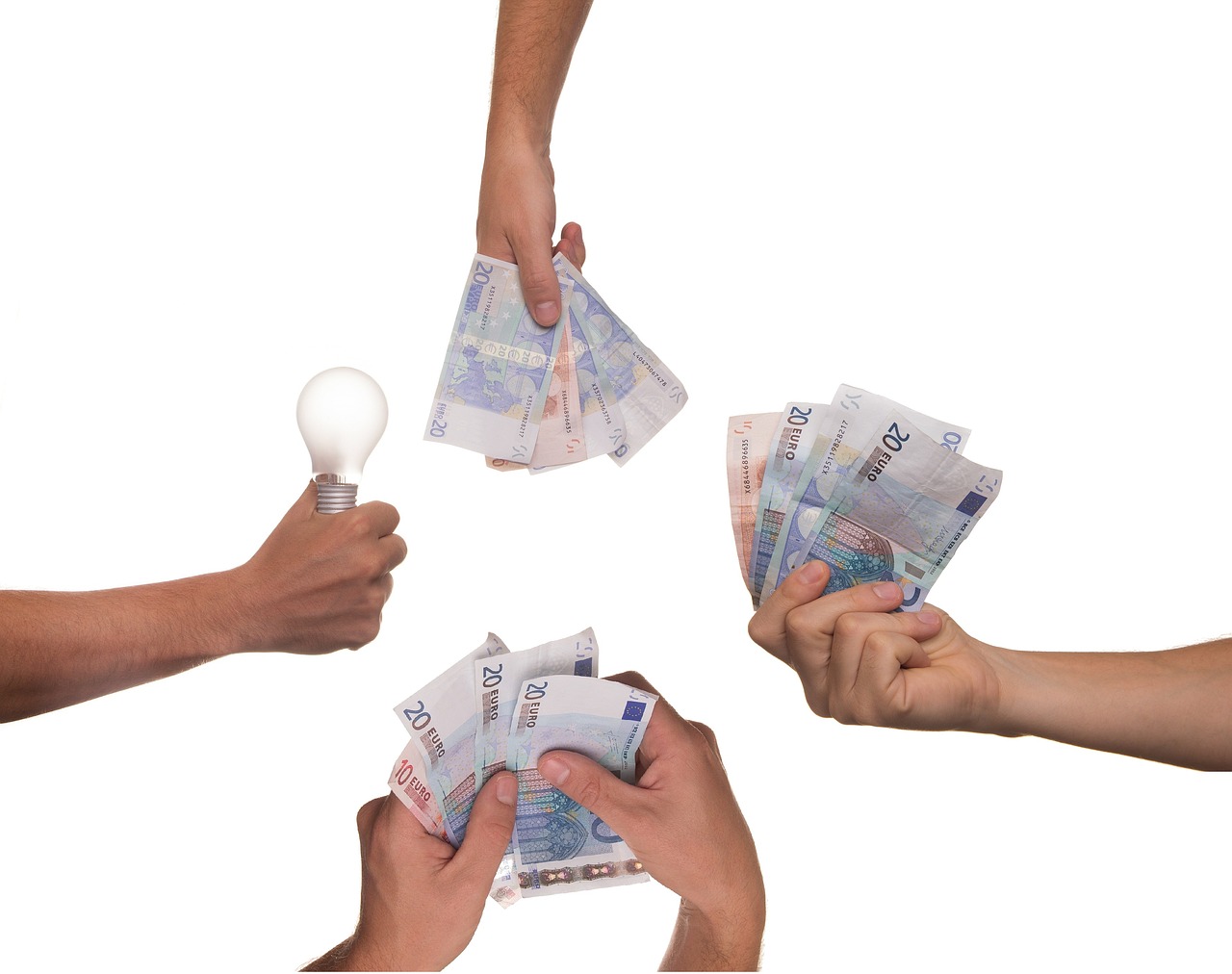
Donation-based crowdfunding has become a powerful tool for financing community projects, tapping into the generosity of individuals who wish to create a positive impact. This model allows project creators to solicit donations without offering any financial return, making it accessible to many grassroots initiatives. Platforms like GoFundMe, Kickstarter, and Indiegogo empower projects focused on community improvement, arts, health, and education. By leveraging social networks, these platforms increase visibility, encouraging people to contribute to causes they care about. Donors often feel personally connected to these campaigns, fostering a sense of camaraderie among community members. Furthermore, donation-based crowdfunding encourages transparency as project creators need to communicate their goals and progress, building trust with backers. It enables innovative community projects that might otherwise struggle for funding due to a lack of traditional financing options. As a result, communities can tackle local issues, whether it’s refurbishing a park or funding educational programs. Engaging individuals in supporting tangible initiatives promotes a sense of ownership and belonging, strengthening community ties. Thus, donation-based crowdfunding can transform ideas into reality by weaving together the resources and passion of a community.
Moreover, one of the key benefits of donation-based crowdfunding is the ability to reach a wide audience without geographical limitations. This method democratizes access to financial support, allowing projects in remote or underserved regions to gain visibility. By utilizing social media and online outreach, project creators can share their passion and vision with potential donors around the world. This global reach is especially beneficial for causes that resonate with specific communities or advocate for excellence, such as environmental preservation or public health. Notably, successful projects often have a compelling narrative that resonates deeply with contributors, which highlights the importance of storytelling. These narratives help in creating an emotional connection with potential supporters. Projects can showcase the community’s needs, what they aim to achieve, and how contributions will make a difference. This emotional appeal can significantly increase the likelihood of receiving donations. Furthermore, transparency about how funds will be used can enhance this trust, making potential donors more comfortable investing in projects. Therefore, strong narratives and clear financial insights can boost a project’s success in crowdfunding.
Building Community through Crowdfunding
Donation-based crowdfunding not only helps to fund community projects but also fosters community engagement and participation. As individuals contribute their resources, they become invested in the project’s success, creating a sense of shared responsibility. This participation can transform passive supporters into active contributors, leading to increased volunteerism and collaboration within the community. Crowdfunding campaigns often bring people together for a common cause, igniting enthusiasm as supporters share the project with their networks. This collective effort can amplify the reach of the campaign, helping it gain traction more quickly than traditional fundraising methods. The process of crowdfunding can also highlight local talents and expertise, sparking collaborations among creators and community members. Events or online forums related to the project can further engage the community, allowing more interaction and input. Often, backers provide more than just financial support; they may contribute skills, advice, or additional contacts, enriching the project’s potential. By engaging the community, crowdfunding builds a robust framework that encourages everyone to participate actively, ultimately leading to sustainable initiatives that have long-lasting benefits.
Additionally, the use of social media in donation-based crowdfunding plays a crucial role in its effectiveness. Campaign creators frequently leverage platforms like Facebook, Twitter, and Instagram to share their stories and updates with a larger audience. This engagement not only helps in spreading the word but also in fostering emotional connections with potential donors. Donors love to see the impact of their contributions in real-time, often leading to increased motivation to support the campaign. By regularly updating backers on progress, fund allocation, and upcoming events, campaigners can build lasting relationships with supporters. These updates create a cycle of engagement where donors feel valued and more likely to contribute again in the future. Additionally, campaigns can encourage supporters to share their contributions on social media, further driving awareness and community involvement. Furthermore, interacting with backers and the wider community can generate a collaborative spirit, making future projects easier to launch. This connectivity and engagement foster a vibrant ecosystem that thrives on shared values and collective action, which is at the heart of successful donation-based crowdfunding.
Challenges and Solutions in Donation-Based Crowdfunding
While donation-based crowdfunding has many advantages, it’s important to address the challenges that can arise during the process. For instance, creating a successful campaign requires more than just a good idea; it necessitates careful planning, effective marketing, and transparency to build trust. Many projects fail to reach their funding goals due to a lack of visibility or inadequate communication with potential backers. Increasing one’s campaign’s visibility can be achieved through various marketing strategies, such as social media promotions and strategic partnerships. Additionally, failure to communicate regularly with supporters can lead to disengagement, where backers feel left out of the loop regarding project developments. Campaign creators should develop a transparent roadmap outlining how funds will be used and expected outcomes. Crowdfunding platforms provide tools and resources that can help creators stay organized and communicate effectively. Moreover, engaging with local influencers or media can help gain traction. Addressing these challenges can significantly enhance the likelihood of a campaign’s success, ensuring that community projects can confidently move forward with funding.
Another critical consideration in the realm of donation-based crowdfunding is the importance of post-campaign communication and follow-up. Successfully funded projects often face the dilemma of how to maintain engagement with contributors after the campaign has ended. It is essential for creators to keep backers informed about project progress and any developments along the way, reinforcing the connection established during the crowdfunding phase. Regular updates can help reassure donors that their contributions are being used effectively, fostering goodwill and trust. Many successful projects even go beyond simple updates by inviting backers to participate in milestones or events related to the project. This tactic not only acknowledges their contributions but also strengthens the community’s bond. Furthermore, transparent sharing of results and outcomes helps to build a solid reputation for future projects. When backers feel valued and involved, they are more likely to contribute again to subsequent campaigns and encourage others to do so. Thus, post-campaign communication is a vital aspect that shouldn’t be overlooked, as it solidifies relationships and nurtures an ongoing supportive community.
The Future of Donation-Based Crowdfunding
As we move into the future, donation-based crowdfunding continues to evolve, incorporating new technologies and broader acceptance within society. New advancements such as blockchain technology, cryptocurrencies, and artificial intelligence are redefining how projects can be funded. Blockchain can offer enhanced transparency and security for transactions, making donors more comfortable contributing their support. Additionally, artificial intelligence can help project creators target relevant audiences, optimizing marketing efforts for crowdfunding campaigns. As this model matures, we also see a growing trend in sustainability and social impact, with more projects aligning with the United Nations Sustainable Development Goals. This shift emphasizes community-focused initiatives that address pressing global challenges, inspiring more individuals to contribute. Crowdfunders are increasingly interested in the social and environmental implications of the projects they support, leading to a greater emphasis on ethical practices. Ultimately, the future of donation-based crowdfunding looks promising, as it adapts to changing societal needs and technological advances, maintaining its relevance as a tool for community empowerment and collective action.