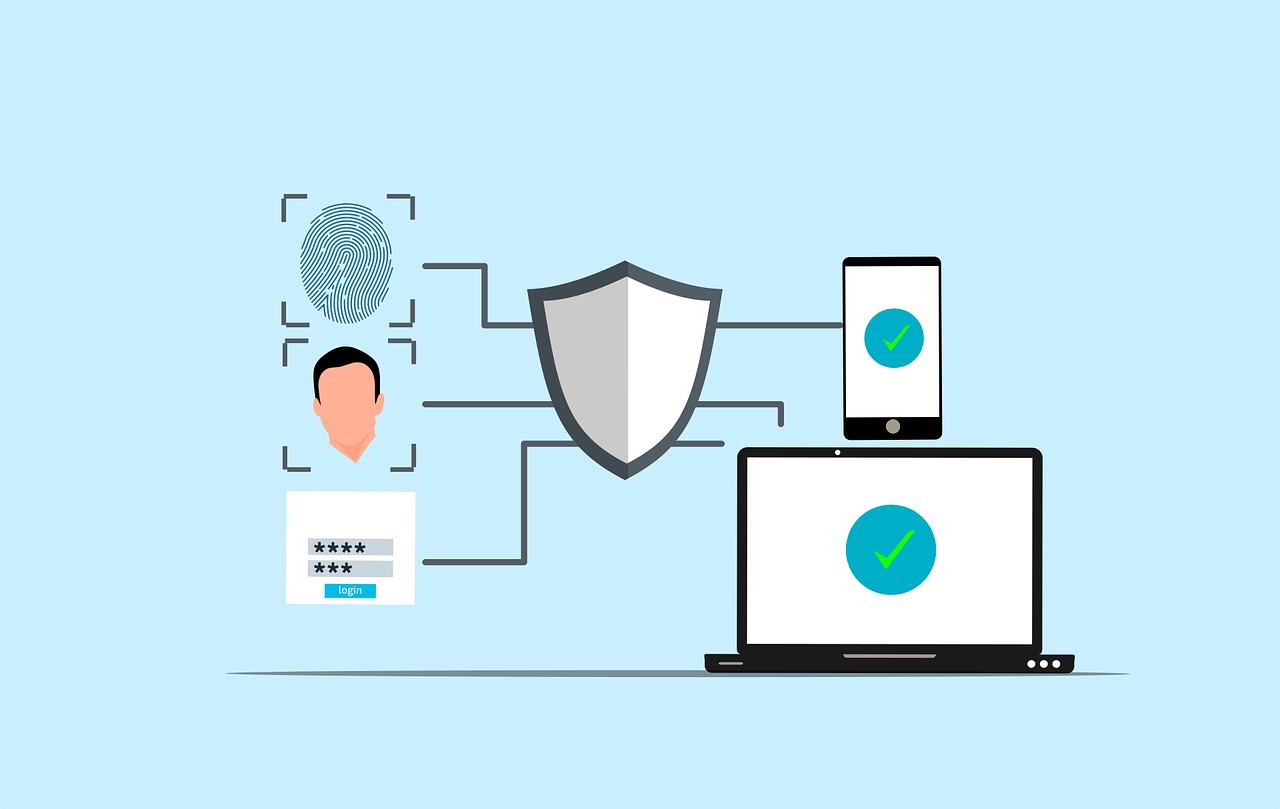

Incident Response Planning for Mobile Banking Security
Mobile banking has revolutionized financial services, offering users convenient access to their accounts and facilitating transactions on the go. However, this convenience comes with significant security risks. Mobile banking applications can be vulnerable to cyberattacks, which can lead to data breaches, identity theft, and financial losses. Therefore, incident response planning is pivotal in addressing potential threats and ensuring that appropriate actions are taken swiftly in the event of a security incident. Having a well-defined incident response plan helps financial institutions protect sensitive information while maintaining customer trust. It’s essential to identify key stakeholders, outline communication protocols, and establish procedures for incident detection and reporting. Training staff and incorporating simulation exercises will prepare teams for real-life scenarios. Therefore, a proactive approach to mobile banking security isn’t just beneficial; it’s a necessity in today’s digital landscape. Robust incident response planning not only enhances security but also assures customers that their finances are safeguarded. When done effectively, it reduces the chaos typically associated with security breaches, ensuring a streamlined response.
Understanding the different types of threats to mobile banking security is essential for developing an effective incident response plan. Common threats include phishing attacks, malware, and man-in-the-middle attacks. Phishing attacks often target users through deceptive emails or messages encouraging them to provide personal information. Malware can compromise mobile devices, allowing hackers access to sensitive financial data. Man-in-the-middle attacks occur when attackers intercept communications between the user and the banking application, leading to data breaches. Recognizing these threats enables financial institutions to create tailored defense mechanisms. Regularly updating software, using strong encryption methods, and employing multi-factor authentication are critical preventative measures. Additionally, continuous monitoring for abnormal behaviors and potential breaches is vital for the detection of incidents. By understanding these threats and enhancing their incident response plans accordingly, banks can minimize vulnerabilities associated with mobile banking. Investing in cybersecurity training for employees can also ensure that the entire organization is aware of the risks. This comprehensive approach not only protects the institution but also fosters a secure banking environment for customers.
Developing a Proactive Incident Response Plan
Creating a proactive incident response plan is imperative for protecting mobile banking systems. The plan should encompass several key components to ensure it’s effective. First, the organization must establish a dedicated incident response team composed of diverse roles, including IT experts, legal advisors, and communications specialists, ensuring comprehensive coverage of potential security incidents. Second, organizations should develop a clear incident classification system that defines the severity of incidents, allowing the team to prioritize responses effectively. Third, communication protocols must be outlined, detailing how information will be shared internally and externally, especially with customers. Moreover, procedures for documenting the incident’s timeline, actions taken, and results observed should be established, which is crucial for future reference. Regular training and simulation exercises will help prepare the team for real-world scenarios. Finally, organizations should incorporate continuous improvement, assessing and updating the response plan based on evolving threats and past incidents. A proactive plan enhances resilience and prepares financial institutions for swift and effective incident management.
Testing the incident response plan regularly is vital for ensuring its effectiveness and efficiency. Regular testing allows organizations to gauge the readiness of the incident response team and identify areas for improvement. Various testing methods, such as tabletop exercises and full-scale simulations, provide practical insights into how well the plan functions under pressure. In tabletop exercises, team members discuss their roles and responsibilities in hypothetical scenarios, allowing for dialogue around potential improvements. Full-scale simulations involve practice responses to realistic security incidents, highlighting strengths and weaknesses in real time. Collecting feedback from participants can reveal further insights into gaps or misunderstandings, facilitating targeted training sessions. Moreover, evaluating the results of these tests provides crucial data for refining the incident response plan. This cycle of testing and refinement ensures that the organization remains prepared for emerging threats in mobile banking security. Continuous enhancements to the incident response plan not only improve response times but also strengthen overall security, reassuring customers of the institution’s commitment to safeguarding their information.
Real-Time Monitoring and Detection
Real-time monitoring and detection play a critical role in incident response planning for mobile banking security. Implementing advanced monitoring solutions enables financial institutions to detect suspicious activities or anomalies, allowing for a swift response before an incident escalates. Continuous oversight helps identify potential threats through patterns of behavior that deviate from the norm, such as unusual transaction locations or amounts. Using artificial intelligence and machine learning algorithms can enhance monitoring capabilities, rapidly processing large volumes of transactions while identifying threats that human analysts might overlook. Additionally, integrating automated alerts can expedite the response process by notifying the incident response team as soon as abnormalities are detected. Rapid detection significantly minimizes the potential impact of security incidents, safeguarding customer data and financial assets. Taking a proactive stance through real-time monitoring reassures customers and enhances confidence in mobile banking services. Financial institutions must also ensure that their monitoring systems comply with relevant regulations and standards, ensuring a secure and compliant operational environment. This dedication to security reflects positively on the institution’s reputation.
Effective communication is key during a security incident and is an integral part of the incident response plan. Clear communication minimizes confusion, ensuring that all team members understand their roles and responsibilities during an incident. Financial institutions must develop internal communication protocols outlining who should be informed and how information will be disseminated. Notably, establishing a communication tree can help streamline the information flow during crises, ensuring timely updates reach crucial stakeholders. Externally, banks should communicate transparently with customers about potential threats, security breaches, or necessary actions they should take to protect themselves. Proactive communication not only fosters trust with customers but also mitigates reputational damage during a crisis. Providing customers with timely updates ensures they understand the measures being undertaken to protect their accounts, reinforcing their confidence in the bank’s commitment to security. The institution must also monitor social platforms for public sentiment and inquiries, allowing for a well-rounded communication strategy. This comprehensive approach to communication enhances the effectiveness of the incident response plan while ensuring that stakeholders are well-informed throughout the incident.
Post-Incident Review and Future Improvements
Post-incident reviews are essential following any security incident, providing invaluable insights that can improve future responses. After addressing the immediate aftermath of an incident, teams should gather to analyze the event’s timeline, the actions taken, and their effectiveness. Documenting these insights highlights not just what worked but also identifies areas needing enhancement. Such reflections can lead to better precautionary measures and adjustments to the incident response plan. It’s also beneficial to involve various team members in these discussions, as different perspectives can uncover overlooked aspects and foster a more rigorous analysis of the incident. Additionally, incorporating lessons learned into training programs ensures that all staff members remain informed about evolving security landscapes and response strategies. As technology and cyber threats continue to evolve, so must the incident response plans adapt to ensure they remain robust. Establishing a culture of continuous improvement enhances the overall security posture of financial institutions, ensuring they’re not just reactive but also proactive in safeguarding mobile banking security.
In conclusion, incident response planning for mobile banking security is an ongoing commitment involving continuous assessments, adaptations, and improvements. This planning is essential for safeguarding sensitive financial data in an increasingly complex digital landscape. Financial institutions must embrace proactive measures that encompass regular testing, robust monitoring, clear communication, and thorough post-incident reviews. By taking these steps, they enhance their ability to respond to and mitigate security incidents while maintaining customer trust. Furthermore, fostering a culture of vigilance and responsiveness within the organization ensures that all employees understand their roles in maintaining security. As the landscape of cyber threats evolves, so must the strategies employed to counteract them. Collaboration within teams, as well as with external experts, can significantly strengthen defenses while improving the incident response framework. Ultimately, by prioritizing incident response planning, financial institutions can protect their customers’ sensitive information and fortify their reputation as trustworthy providers of mobile banking services, which is vital in retaining customer loyalty and confidence in the digital age. Effective incident response planning not only safeguards against financial losses but also enhances overall user experience and satisfaction in mobile banking services.