
Lean Accounting Techniques for Accurate Cost Measurement
Lean accounting focuses on accurate cost measurement while eliminating wasteful practices that do not add value. This method emphasizes a streamlined approach, allowing businesses to achieve higher efficiency, transparency, and reduced costs. By integrating lean principles into accounting practices, organizations can better understand their cost structure and identify areas for improvement. One primary technique for enhancing cost accuracy is the value stream mapping, which visually represents the flow of materials and information. This mapping helps pinpoint non-value-added activities, enabling accountants to refine the processes involved in production and service delivery. Additionally, lean accounting encourages regular performance reviews to track project progress against financial metrics, ensuring that improved cost measurement reflects the actual value delivered to customers. Teams can assess their financial performance while aligning their spending with strategic business goals. By fostering collaboration among different departments, lean accounting promotes a culture of accountability, where each employee understands their impact on costs and overall efficiency. Emphasizing continuous improvement, lean techniques can inspire a better understanding of costs, thereby ultimately fostering a more dynamic organizational culture focused on enhancing profitability and sustainable growth.
One notable aspect of lean accounting is standard costing, providing a benchmark to measure performance and highlight variances. Unlike traditional methods, which may create disconnects between operational and financial metrics, standard costing aligns them closely for real-time decision-making. For instance, production teams can quickly see how their efficiencies affect the overall financial performance. To implement standard costing successfully, organizations must establish clear protocols for creating and updating standard costs as market conditions change. Another important element of lean accounting is the use of activity-based costing (ABC), which assigns costs to specific activities based on their actual resource consumption. This technique allows businesses to identify high-cost areas and reduce unnecessary expenditures, leading to more accurate cost allocation. As a result, organizations can make informed decisions on pricing strategies and resource allocation. Lean accounting further informs managers about the profitability of services and products, enabling a comprehensive understanding of cost drivers. Enhancing visibility into cost structures helps streamline operations and creates opportunities for cost reductions without compromising quality and capability. Consequently, these techniques can revolutionize how businesses measure costs and, ultimately, drive their success.
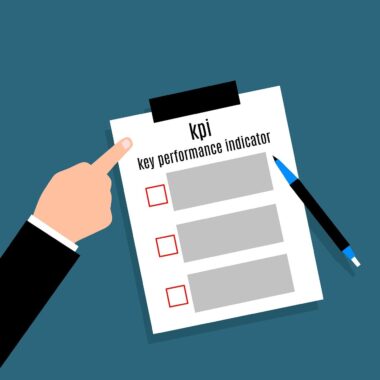
Another crucial technique within lean accounting is the use of performance metrics, such as Key Performance Indicators (KPIs), designed to track financial and operational efficiency. Organizations can regularly review these metrics to assess their overall activities and identify areas for improvement. A strong focus on KPIs encourages a proactive approach to managing costs and operational performance, fostering a culture of accountability. For example, a manufacturing firm may implement KPIs related to production efficiencies, labor costs, and waste reduction. By analyzing these metrics, businesses can adapt strategies to enhance productivity and minimize costs. Furthermore, the importance of information technology in lean accounting cannot be overstated. Integrated software solutions can automate data collection and reporting processes, offering real-time insights into production and financial performance. Cloud-based tools can streamline communication across departments, allowing employees to share information swiftly. By adopting such tools, organizations can enhance the precision of their financial data and, in turn, improve cost measurement efforts. This transparency ultimately empowers managers and stakeholders to make evidence-based decisions that drive profitability and long-term sustainability.
Benefits of Lean Accounting
This shift towards lean accounting not only improves cost measurement but also brings numerous benefits to organizations. One significant advantage is the reduction of lead times in decision-making. By ensuring that accurate cost information is available promptly, management teams can respond swiftly to market changes. Lean accounting techniques facilitate quicker data retrieval and analysis, reducing the time spent on reporting and compliance. Moreover, organizations utilizing lean accounting enhance employee engagement. With employees actively involved in understanding the financial implications of their work, this motivates them to take ownership of costs while contributing to process improvements. As teams collaboratively identify cost-saving initiatives, a culture of continuous improvement flourishes within the organization. Additionally, lean accounting can foster stronger customer relationships, as businesses become more agile in adapting their service offerings based on cost structures. Better cost measurement enables organizations to provide competitive pricing while maintaining quality. Furthermore, heightened transparency in cost structures allows customers to appreciate the value they receive, encouraging loyalty. Emphasizing performance measurement and continuous improvement, lean accounting techniques create a framework that can transform the organization’s approach to cost management strategically.
Implementing lean accounting practices often requires a cultural shift in organizations, focusing on continuous improvement and employee engagement. Successful implementation begins with leadership support, emphasizing the importance of a lean mindset across all departments. Leaders must communicate the benefits of lean accounting effectively, ensuring that employees understand their roles in achieving the organizational goal of reducing waste and enhancing cost accuracy. Training employees on lean principles and practices empowers them to identify opportunities for continuous improvement. Workshops and seminars can facilitate knowledge sharing, allowing teams to collaborate on best practices. Additionally, organizations should establish cross-functional teams to promote collaboration and knowledge exchange across departments. This integration fosters a sense of ownership over costs, encouraging employees to contribute actively to improving financial outcomes. Regularly scheduled strategy meetings can help maintain momentum and ensure alignment with the overall business goals. It is crucial to celebrate the small wins along the way to reaffirm commitment to lean accounting practices. Recognizing and rewarding employees’ contributions can sustain motivation and drive the culture change required for successful lean accounting implementation.
Furthermore, businesses embracing lean accounting must maintain flexibility to adapt to changing market conditions. Economic factors, consumer preferences, and technical advancements can continually influence cost structures. To stay competitive, organizations must periodically reassess their accounting methods and be prepared to adjust accordingly. This adaptability is vital in ensuring the relevance of the lean approach, enabling companies to remain agile amid market fluctuations. Utilizing advanced analytical tools can significantly enhance forecasting accuracy, as organizations can better model potential financial scenarios. A cyclical review process incorporating feedback from employees at all levels can help mi—nimize blind spots and identify emerging trends. Regularly updating financial data and revising strategies allow organizations to stay informed and make educated decisions. Moreover, organizations can foster resilience through robust strategies that appreciate their stakeholders’ opinions, ensuring a diverse perspective on costs and processes. Ultimately, this adaptive approach to lean accounting ensures businesses can not only identify but seize opportunities for growth while managing risks effectively. Lean methodologies offer transforming insights into the processes that drive value, proving essential for continued success.
Conclusion
In conclusion, lean accounting techniques provide organizations with valuable tools to achieve accurate cost measurement while fostering a culture of continuous improvement. By embracing cost-effective practices such as standard costing, activity-based costing, and performance metrics, businesses can gain a deeper insight into their financial performance. Furthermore, the integration of advanced technologies significantly enhances data accessibility and analytical capabilities, allowing for timely decision-making. Organizations must cultivate an environment of cooperation and training to facilitate the successful implementation of these techniques, encouraging employees to actively participate in enhancing cost awareness. Adopting lean accounting not only improves funding practices but also empowers organizations to be more responsive to market changes while maintaining customer satisfaction. Ultimately, businesses can achieve sustainable growth by aligning their cost structures with strategic objectives, ensuring they remain competitive in an ever-evolving landscape. The continuous commitment to assessing and refining accounting processes will ensure that organizations are well-equipped to tackle financial challenges ahead while maximizing value for all stakeholders involved.
In summary, lean accounting techniques play a pivotal role in establishing accurate cost measurement crucial for any organization’s financial health. By integrating these methods, businesses can uncover inefficiencies, promote a culture of accountability, and foster collaboration among departments. These techniques enable organizations to align costs with their strategic goals, ensuring an agile and sustainable approach to finance. With a focus on continuous improvement and responsiveness to market conditions, lean accounting effectively transforms organizations’ financial landscapes. Engaging employees in the process also enhances commitment and ownership, making everyone a stakeholder in driving cost efficiencies. Over time, these combined benefits can propel organizations to greater profitability and customer satisfaction, leading to long-term success in their respective industries. As businesses navigate this competitive environment, adopting lean accounting techniques will continue to be instrumental in creating financial insights that support effective decision-making and strategic planning. The journey towards lean accounting may present challenges; however, with leadership commitment and employee engagement, the transition can yield impressive results that define the future of organizational finance and positioning.