
Phishing Attacks on Cryptocurrency Holders: Prevention Strategies
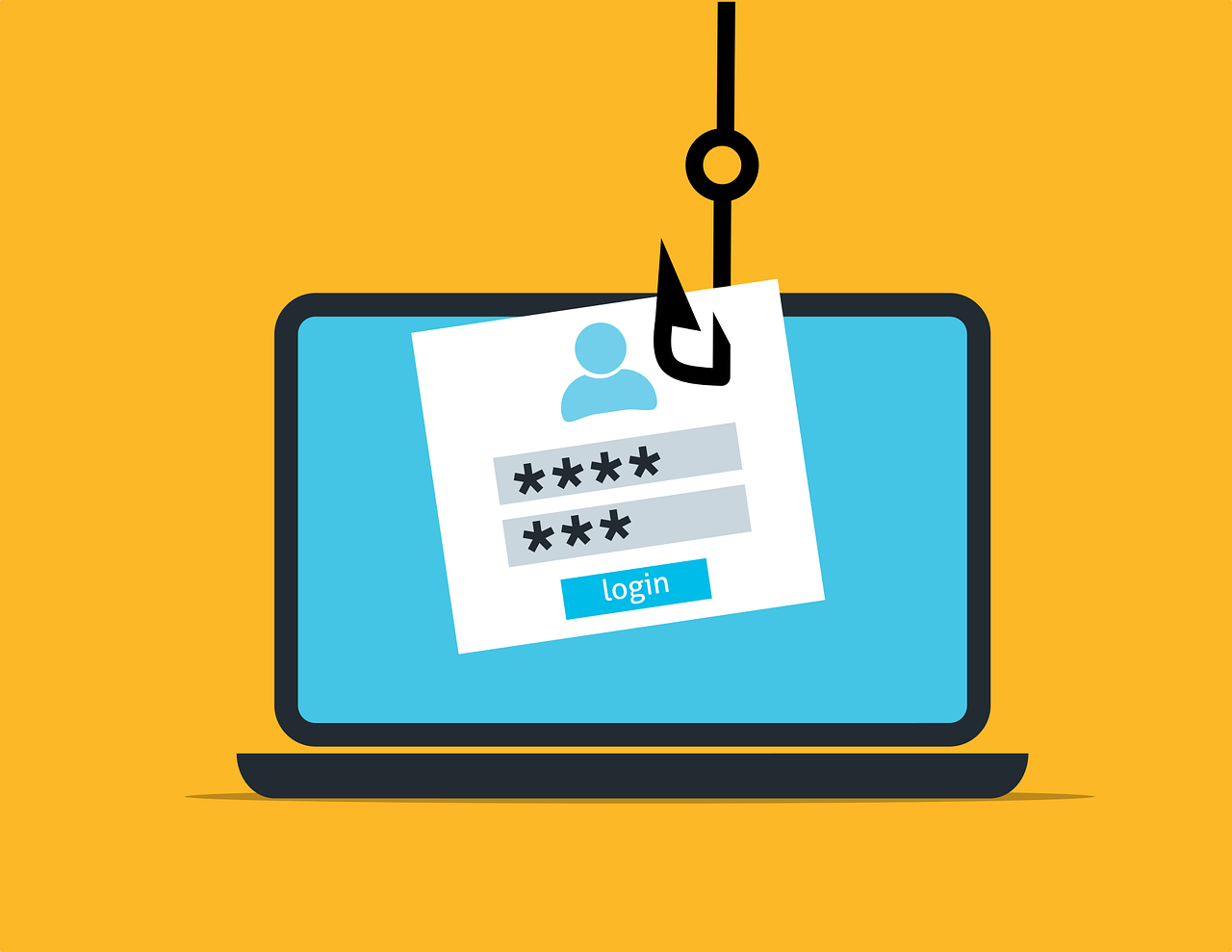
As the popularity of cryptocurrency continues to rise, so does the risk of phishing attacks targeting cryptocurrency holders. Phishing is a form of cybercrime that involves tricking individuals into providing sensitive information, such as passwords and private keys, by masquerading as a trustworthy entity. Phishing can be executed through various channels, including emails, social media, and fake websites. These attacks can lead to substantial financial losses for unsuspecting victims, making awareness and prevention strategies crucial. Cryptocurrency holders must adopt strong security measures to minimize the risk of falling victim to such attacks. One effective method involves enabling two-factor authentication (2FA) on all accounts associated with cryptocurrency transactions. 2FA adds an extra layer of protection by requiring users to provide a second form of verification, such as a SMS code, alongside their password. Another strategy is to conduct thorough research on the authenticity of websites before entering any personal information. Additionally, users should remain vigilant and skeptical of unsolicited communications that request sensitive details or direct them to suspicious links.
Understanding the Phishing Landscape
Understanding the various types of phishing attacks can significantly enhance your security posture. There are various phishing techniques criminals employ, including spear phishing, where attackers target specific individuals or organizations. This method typically involves extensive research to craft convincing messages, making it difficult for the target to identify the scam. Another prevalent type is clone phishing, involving the creation of an identical email to one previously received, with malicious links or attachments substituted. Common indicators that indicate a phishing attempt include unusual language in communication, grammar mistakes, and unfamiliar sender email addresses, as these can signal a fraudulent email. Cryptocurrency holders should be aware of these schemes and be educated on the tactics that scammers use. Regularly updating software and anti-virus programs can aid in defending against potential threats. Moreover, keeping the security software and systems updated helps in identifying new phishing schemes and malicious activities. By being informed and on high alert, cryptocurrency holders can significantly reduce the likelihood of becoming victims of these scams, thus ensuring safer transactions within the crypto space.
Security measures extend beyond awareness and require proactive actions. First and foremost, cryptocurrency holders should never share their private keys with anyone. This key is akin to a bank account password and should be treated with utmost confidentiality. Additionally, utilizing hardware wallets for storing cryptocurrencies can provide an extra layer of security, as these wallets are offline and less susceptible to phishing attempts compared to online wallets. Understanding and checking URLs before clicking on links is another precautionary step. Users must ensure that the address is legitimate and not a near-identical imitation. Using browser extensions that automatically verify the authenticity of a website is also advisable; these tools can warn users of potential phishing sites. Regularly reviewing your cryptocurrency account statements can help identify any unauthorized transactions, allowing swift action to be taken if needed. Furthermore, participating in forums or community groups will keep you updated about the latest scams and effective measures others implement. By hardening your security measures and being well-informed, you can significantly mitigate the risks associated with phishing attacks.
Staying informed through continuous education is vital for cryptocurrency security. Many free resources, like webinars and online training courses, offer valuable information on avoiding phishing threats. By educating oneself about the latest scams and how to identify them, cryptocurrency users develop a strong defense. Engaging in discussions with fellow enthusiasts and following reputable cryptocurrency news sources enhances your knowledge and keeps you alert. Moreover, being aware of the regulatory landscape and understanding cryptocurrency regulations can prevent unintentional breaches that phishing attacks may exploit. As the world of cryptocurrency evolves, attackers innovate their tactics, making it essential to stay updated continuously. Employing a proactive approach by educating yourself will empower you to discern legitimate opportunities from scams effectively. Reassessing security protocols regularly ensures that you adapt to new threats. By incorporating security measures like updating passwords frequently and ensuring they are complex, you hinder unauthorized access. Remember, personal security strategies can make all the difference. Implementing comprehensive education and preventative actions can sharply reduce your vulnerability to phishing schemes within the cryptocurrency environment.
Influence of Social Engineering in Phishing
Social engineering plays a significant role in the success of phishing attacks. Scammers leverage psychological manipulation techniques to create a sense of urgency or importance, which tricks victims into taking hasty actions. For instance, a typical ploy may involve sending a fake email that appears to be from a cryptocurrency exchange, warning users that their account will be suspended unless they verify their identity urgently. This form of manipulation can induce panic, causing users to bypass their normal security protocols. Understanding these psychological tactics allows cryptocurrency holders to recognize when they are being manipulated. Practicing skepticism when receiving direct requests for sensitive information can serve as an effective countermeasure. Furthermore, maintaining a calm approach when evaluating suspicious messages can decrease the likelihood of falling victim to such attacks. Recipients should take the time to authenticate the sender rather than immediately responding. Building habits such as taking a step back to think about the communication can prevent knee-jerk responses that lead to compromised accounts. Social engineering highlights the need for heightened awareness and careful consideration before disclosing any personal information.
Incorporating multi-layered security approaches is essential for protecting your cryptocurrency assets. Security does not rely solely on technology, but also on user behavior and awareness. Training users to recognize phishing attempts should be part of a broader security strategy. Organizations and exchanges should develop comprehensive training programs that educate individuals on recognizing threats, appropriate responses, and safe online practices. Encouraging the use of strong passwords, alongside password managers that securely store and generate passwords, can also enhance security. In addition, businesses should establish clear communication policies regarding sensitive information sharing, creating channels for verifying requests. Keeping scam awareness prevalent is vital; companies should regularly distribute reminders on the latest phishing attacks and how to avoid them. When cryptocurrency users are engaged, they contribute to a more secure environment by sharing insights or potential threats within their community. Protecting your digital assets requires perpetual vigilance and fostering a culture of cybersecurity awareness among users. Ultimately, creating a secure community notably helps everyone involved in cryptocurrency transactions navigate this digital landscape without fear.
Conclusion: The Role of Community in Cryptocurrency Security
In conclusion, as cryptocurrencies grow in popularity, the need for robust security guidelines becomes increasingly vital. Phishing attacks constitute a critical threat to individuals and the overall integrity of the cryptocurrency marketplace. Education, proactive measures, and community engagement significantly impact the effectiveness of addressing these risks. Collaboration among cryptocurrency holders promotes shared vigilance, enhancing security for all involved. Building a strong community not only fosters an environment of support but encourages individuals to stay updated on emerging threats and attacks. While developing personal security awareness is crucial, working together with fellow users amplifies the ability to counteract phishing attempts. Regular dialogues within the community keep everyone informed and engaged. Moreover, as more users take part in discussions concerning cybersecurity, collective knowledge grows, enabling the identification of innovative prevention strategies. By prioritizing security and sharing resources, users can reduce their vulnerabilities significantly. Ultimately, in the pursuit of a secure cryptocurrency landscape, community involvement proves to be an invaluable asset in thwarting phishing endeavors, ensuring that the digital assets of all participants are safeguarded from malicious threats.
Overall, the financial ecosystem surrounding cryptocurrency is susceptible to various threats, making data security paramount. Enhancing awareness and fostering a proactive security culture can effectively mitigate potential risks related to phishing attacks. By concentrating on a multi-faceted approach involving education, robust security measures, and active community engagement, cryptocurrency holders can collectively strengthen their defenses. Investing time in understanding the various tactics used by cybercriminals is crucial in developing effective countermeasures. Ultimately, the responsibility for security lies not just with individual users but collectively within the cryptocurrency ecosystem. By adopting and promoting best practices, users contribute not only to safeguarding their assets but also to fostering a more secure and resilient environment across the cryptocurrency landscape. Through continued diligence, cryptocurrency holders can protect their investments and navigate the digital economy safely.