
The Intersection of Emotional Intelligence and Data-Driven Leadership
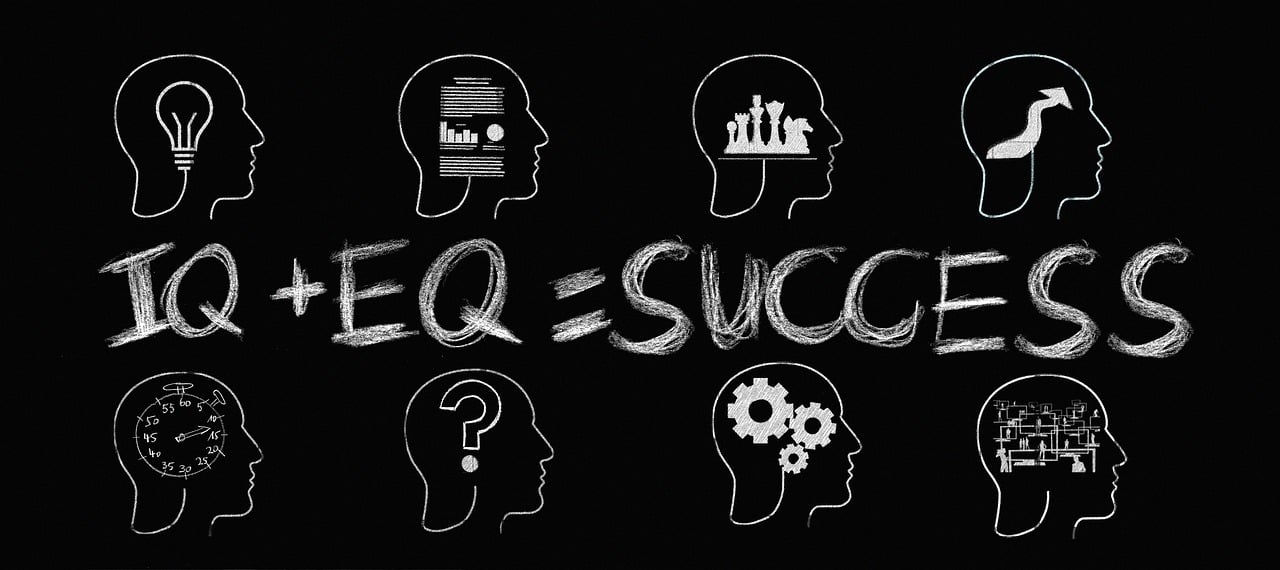
Data-driven leadership represents a pivotal paradigm in modern business management. It emphasizes using data analytics to inform decision-making processes and aligns organizational strategy with empirical evidence. In this rapidly evolving landscape, leaders must leverage data not only for operational efficiency but also to cultivate a deeper understanding of their teams. Emotional intelligence (EI) plays an essential role here, as it enables leaders to interpret data within the context of human behavior. By combining analytic capabilities with emotional insight, leaders can foster authentic connections with employees. This approach empowers teams to achieve strategic goals more effectively while enhancing overall workplace morale. Leaders should strive to balance quantitative data with qualitative emotional insights. This unique intersection catalyzes innovative solutions that drive productivity and engagement, holding the potential to transform organizational culture. A data-driven environment nourished by emotional intelligence fosters resilience against challenges. Company leaders who embody these principles can create a cohesive and motivated workforce capable of adapting to the complexities of the marketplace. In this article, we will extract key insights about the intersection of these two important aspects of leadership.
The effectiveness of data-driven leadership significantly hinges on how leaders employ emotional intelligence in their practices. When leaders clearly understand their team dynamics, they make better decisions. A leader’s ability to read and interpret emotional cues enhances communication, collaboration, and trust. By utilizing analytical tools, leaders can dissect performance metrics while simultaneously employing empathetic responses to team concerns. This holistic approach fosters an environment where employees feel valued, heard, and understood. When data highlights potential gaps in performance, emotionally intelligent leaders can initiate supportive dialogues rather than punitive measures. The dialogue often leads to resolving performance issues more efficiently. Hence, emotional intelligence scales the efficacy of data insights to influence team dynamics and individual productivity positively. Moreover, a good leader can identify emerging trends through data while addressing the emotional landscape contextualizing these trends. Such awareness paves the path for more effective strategy formulation and execution. To thrive in an increasingly complex business environment, leaders must unify data insights with EI approaches. The synergy of these two aspects can inspire groundbreaking innovations, solving problems previously deemed insurmountable, ensuring sustained organizational success.
Building Emotional Intelligence in Data-Driven Contexts
Developing emotional intelligence within a data-driven leadership framework involves strategic training and focused leadership development interventions. Elevating EI requires leaders to engage in self-reflective practices that promote awareness of their emotions and the emotions of others. They can explore avenues such as mindfulness, active listening, and empathy cultivation exercises, further bridging the soft and hard skills often polarized in business discussions. Workshops or training sessions can focus on scenario-based learning, enabling leaders to confront real-life challenges using both data and emotional insight. These methods bolster emotional resilience and enhance decision-making capabilities. Additionally, organizations should encourage feedback mechanisms that foster open dialogue about emotional dynamics within team settings. This openness leads to increased collaboration, improved retention, and enhanced creativity. Utilizing assessment tools like 360-degree feedback can unveil insights about leaders’ emotional competencies. With a data-driven approach to emotional intelligence development, organizations can quantitatively measure improvements across various metrics. Consequently, leaders become more adept at responding effectively to changing circumstances. Over time, this approach results in a more engaged workforce, driven toward collaborative successes and stronger organizational performance overall.
The role of feedback loops in integrating emotional intelligence into data-driven leadership cannot be overstated. Constructive feedback mechanisms create a cycle of continuous improvement and adaptation, enabling leaders to refine their approaches based on team experiences and performance data. Engaging in regular feedback sessions can foster an atmosphere of trust and open communication, as employees feel safe discussing their emotional states and how these affect their work. Specific tools, like regular employee surveys or pulse checks, can assess morale and engagement metrics, providing leaders with the data needed to make informed adjustments to their leadership styles. Leaders should also recognize the importance of timing and delivery when providing feedback, tailoring messages based on situational data while considering the emotional landscape. Balancing data-derived metrics with empathetic delivery promotes a healthy feedback culture within an organization. The synergy of data and EI transforms the feedback process into a powerful tool for growth. As constructive feedback becomes ingrained in organizational culture, leaders can develop a sense of accountability among teams. This shift leads to enhanced performance, as employees feel empowered to learn and improve continuously, promoting resilience and innovation.
Leveraging Data Analysis for Emotional Insights
Effective data-driven leaders not only analyze performance metrics but can also interpret emotional insights gleaned from data collected over time. The use of analytics tools can reveal patterns that correlate employee satisfaction with various operational factors, including workplace environment, leadership styles, and workload management. For instance, data derived from employee engagement surveys can reflect overall sentiment within teams. Understanding these dynamics enables leaders to make informed decisions that go beyond numbers. They can adjust strategies to enhance employee well-being and productivity according to the insights derived. Emotional intelligence allows leaders to empathize with employees, responding to concerns highlighted by data. This dual approach necessitates ongoing training on analyzing qualitative data along with traditional quantitative measures. Leaders must discuss the implications of emotional insights and how they translate into actionable strategies. By harmonizing data analysis with emotional intelligence, organizations ultimately promote a culture of trust and collaboration. Prioritizing emotional insights alongside performance metrics emphasizes a comprehensive understanding of team health. This not only enhances performance but cultivates an enriching experience that inspires loyalty and commitment from employees, essential for long-term organizational success.
Furthermore, embracing emotional intelligence within data-driven leadership can fortify an organization’s adaptive capabilities. In a business landscape marked by rapid changes, the synergy between data insights and EI empowers leaders to navigate uncertainties more effectively. Challenges such as market volatility, technological advancements, or shifts in consumer behavior necessitate leaders who can pivot their strategies while maintaining emotional equilibrium. When leaders harness both EI and analytical skills, they create comprehensive responses that ceaselessly adapt to evolving situations. As agile leaders, they remain receptive to new information, adjusting their approaches based on emerging insights. The emotional intelligence aspect enhances leaders’ ability to motivate teams during tough transitions. Recognizing and addressing employee sentiment during challenging periods fosters resilience and commitment. In such environments, employees are less likely to resist change when they perceive their leaders as understanding and supportive. This facet of leadership not only helps retain talent but aligns teams towards common goals even during disruptive phases. Consequently, cultivating a culture that champions data-driven emotional intelligence can position organizations as robust competitors, capable of thriving in ambiguity while maintaining purpose and vision.
Conclusion: The Way Forward
As the intersection between emotional intelligence and data-driven leadership continues to evolve, it becomes increasingly clear that both aspects are indispensable for sustainable success. Leaders who prioritize developing both analytic capabilities and emotional insight will unlock unparalleled opportunities within their organizations. Furthermore, these leaders will inspire their teams to reach their full potential while fostering an inclusive atmosphere that values both empirical and emotional contributions. At the forefront of this evolution lies the continuous enhancement of leadership practices. Organizations must implement strategic initiatives that equip leaders with the necessary tools, techniques, and training to integrate both approaches. By creating frameworks that facilitate the collaboration of data and emotional intelligence, leaders can foster innovative solutions to complex challenges. The forward-thinking companies will recognize the importance of nurturing an environment where data and emotional insights inform each decision. Through a balanced approach, organizations will be better positioned to navigate future challenges while maximizing the potential of their workforce. Together, data-driven leadership and emotional intelligence form the foundation of a resilient and dynamic business culture, paving the way for mutual success in the ever-changing landscape.
In conclusion, the intersection of emotional intelligence and data-driven leadership is integral to fostering innovation, resilience, and engagement within organizations. As more leaders adopt data-centric methodologies, the inherent qualities of emotional intelligence will serve as a counterbalance, enriching the workplace experience. Leaders who harness both elements effectively will not only navigate challenges successfully but also inspire loyalty and commitment among their teams. Therefore, the intentional cultivation of emotional intelligence alongside data analysis will become a hallmark of forward-thinking organizations. Prioritizing this integration enables leaders to engage meaningfully with their teams, better resolve conflicts, and boost overall performance. By valuing the human element in tandem with data insights, organizations can create an ethos of empathy and understanding. As the landscape of leadership continues to evolve, the interdependence of emotional intelligence and data analysis will define successful business practices. Companies who lead with both heart and data are not only poised for immediate success but are also better equipped for future challenges. Moving forward, organizations should commit to enhancing these competencies within their leadership teams, thus positioning themselves as leaders in the modern business environment.