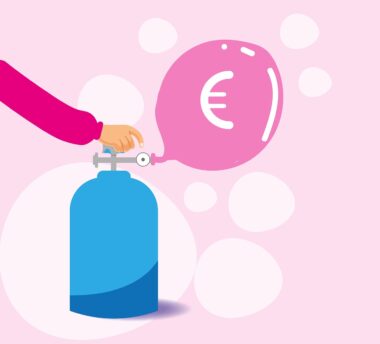

Understanding Inflation and Its Impact on Consumer Purchasing Power
Inflation represents the gradual increase in the prices of goods and services, a phenomenon that profoundly influences consumer purchasing power. When inflation rises, each unit of currency buys fewer products, leading to a decrease in the amount households can afford to purchase. Understanding this relationship is crucial for consumers as they navigate financial decisions in an ever-changing economic landscape. Central banks, such as the Federal Reserve, monitor inflation closely and adjust interest rates to stabilize the economy. High inflation rates can erode savings and lead to uncertainty in financial markets. This creates a challenging situation for consumers, who must manage budgets amid rising costs. By tracking inflation rates, individuals can make informed choices on spending, savings, and investment. Governments often implement measures to control inflation, such as increasing interest rates, which can further impact consumer behavior. Therefore, comprehending inflation’s dynamics is vital for effective financial planning. Consumers should remain vigilant about inflation trends, as they directly affect daily expenses and living standards. Overall, inflation shapes economic conditions significantly, necessitating awareness from consumers.
The Causes of Inflation
Inflation can stem from various sources, and understanding these origins helps consumers anticipate price shifts. Demand-pull inflation occurs when consumer demand for goods surpasses supply capabilities, leading to increased prices. Conversely, cost-push inflation results from rising production costs, prompting businesses to pass on these expenses to consumers. Various factors contribute to these inflation types, including changes in government policies, global supply chain disruptions, and fluctuations in commodity prices. Additionally, monetary policy plays a critical role; when central banks inject more money into the economy, inflation often rises. Financial crises can exacerbate these factors, creating a feedback loop that dominates market trends. Importantly, localized inflation may also arise from specific economic conditions or events, further complicating consumer budgeting decisions. As prices rise, particularly in essential areas like housing and food, consumers may feel the pinch. This necessitates a proactive approach in budgeting and spending strategies. Staying informed about inflation drivers allows consumers to adjust their financial plans accordingly. Ultimately, by understanding the causes of inflation, consumers can navigate its challenges more effectively.
Inflation perpetually compromises consumer purchasing power, impacting everything from daily necessities to discretionary spending. When individuals encounter rising prices, they often prioritize essential items, deeming luxuries as less critical. This shift in spending can influence businesses, resulting in reduced sales of non-essential goods and prompting adjustments in corporate strategies. As a response to inflation, consumers may seek discounts, promotions, or cheaper alternatives, altering market dynamics. Consequently, businesses may increase marketing efforts to attract cost-conscious shoppers, shaping overall consumer behavior. Additionally, inflation can influence credit relationships; individuals might avoid borrowing in a high-inflation environment, fearing that loans may become too burdensome over time. As savings diminish in value, consumers may rush to invest in tangible assets like real estate, leading to inflated prices in those sectors as well. Such behaviors reflect adaptive strategies aimed at preserving financial stability during inflationary periods. Ultimately, inflation leads consumers to rethink priorities in purchasing decisions, necessitating adjustments to financial planning. This change in behavior underscores the importance of adapting to economic realities. A proactive approach may involve reevaluating spending habits and exploring investment opportunities to counteract inflation’s relentless pressure.
The Role of Interest Rates
Interest rates play a pivotal role in the economy, significantly influencing inflation and consumer purchasing power. When central banks like the Federal Reserve raise interest rates, borrowing becomes more expensive, limiting consumer spending and investment. This approach aims to cool down an overheating economy and curb inflation. Conversely, lowering interest rates stimulates economic activity, encouraging spending and investment by making loans cheaper. However, each approach comes with potential trade-offs. For instance, while higher rates can stabilize prices, they may dampen economic growth, impacting job creation and overall consumer confidence. Similarly, lower interest rates might bolster spending but risk igniting inflation if the economy overheats. This intricate balance requires constant monitoring by policymakers, as they strive to maintain stable inflation while supporting growth. Consumers should remain attuned to interest rate changes, as these fluctuations can affect mortgage rates, auto loans, and credit card costs. Understanding the relationship between interest rates and inflation helps consumers make informed financial choices. By staying informed, individuals can strategize their investments and savings to mitigate inflation’s adverse effects. Ultimately, interest rates significantly shape economic landscapes and consumer purchasing behavior.
As inflation continues to rise, consumer purchasing power is tested, and individuals must adapt. Navigating an inflationary environment requires enhanced financial literacy; consumers should regularly review their budgets and spending habits. This practice is essential not only to manage current expenses but also to anticipate potential price swings in the future. By prioritizing needs versus wants, consumers can make informed choices about their financial health. It is advisable to develop emergency savings, ensuring a buffer against price spikes and unexpected costs. Furthermore, increasing investment awareness can serve as a hedge against inflation; allocating money into diverse asset classes may preserve wealth. Education about financial products, such as inflation-indexed bonds or commodities, can empower consumers in their pursuit of long-term financial stability. Additionally, utilizing tools such as budgeting apps can simplify tracking expenses, ensuring that consumers remain aligned with their financial goals. In this landscape, leveraging credit responsibly is crucial; understanding terms and conditions can prevent pitfalls associated with high interest rates. Ultimately, consumers must embrace a proactive approach to inflation, ensuring that their financial strategies evolve alongside shifting economic conditions.
Strategies for Coping with Inflation
Adapting to inflation requires strategic planning and vigilance. Consumers can adopt several effective strategies to diminish the impact of rising prices on their purchasing power. One key approach is to diversify income streams; exploring side businesses or freelance jobs can provide additional financial support and balance out inflationary pressures. Reducing discretionary spending is another option; reallocating those funds toward essentials can help in maintaining a more stable budget. Investing in basic necessities when prices are lower can also be advantageous, allowing consumers to stock up on staple goods before price hikes occur. Moreover, seeking out local farmers markets or community-supported agriculture programs can often yield fresh products at lower prices. Educating oneself about economic indicators, including inflation rates and interest trends, equips consumers with the knowledge to make informed financial decisions. Bargaining and negotiation can play significant roles in consumer purchases, fostering more favorable deals and maintaining control over spending. Lastly, building a strong social network can provide support and sharing of resources. By implementing these strategies, consumers can navigate inflation more effectively, safeguarding their financial health.
In conclusion, the relationship between inflation and consumer purchasing power is complex yet critical for understanding economic dynamics. As inflation erodes the value of money, individuals face the challenge of adjusting spending habits and financial strategies. Policymakers strive to achieve a delicate balance between fostering economic growth and controlling inflation, impacting consumers directly. As consumer purchasing power diminishes, priorities must shift towards essential items rather than luxuries. Moreover, awareness of interest rate fluctuations allows individuals to navigate their borrowing and investment choices wisely. Strategies such as diversifying income and adopting budgeting practices help individuals cope with rising prices. Adapting to inflation showcases the importance of financial literacy, enabling consumers to thrive even in challenging economic conditions. By remaining informed and proactive, individuals can better mitigate risks associated with inflation, ultimately fostering financial stability. The impact of inflation on daily life will undoubtedly persist, shaping consumer behavior for years to come. Therefore, individuals must continuously educate themselves to withstand its effects. Ultimately, understanding inflation empowers consumers to make informed choices and enhances their financial resilience during uncertain times.