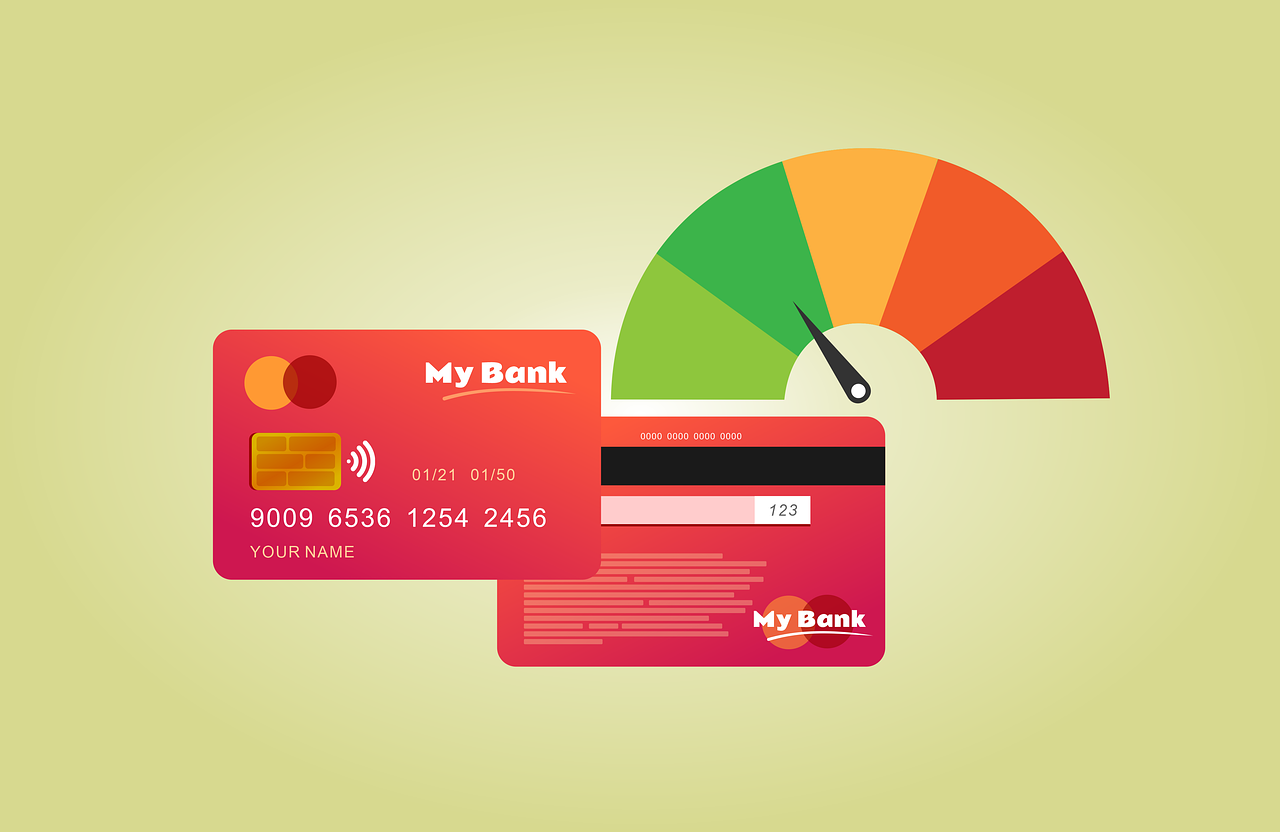

Understanding the Impact of Credit Scores on Insurance Premiums
Your credit score holds significant sway over your insurance premiums. Insurers frequently use credit history as a way to gauge the risk profile of applicants. A higher credit score generally indicates a lower risk for the insurers, which often translates to lower premiums. If your credit score is higher, you might benefit from reduced rates, while those with lower scores may face higher costs. For example, a recent study revealed that individuals with excellent credit could pay around 30% less in premiums compared to those with poor credit scores. The rationale lies in statistical data, as individuals with poor credit are statistically more likely to file claims. Consequently, insurers position their pricing strategies based on these risk indicators. Additionally, maintaining good credit requires consistent payment history, which can further enhance an individual’s insurance options and rates. Therefore, monitoring and improving credit scores is crucial for policyholders seeking financial savings. Moreover, understanding your credit report could aid in identifying areas for improvement, ultimately influencing insurance rates positively.
Credit Scores Defined
A credit score is a numerical representation of your creditworthiness. Typically, scores range from 300 to 850, with higher numbers indicating better credit. Insurers often consider three primary factors when evaluating scores: payment history, amounts owed, and length of credit history. Payment history is weighted most heavily, reflecting whether you’ve paid bills on time. Amounts owed consider how much debt you have compared to your credit limits. Length of credit history gauges how long you’ve maintained credit accounts, which reflects your experience in managing credit. Insurers believe that individuals with higher scores are better at managing their financial obligations. Consequently, they may offer more favorable insurance rates to these individuals. To manage your scores effectively, regularly check your credit reports for errors and make timely payments. Additionally, it’s prudent to maintain low credit utilization ratios to enhance your credit standing. Ultimately, understanding these components can equip you with the knowledge needed to improve your insurance rates through better credit management.
When applying for insurance, know that your credit score can dramatically affect your premiums. Insurers employ a practice known as credit scoring, which involves analyzing your credit report. Your credit report provides insight into your financial responsibilities, including outstanding debts and repayment patterns. As mentioned, insurers consider this information to assess the risk associated with providing coverage. Notably, some states restrict insurers from using credit scores to determine premiums. However, nationwide trends indicate that the majority use them as a significant factor. If your credit score falls within acceptable ranges, you may unlock potential savings on your premiums. Conversely, a low score raises the likelihood of more considerable fees, underlining the necessity of maintaining good credit for lower insurance costs. To improve your situation, start by managing existing debt and ensuring timely bill payments. Moreover, it is advisable to avoid accumulating new debts shortly before applying for insurance. This demonstrates fiscal responsibility to insurers and can lead to better rates overall. Engaging in financial literacy and credit education further supports personal finance management and optimal insurance decisions.
Benefits of a Good Credit Score
Having a strong credit score comes with numerous advantages, particularly concerning insurance premiums. First, as we summarized, a higher score usually means lower rates, which can lead to significant savings over time. Furthermore, individuals with good credit scores often receive offers for better coverage options and more favorable terms. Lenders and insurers might extend additional perks, including flexible payment plans and lower deductibles. A solid credit history reflects reliability, making insurers more willing to offer competitive rates. Additionally, maintaining a good score can simplify your overall financial landscape. It opens doors to new credit opportunities, which can enhance your insurance qualifications further. Besides, good credit fosters positive relationships with financial institutions, making them more likely to assist you in emergencies or when seeking additional coverage. Not only can a better credit score lower premiums, but it can also pave the way for greater financial stability. Therefore, actively working to maintain and improve your credit can have ripple effects throughout your financial life, particularly in areas such as insurance that rely heavily on credit metrics.
Building and maintaining a robust credit score isn’t instantaneous, but the long-term benefits are well worth the effort. One effective strategy involves ensuring all bills are paid on time, as this plays a crucial role in building a positive payment history. Setting up reminders or automatic payments can significantly aid in maintaining this consistency, mitigating risks associated with missed payments. Secondly, consider limiting the number of credit inquiries you make. Each hard inquiry can impact your credit score temporarily, so try to space out applications. Furthermore, it’s wise to keep credit utilization low. Ideally, you should use no more than 30% of your available credit. Paying down existing debts and being frugal with new expenditures can significantly improve your credit standing over time. Monitoring your credit report allows you to quickly identify inaccuracies or fraudulent activities, which could adversely affect your score. Regularly reviewing credit information not only helps maintain accuracy but also equips you to contest errors promptly should they arise. In turn, this proactive approach enhances your credit profile to secure lower insurance premiums.
Insurance Companies and Your Credit Score
It’s essential to understand how different insurance companies evaluate credit scores. Not all companies weigh credit history the same way, leading to varying premiums across providers. Some insurers may place substantial emphasis on credit scores, while others might prioritize other factors. Therefore, it is beneficial to shop around for insurance quotes and evaluate what impacts your premiums most significantly. Requesting quotes from multiple insurers gives insight into how credit influences your cost and options. Additionally, you may wish to engage with an insurance agent who comprehensively understands the nuances of credit evaluations. They can offer personalized advice on improving your standing or selecting coverage that best meets your needs. Moreover, some companies provide tips or resources on how to enhance your credit profile. Being informed will empower you to make better decisions concerning insurance and potentially reduce costs. Furthermore, fostering a good relationship with your insurer means they might consider your overall financial behavior. The overall goal is to find sustainable ways to minimize rates while ensuring you still have adequate coverage choices.
Lastly, addressing future financial planning is crucial when considering the implications of credit scores on insurance premiums. As credit requirements evolve, staying informed about changes in regulations and how they impact premium calculations is important. Anticipate adjustments to credit score calculations or how insurers might weigh your financial responsibilities in the future. This awareness helps you make timely choices to uphold a favorable credit score that maintains low insurance costs. Preparing for unforeseen events that could affect your credit score is equally vital. Life changes such as job loss, major purchases, or medical emergencies can disrupt financial stability. Developing a robust financial safety net is essential to protect your credit standing during turbulent times. Additionally, consider financial education as ongoing personal development, as knowledge can directly influence your insurance costs. Armed with this insight, policyholders can better navigate the complexities of the insurance market. Ultimately, managing your credit proactively serves not only to lower insurance premiums but also to build a more secure financial future.
Understanding the relationship between credit scores and insurance premiums is vital for informed decision-making.