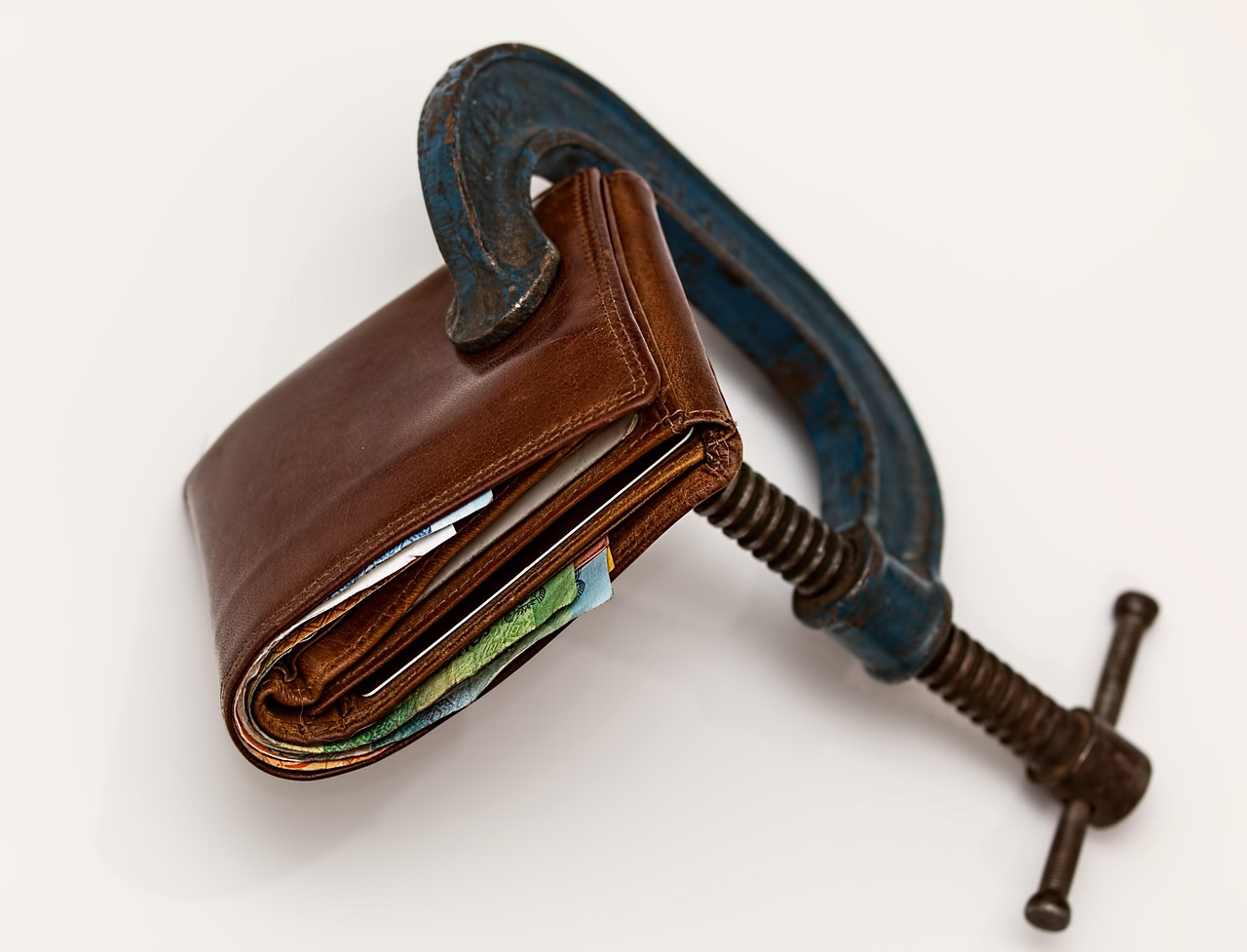

Consumer Credit During Periods of Economic Uncertainty
Consumer credit is a significant component of the economy, influencing spending patterns during various economic fluctuations. When economic uncertainty looms, consumers often adjust their credit behaviors. Unemployment rates, inflation, and economic forecasts can substantially affect how much credit is used. Individuals may tend to use credit for essential needs when they feel their financial stability is threatened. Businesses also vary their lending practices as a response to economic conditions. Financial institutions may tighten lending criteria, leading to fewer loans granted. This can impact consumer confidence, as potential borrowers may find it harder to access necessary credit. Therefore, understanding shifts in consumer credit during these times is crucial for policymakers and economic analysts. Monitoring the rates of credit availability can offer insights into overall consumer sentiment and future economic performance. Additionally, economic uncertainties can prompt consumers to shift from credit cards to more stable forms of credit, like personal loans. As conditions change, the long-term outlook for consumer credit can be complicated, with both positive and negative effects on spending and savings behavior.
Impact of Economic Factors on Consumer Credit
Various economic factors directly influence consumer credit trends. High unemployment rates, for instance, often lead to a rise in credit card usage as individuals rely on borrowing to manage daily expenses. This reliance can signal both financial distress and an attempt to maintain living standards amidst job losses. Conversely, during economic upswings, consumers may feel more confident about their financial future, leading to increased credit uptake for discretionary spending. Furthermore, interest rates play a crucial role. In times of low-interest rates, borrowing tends to rise, as consumers are incentivized to take loans to capitalize on favorable lending conditions. Inflation also significantly impacts consumer credit, as rising prices may necessitate borrowing for everyday purchases, thus increasing credit card debt. According to various economic studies, behavior patterns during these fluctuations often reflect broader consumer confidence; when consumers feel insecure about the economy, credit usage may surge in an attempt to cope with financial pressures. The cyclical nature of economic conditions can create dynamic shifts in consumer credit demand, requiring continuous monitoring and analysis.
One critical aspect of consumer credit during economic uncertainty is the psychological effect on borrowers. Fear and anxiety can lead to increased caution among consumers, who may refrain from taking on new debts or making significant purchases. This behavior contributes to decreased consumer spending, which in turn affects businesses and the wider economy. Companies may experience reduced sales and heightened concerns about cash flow, prompting them to adjust their lending criteria. Interestingly, some segments may respond differently; for instance, younger consumers who are still building their credit histories may be more willing to take risks with consumer credit, viewing borrowing as a pathway to financial stability. In contrast, older generations, often more financially cautious, may avoid new credit altogether. The interplay between consumer confidence and credit availability can create diverse economic outcomes, with some sectors thriving amidst uncertainty while others struggle to maintain stable operations. Understanding these divergent behaviors is crucial for businesses and policymakers to devise effective strategies in addressing the challenges posed by economic fluctuations.
Regulatory Changes and Their Influence
During periods of economic uncertainty, regulatory changes can have profound impacts on consumer credit. Governments and financial regulatory agencies often enact measures to protect consumers and stabilize the economy. For instance, stricter lending regulations may be introduced to prevent excessive borrowing in an unstable environment. These measures can restrict access to credit for some consumers, as lenders may become more cautious in their underwriting processes. Additionally, initiatives aimed at reducing interest rates may be implemented to stimulate borrowing. As a result, consumers may respond to these changes by adjusting their spending habits. Regulatory changes may also prompt financial institutions to innovate with new credit products designed to align with evolving consumer needs. For example, some lenders could introduce more flexible repayment options to accommodate borrowers facing uncertainties. Yet, while such regulations aim to protect consumers, they can also create unintended consequences like credit markets drying up. Thus, the relationship between regulation and consumer credit trends during uncertain times is complex, necessitating thorough analysis to understand the broader implications on economic health.
Consumer attitudes toward credit significantly shift in response to economic news and data during uncertain periods. For example, harsh media coverage of economic downturns can spur consumers to become more risk-averse, leading to decreased credit card usage and more stringent budgeting practices. This shift often reflects a desire to curb spending and rebuild savings. Additionally, news of impending recessions can cause consumers to delay major purchases, choosing instead to maintain a financial buffer. Surveys often show that consumers are more likely to prioritize saving over spending when confidence levels dip. This reluctance to engage with credit can slow economic recovery, creating a paradox where consumers wish to avoid debt but simultaneously hinder growth by reducing spending. Financial education campaigns during such times can help empower consumers to make informed decisions about credit use. Addressing fears responsibly while encouraging prudent borrowing can mitigate some negative effects of economic uncertainty. Thus, understanding consumer psychology and behaviors regarding credit is vital for financial institutions and policymakers seeking to foster financial health during challenging economic conditions.
Forecasting Future Trends in Consumer Credit
In the wake of economic uncertainty, analyzing consumer credit trends is essential for forecasting future behaviors. Analysts often look at historical data to identify patterns that may repeat in the face of new crises. For instance, previous recessions showed that while initial credit card debt may rise, consumers often eventually shift towards paying down debts. This gradual shift can signal a turn towards greater financial discipline as consumers adapt to economic realities. Additionally, the rapid growth of technology influences consumer credit trends. Conversations surrounding digital credit options, such as buy-now-pay-later services, are becoming more prevalent. These options allow consumers faced with uncertainty to make purchases while deferring payments, somewhat easing immediate financial pressure. However, they also raise concerns about potential overextension of credit among vulnerable consumers. Future regulations and consumer protection laws will likely evolve in response to these new forms of credit arrangements. Understanding how consumers balance innovation with traditional credit sources will be essential for creating robust economic forecasts that consider both risks and opportunities in changing environments.
The long-term effects of economic uncertainty on consumer credit are still being examined by economists and financial analysts. While short-term impacts may be evident through increased borrowing or spending adjustments, the lasting changes in consumer behavior often define credit dynamics over time. Some studies suggest consumers may develop a more cautious approach to borrowing following crises, leading to sustained reductions in overall debt levels. Moreover, as digital payment methods gain traction, the overall landscape of consumer credit continues to evolve. The emergence of alternative credit scoring models, which consider non-traditional data points, is also reshaping credit access. As consumers navigate economic uncertainties, their preferences for various credit options reflect deeper changes in financial literacy and accessibility. Moreover, socio-economic factors such as income disparities and demographic shifts will shape future consumer credit trends. Those with lower incomes may become increasingly reliant on credit to meet basic needs, while affluent consumers may adopt more sophisticated credit strategies. Thus, close monitoring of these evolving trends will be crucial to understanding the future state of consumer credit in various economic contexts.
In conclusion, consumer credit during periods of economic uncertainty reveals much about broader societal trends and personal behavior. The interconnectedness of financial health and consumer behavior underscores the importance of continuous monitoring and responsive policies to mitigate challenges. Understanding the psychological and systemic factors that influence credit use can help stakeholders develop strategies that not only guide consumers towards better financial decisions but also support overall economic stability. Financial institutions must adapt to changing needs, providing products and services that align with consumers’ evolving perceptions of credit risk. Moreover, as economic conditions continue to shift, education about responsible credit use becomes more critical than ever. As consumers face new challenges, fostering an environment that encourages informed borrowing practices is vital for their long-term well-being. By embracing innovation in lending techniques while remaining cognizant of overarching economic realities, a better financial future can emerge. Overall, the dynamics of consumer credit during uncertain times serve as an essential economic indicator, signaling the health of the economy through the lens of consumer behavior.